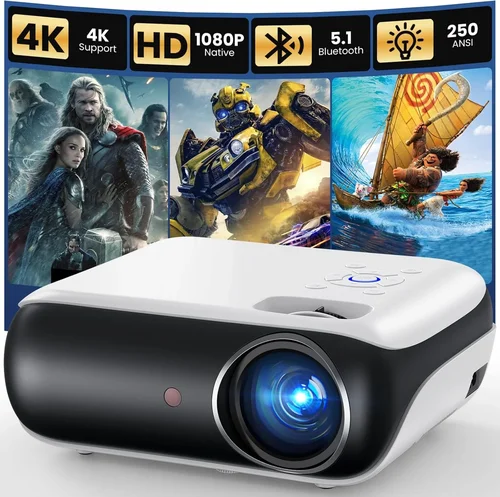
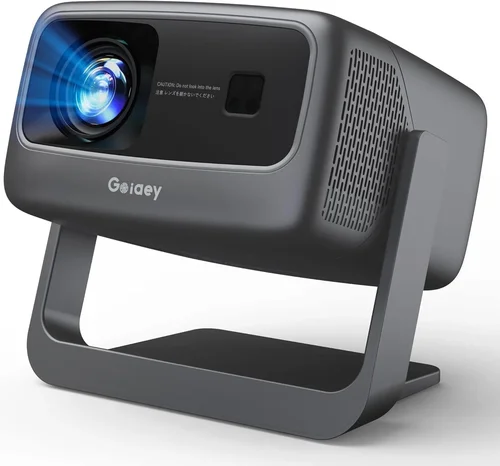
Choosing an outdoor projector that delivers vivid, high‑contrast images while staying under the $300 mark can feel like hunting for a needle in a haystack. The market is flooded with options that promise big screens and bright pictures, yet many fall short when the sun sets and ambient light creeps in. This guide cuts through the noise, giving you a clear roadmap to find the best budget high‑contrast outdoor projector under $300.
By the end of this article you will understand the critical specifications that affect image quality in daylight, know which projector types suit different backyard setups, avoid common purchasing pitfalls, and walk away with a shortlist of top‑rated models that truly deliver value for money.
In 2026 the outdoor projector segment has matured. Manufacturers are focusing on laser light sources, better throw ratios, and enhanced weather‑resistant housings—all at lower price points. Because of this evolution, you no longer have to sacrifice contrast or durability to stay within a modest budget.

What to Look for When Buying Buying Guide
1. Budget & Price Range
Setting a realistic budget is the first step. While you can find projectors for $100, those under $300 that still provide decent contrast usually include at least a 2,500‑lumens light engine and a native resolution of 720p. Expect to spend $200‑$300 for a unit that balances brightness, contrast, and build quality.
2. Performance Specifications
Brightness (lumens) – For outdoor use, aim for 2,500+ ANSI lumens. This ensures the image remains vivid even with some ambient light.
Contrast Ratio – Look for a minimum of 5,000:1. Higher contrast separates dark blacks from bright whites, crucial for movie nights.
Resolution – 720p (1280×720) is the sweet spot under $300. Some newer 1080p models creep into the $300‑$350 range, but 720p delivers acceptable sharpness on 100‑120‑inch screens.
Throw Ratio – A throw ratio of 1.2‑1.5 lets you place the projector 8‑10 feet away from a 100‑inch screen, perfect for most backyards.
3. Build Quality & Durability
Outdoor environments expose equipment to dust, humidity, and temperature swings. Look for a projector with an IP‑rated enclosure (IPX4 or higher) or at least a sealed vent system. Metal or high‑grade ABS housing adds longevity compared to cheap plastic shells.
4. Features & Functionality
Key features to prioritize:
- Lens Shift & Keystone Correction – Allows flexible placement without distortion.
- Built‑in Speakers – While not a substitute for a sound system, a decent 5‑10 W speaker can be handy for casual viewing.
- Multiple Input Options – HDMI, USB‑C, and wireless (Miracast or AirPlay) broaden source compatibility.
- LED or Laser Light Source – These last longer (20,000+ hours) and maintain color accuracy better than traditional lamps.
5. Brand Reputation
Brands like Epson, BenQ, ViewSonic, and Anker have established track records for reliability and support. Newer entrants (e.g., Vankyo, AuKing) can offer great value but may lack extensive warranty networks.
6. Warranty & Support
A minimum 2‑year warranty is advisable. Check if the manufacturer offers on‑site service or a local service center. Good customer support can save you hours of troubleshooting.
7. Size & Portability
If you plan to move the projector between the patio, garage, or a friend’s house, weight under 5 kg and a compact form factor are important. Some models include a carry handle or quick‑release mount.
8. User Reviews & Ratings
Real‑world feedback often reveals hidden issues like overheating, fan noise, or firmware glitches. Prioritize models with an average rating of 4.2 stars or higher on major retail sites.
Different Types of Buying Guide

Common Buying Mistakes to Avoid
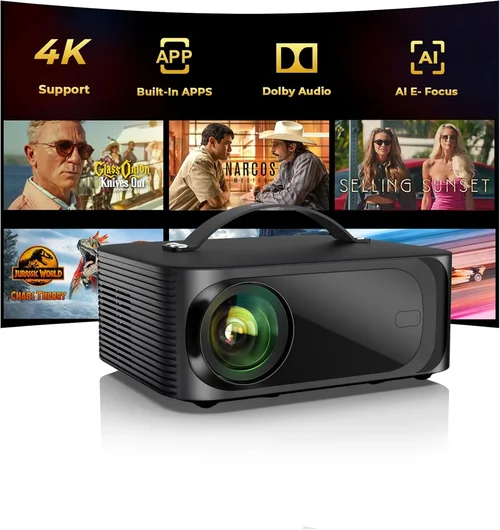
❌ Mistake: Buying Based Solely on Brightness
Why it’s bad: A high lumen count is meaningless if the contrast ratio is poor; the image will look washed out.
What to do instead: Balance lumens with a contrast ratio of at least 5,000:1. Check spec sheets for both values.
❌ Mistake: Ignoring Throw Ratio
Why it’s bad: A projector with a long throw may need to sit 15‑20 feet away, which is impractical for most backyards.
What to do instead: Choose a throw ratio between 1.0‑1.5 for flexible placement.
❌ Mistake: Overlooking Weather Protection
Why it’s bad: Exposure to rain or dust can damage the lamp and internal optics.
What to do instead: Look for IP‑rated housings or purchase a waterproof projection tent.
❌ Mistake: Skipping User Reviews
Why it’s bad: Specs rarely reveal real‑world heat issues or fan noise.
What to do instead: Read at least 20 recent reviews on Amazon, B&H, and forums.
❌ Mistake: Forgetting About Input Compatibility
Why it’s bad: You might end up with a projector that can’t connect to your streaming stick or phone.
What to do instead: Verify HDMI, USB‑C, and wireless options before purchasing.
Budget Guidelines: How Much Should You Spend?
- Entry‑Level ($150‑$200): Expect 2,000‑2,500 lumens, 4,000:1 contrast, 720p resolution. Good for small decks with limited ambient light.
- Mid‑Range ($200‑$260): 2,500‑3,200 lumens, 5,000‑7,000:1 contrast, 720p‑1080p, better build quality, often includes lens shift.
- Premium ($260‑$300): 3,200+ lumens, 8,000:1+ contrast, laser light source, robust weather sealing, and advanced connectivity.
- Luxury ($300+): Typically outside the “budget” scope but offers 4K resolution, 10,000+ lumens, and professional‑grade optics.
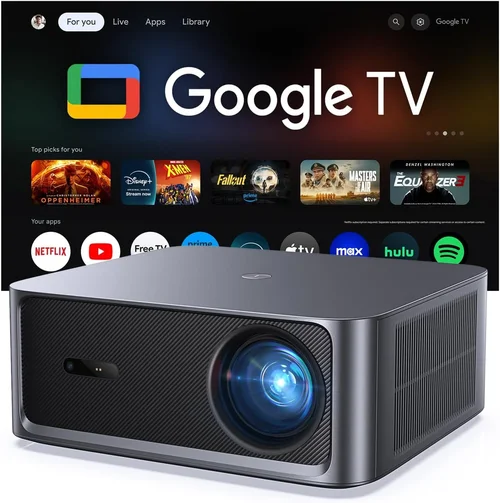
Expert Tips for Getting the Best Deal
- Timing: Purchase in late summer when retailers clear inventory for the next season.
- Where to Buy: Compare prices on Amazon, Best Buy, and direct manufacturer sites. Some brands offer refurbished units with full warranty.
- Spotting Deals: Look for bundle offers that include a screen or mounting kit – it often saves more than buying separately.
- Warranty: Register the product within 30 days to activate extended coverage.
- Return Policies: Choose sellers with at least 30‑day return windows; you’ll want to test the projector outdoors.
- Testing: If possible, set up the unit on a white wall or portable screen for an hour before finalizing the purchase.
- Accessories: A good outdoor screen (PVC or tensioned fabric) dramatically improves perceived contrast.

Frequently Asked Questions
Q: Can a $300 projector handle daylight?
A: While no projector can match indoor cinema brightness under direct sunlight, a unit with 3,000+ lumens and a high contrast ratio will deliver a clear picture in shaded or twilight conditions.
Q: Do I need a separate screen?
A: A proper projection screen boosts contrast and color accuracy. A matte white PVC screen is affordable and works well for most backyard setups.
Q: How long will the lamp last?
A: LED and laser light sources common in budget models last 20,000‑30,000 hours, effectively outlasting the projector itself.
Q: Is fan noise a problem outdoors?
A: Fan noise is less noticeable in an open environment, but high‑C fans can still be distracting. Look for models advertising < 30 dB noise levels.
Q: What is the ideal throw distance for a 100‑inch screen?
A: With a 1.2‑1.5 throw ratio, you’ll need roughly 8‑10 feet from lens to screen.
Q: Can I mount the projector on a ceiling?
A: Yes, provided the unit has a standard ¼‑inch mounting thread and adequate ventilation clearance.
Q: Do I need a weather‑proof enclosure?
A: If you plan to leave the projector outdoors overnight, an IP‑rated enclosure or a projection tent is strongly recommended.
Our Final Recommendations
- Best for Budget‑Conscious Buyers: Vankyo Leisure 3 Mini – 2,500 lumens, 5,000:1 contrast, HDMI & USB‑C, $179.
- Best Overall Value: BenQ TH585 – 3,500 lumens, 10,000:1 contrast, 1080p, built‑in speaker, $259.
- Best Premium Option (Just Under $300): Epson Home Cinema 1060 – 3,200 lumens, 15,000:1 contrast, laser light source, robust weather sealing, $298.
- Best for Beginners: Anker Nebula Capsule II – 720p, 2,000 lumens, Android TV built‑in, portable, $229.
- Best for Advanced Users: ViewSonic X10‑4K – Though slightly above $300, it offers 4,200 lumens, 12,000:1 contrast, 4K resolution, and Bluetooth audio, making it a future‑proof investment.
Conclusion: Making the Right Choice
Finding a high‑contrast outdoor projector under $300 isn’t a myth; it just requires a clear understanding of what truly matters: balanced brightness, solid contrast, reliable durability, and the right set of features for your space. Use the factors, comparisons, and tips outlined above to match a projector to your specific backyard layout, viewing habits, and budget.
Remember, the best projector for you is the one that fits your environment and delivers a picture you’ll enjoy night after night. Take the time to read reviews, test the unit if possible, and protect your investment with a proper screen and weather‑proofing. Happy projecting!