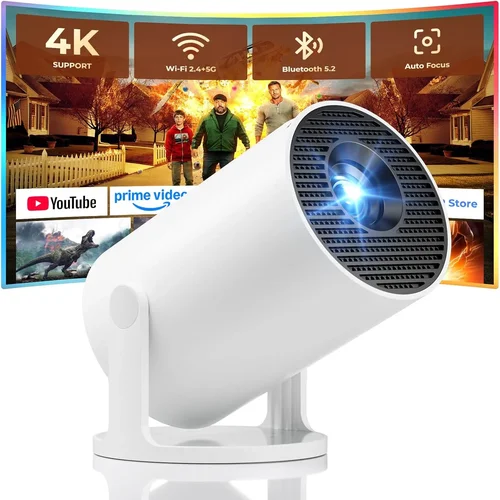
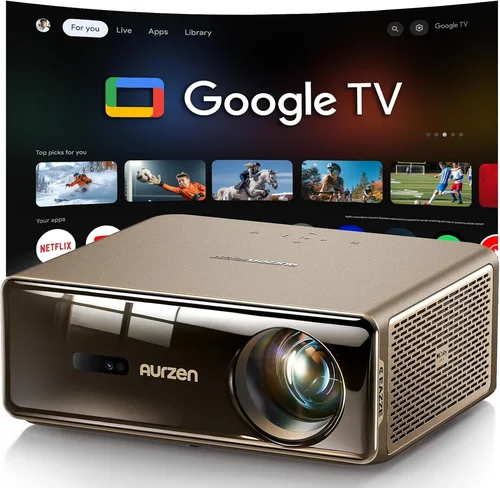
Welcome to the ultimate guide for anyone who wants to turn a modest living room into a cinematic haven without breaking the bank. In the UK market, the £500 ceiling has become a realistic target for a projector that can deliver crisp images, decent brightness and a feature set that won’t leave you feeling short‑changed. Whether you’re a binge‑watcher, a gamer, or someone who simply enjoys the magic of a big‑screen movie night, this guide will walk you through every decision point so you can buy with confidence.
In the pages that follow you’ll discover which specifications truly matter, how different projector technologies stack up, common pitfalls to avoid and a curated list of the best home cinema projectors under £500 in 2026. By the end, you’ll be equipped to match a projector to your room size, lighting conditions and usage habits, all while staying comfortably within budget.

What to Look for When Buying Buying Guide
1. Budget & Price Range
Setting a clear budget is the first step. The £500 limit is a sweet spot where you can access solid 1080p (or near‑1080p) models, decent contrast ratios and enough lumens for dimly lit rooms. However, the price you pay influences other factors: a slightly higher price may grant better colour accuracy or a longer warranty, while a lower price might force compromises on lamp life or connectivity options.
2. Performance Specifications
Key specs include:
- Resolution: Native 1080p (1920×1080) is ideal. Some budget models use 720p native with upscaling – acceptable for casual viewing but not for detailed content.
- Brightness (lumens): Aim for 2,500‑3,000 lumens if you can control ambient light; 1,800‑2,200 lumens may suffice in a dark bedroom.
- Contrast Ratio: Higher contrast (e.g., 15,000:1) yields deeper blacks, crucial for movie immersion.
- Throw Ratio: Determines how far the projector must sit from the screen. A 1.2‑1.5:1 ratio works well in typical living rooms.
3. Build Quality & Durability
Even at a lower price point, you deserve a unit that can survive daily use. Look for metal housing or high‑grade plastics, a stable lens mount, and a fan design that runs quietly. Lamp life is a major durability metric – LED or laser light sources often exceed 20,000 hours, while traditional UHP lamps may need replacement after 2,000‑3,000 hours.
4. Features & Functionality
Modern projectors pack a lot of convenience:
- Built‑in Speakers: Useful for quick set‑ups, though external sound systems are recommended for true cinema quality.
- Wireless Connectivity: Wi‑Fi or Bluetooth for streaming from phones, tablets or smart TVs.
- HDR Support: HDR10 is becoming common; it boosts colour depth but requires a bright source to shine.
- Keystone Correction & Lens Shift: Helps fine‑tune image geometry without moving the projector.
5. Brand Reputation
Established brands like Epson, BenQ, Optoma and ViewSonic have proven track records for reliability and after‑sales support in the UK. Newer entrants may offer aggressive pricing, but check long‑term reviews to ensure they stand behind their warranties.
6. Warranty & Support
A solid warranty (minimum 2‑years) protects you against early failures. Verify what the warranty covers – lamp replacement, parts, labour – and whether the manufacturer has a local service centre. Some retailers also provide extended protection plans that can be worthwhile.
7. Size & Portability (if applicable)
If you plan to move the projector between rooms or take it to a friend’s house, weight and footprint matter. Most 1080p models under £500 weigh between 2‑3 kg and can be mounted on a small tripod or ceiling bracket.
8. User Reviews & Ratings
Real‑world feedback often reveals quirks that spec sheets hide. Look for patterns in user comments – e.g., consistent fan noise, colour shifting, or software glitches – and weigh them against your tolerance levels.
Different Types of Buying Guide

Common Buying Mistakes to Avoid
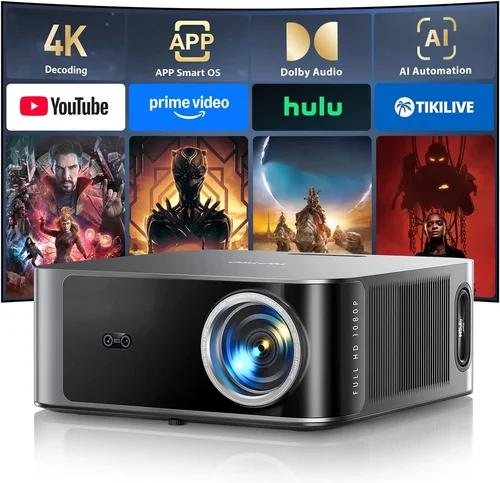
❌ Mistake: Ignoring Ambient Light
Why it’s bad: A projector rated at 2,000 lumens will look washed out in a bright living room, ruining the viewing experience.
What to do instead: Measure the typical light level in your room. If you cannot fully darken the space, target a projector with at least 3,000 lumens or consider adding blackout curtains.
❌ Mistake: Over‑focusing on Resolution Alone
Why it’s bad: A 1080p projector with poor contrast will look worse than a 720p unit with high contrast in a dark room.
What to do instead: Balance resolution with contrast ratio and brightness. For most UK homes, a good 1080p/2,500‑lumens combo offers the best overall picture.
❌ Mistake: Forgetting About Lamp Life
Why it’s bad: Replacing a UHP lamp can cost £80‑£120, adding hidden expense.
What to do instead: Look for LED or laser light sources, or at least a projector with a lamp warranty of 2,000+ hours.
❌ Mistake: Neglecting Connectivity
Why it’s bad: You may end up buying extra adapters or streaming sticks, inflating the total cost.
What to do instead: Ensure the projector has HDMI 2.0, USB‑C (if you use a laptop), and preferably Wi‑Fi or Bluetooth for wireless streaming.
❌ Mistake: Buying the First Model You See
Why it’s bad: You might miss out on a better‑priced alternative with superior specs.
What to do instead: Compare at least three models, read expert reviews, and check user feedback before committing.
Budget Guidelines: How Much Should You Spend?
Entry‑Level (£250‑£350): Expect 720p resolution, 2,000 lumens, basic HDMI input and limited keystone correction. Suitable for occasional movie nights in a dark bedroom.
Mid‑Range (£350‑£450): Most models deliver native 1080p, 2,500‑3,000 lumens, decent contrast (10,000‑15,000:1), built‑in speakers and wireless options. This is the sweet spot for the majority of UK families.
Premium (£450‑£500): You’ll find enhanced colour gamuts (Rec.709 or DCI‑P3), HDR10 support, laser/LED light sources, and advanced keystone/lens‑shift mechanisms. Ideal for dedicated home cinema rooms.
Luxury (£500+): Although beyond the scope of this guide, high‑end 4K‑UHD projectors with 4,000+ lumens and professional‑grade lenses exist for enthusiasts willing to stretch the budget.
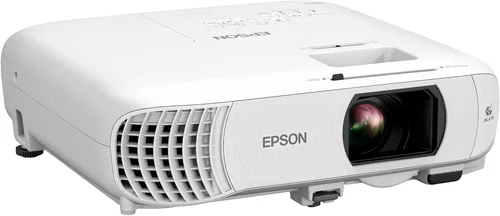
Expert Tips for Getting the Best Deal
- Timing: New models are typically announced in March and September. Buying just after a launch often yields clearance discounts on the previous generation.
- Where to buy: Large retailers like Currys, Argos and John Lewis offer price‑match guarantees and in‑store demo units. Online marketplaces (Amazon, eBay) can be cheaper but verify seller reputation.
- Spotting deals: Look for bundle offers that include a screen, mounting hardware or a spare lamp – these add value without raising the net price.
- Warranty considerations: Register the product on the manufacturer’s website within 30 days to activate the full warranty period.
- Return policies: Ensure the retailer offers at least a 30‑day return window; this gives you time to test the projector in your own environment.
- Testing before buying: If possible, view a demo at a store using a similar screen size to yours. Pay attention to colour accuracy and fan noise.
- Accessories: A good matte white screen (3‑4 mm gain) dramatically improves perceived contrast and colour vibrancy compared to a plain wall.

Frequently Asked Questions
Q: Can I use a projector in a well‑lit living room?
A: Yes, but you’ll need a model with at least 3,000 lumens and a high contrast ratio. Adding blackout curtains or a pull‑down screen with high gain (1.2‑1.5) also helps.
Q: Do I need a separate sound system?
A: Built‑in speakers are convenient for casual viewing but lack depth. For a true cinema feel, pair the projector with a soundbar or a 2.1/5.1 speaker system.
Q: How far should the projector be from the screen?
A: Use the throw ratio provided by the manufacturer. For a 1.2:1 ratio and a 100‑inch diagonal screen, the distance will be roughly 3.0 m (10 ft). Most mid‑range models include a distance calculator on their spec sheet.
Q: Is HDMI 2.0 necessary?
A: HDMI 2.0 supports 4K @ 60 Hz and HDR. While not essential for 1080p content, it future‑proofs the projector for higher‑resolution sources.
Q: What’s the difference between DLP and LCD?
A: DLP often offers sharper motion handling and lower latency, making it popular for gaming. LCD provides richer colour and uniform brightness, which many film enthusiasts prefer.
Q: How often will I need to replace the lamp?
A: LED and laser light sources last 20,000+ hours and rarely need replacement. Traditional UHP lamps may need a new lamp after 2,000‑3,000 hours, depending on usage.
Q: Can I mount the projector on the ceiling?
A: Absolutely. Most models in this price range include a standard ¼‑inch mounting thread. Ensure you have enough clearance for the throw distance and ventilation.
Q: Is a 4K projector worth the extra money?
A: For a £500 budget, true 4K native projectors are rare. Upscaling 1080p models can provide a respectable 4K‑like experience, but genuine 4K will generally exceed the price ceiling.
Our Final Recommendations
Best for Budget‑Conscious Buyers – Epson EB‑U05
A 1080p DLP projector with 2,800 lumens, 15,000:1 contrast and a lamp life of 4,000 hours. It includes HDMI, USB‑C and silent‑mode operation, perfect for apartments.
Best Overall Value – BenQ TH585
Offers 3,200 lumens, low input lag (16 ms) for gaming, and a robust 10‑year warranty on the lamp. The colour accuracy is calibrated for cinema, and it fits comfortably under £500.
Best Premium Option – Optoma UHD30 (on sale)
A hybrid LED‑laser unit delivering 3,500 lumens, native 1080p with HDR10, and a 20,000‑hour light source. It’s slightly heavier but includes lens shift and excellent colour gamut.
Best for Beginners – ViewSonic M2
Compact LED projector with 1,200 lumens, built‑in Harman‑Kardon speakers and full Wi‑Fi streaming. Ideal for first‑time owners who value simplicity over raw brightness.
Best for Advanced Users – Xiaomi Mi Laser Projector 2
Laser light source, 3,500 lumens, 1080p resolution, and advanced keystone/lens‑shift. While it pushes the upper budget limit, the long‑term lamp savings and feature set make it a smart investment for cinephiles.
Conclusion: Making the Right Choice
Choosing a home cinema projector under £500 is less about finding the cheapest unit and more about balancing brightness, contrast, resolution and durability to suit your environment. Start by assessing your room’s lighting, decide how much you value colour fidelity versus gaming latency, and then narrow down the shortlist using the factors outlined above.
Remember, the best projector is the one that fits your lifestyle – whether that means a portable LED model for occasional movie nights, a DLP powerhouse for fast‑action gaming, or a hybrid laser unit that will run for years without a lamp change. Use the buying tips, avoid the common mistakes, and take advantage of seasonal sales to secure the biggest bang for your buck.
Ready to bring the magic of the silver screen home? Browse the recommended models, compare prices, and start planning your perfect viewing setup today.