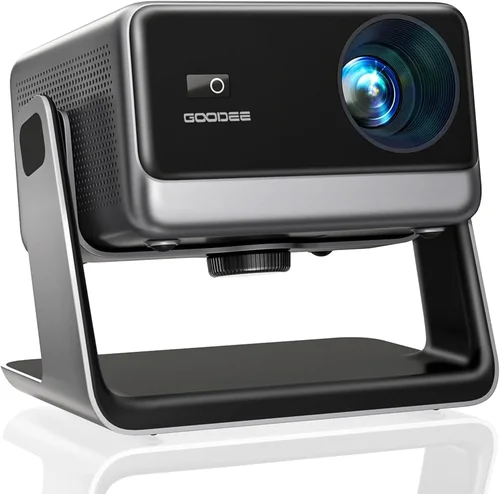
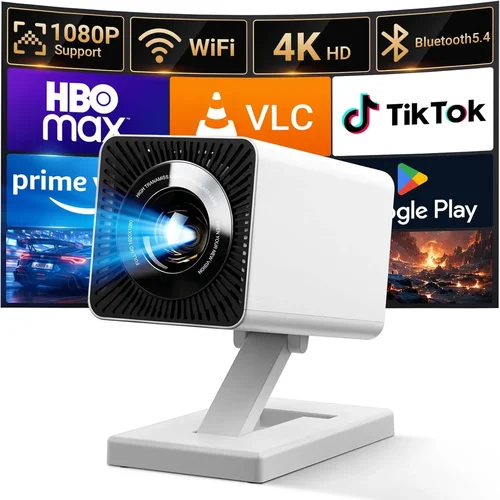
If you’ve ever dreamed of turning your living room into a mini‑theater without breaking the bank, you’re not alone. In 2026 the home‑projector market is bursting with options that deliver cinema‑grade brightness, crisp 4K resolution, and smart‑TV features—all for under $5,000. This guide cuts through the noise, helping you understand what truly matters, avoid common pitfalls, and pick the projector that fits your space, budget, and viewing habits.
By the end of this article you’ll know which specifications to prioritize, how the major projector families differ, and exactly how much you should expect to spend for the performance level you need. Whether you’re a movie buff, a casual gamer, or a remote‑working professional who wants a massive screen for video calls, we’ve got you covered.

What to Look for When Buying Buying Guide
1. Budget & Price Range
Setting a realistic budget is the first step. While “under $5,000” gives you a generous ceiling, most high‑quality home projectors sit comfortably between $1,200 and $3,500. Knowing your ceiling helps you narrow down the feature set without chasing every premium upgrade that may never be used.
2. Performance Specifications
Resolution – 1080p is still common, but 4K (UHD) has become the sweet spot for true‑to‑life detail. Brightness measured in ANSI lumens is critical; aim for at least 2,500 lumens for rooms with some ambient light, and 1,500‑2,000 lumens if you can control lighting. Contrast Ratio determines depth of blacks; a ratio of 10,000:1 or higher is ideal for dark‑room viewing.
3. Build Quality & Durability
Projectors with metal housings and sealed optics tend to outlast plastic‑cased units. Look for models that advertise a long lamp or laser lifespan—ideally 20,000+ hours for lasers and 5,000+ hours for lamps. A sturdy chassis also reduces vibration, which can affect image stability.
4. Features & Functionality
Modern projectors double as smart hubs. Integrated Wi‑Fi, Bluetooth audio, and streaming apps (Netflix, Amazon Prime, YouTube) add convenience. Consider HDMI 2.1 ports for 4K @ 120 Hz gaming, USB‑C for quick media playback, and built‑in speakers if you don’t plan on a separate sound system.
5. Brand Reputation
Brands like Epson, BenQ, Optoma, and LG have built trust through consistent performance and solid after‑sales support. Research each brand’s track record for firmware updates and community forums; a vibrant user base often translates into quicker fixes and useful tips.
6. Warranty & Support
A longer warranty (3‑5 years) can save you thousands if a component fails. Check whether the warranty covers the light source, and whether on‑site service is available in your region. Some manufacturers also offer extended service plans for an additional fee.
7. Size & Portability
If you plan to move the projector between rooms or take it outdoors, weight and form factor matter. Ultra‑short‑throw (UST) models sit just inches from the screen and are perfect for small spaces, while portable pico‑projectors excel for travel but often sacrifice brightness.
8. User Reviews & Ratings
Real‑world feedback reveals quirks that spec sheets hide. Look for consistent praise (or complaints) about fan noise, keystone correction, and color accuracy. A product with a high average rating and a large number of reviews is usually a safer bet.
Different Types of Buying Guide

Common Buying Mistakes to Avoid
❌ Mistake: Ignoring Ambient Light
Why it’s bad: A projector rated at 2,500 lumens will look impressive in a dark room but will appear washed out in a bright living area.
What to do instead: Measure the typical lighting conditions of your viewing space. If you cannot fully darken the room, target a minimum of 3,000 lumens and consider a high‑contrast ratio.
❌ Mistake: Over‑focusing on Resolution Alone
Why it’s bad: A 4K projector with low brightness and poor color accuracy will still deliver a subpar experience.
What to do instead: Balance resolution with brightness, contrast, and color gamut. For most home‑theater setups, a 1080p model with 3,000+ lumens can outperform a dim 4K unit.
❌ Mistake: Forgetting Throw Distance
Why it’s bad: Buying a standard‑throw projector for a tiny apartment forces you to place the unit far away, resulting in a tiny image.
What to do instead: Calculate the required throw distance using the manufacturer’s throw‑ratio chart. If space is limited, opt for an ultra‑short‑throw or a portable model.
❌ Mistake: Neglecting Audio Needs
Why it’s bad: Built‑in speakers are often underpowered, leading to a weak soundstage.
What to do instead: Budget for an external sound system—soundbar or AV receiver—especially if you want immersive surround sound.
❌ Mistake: Skipping Firmware Updates
Why it’s bad: Out‑of‑date firmware can cause compatibility issues with streaming apps or HDMI‑CEC functions.
What to do instead: Choose a brand that offers regular OTA updates and check the support page before final purchase.
Budget Guidelines: How Much Should You Spend?
- Entry‑Level ($800‑$1,200): Expect 1080p resolution, 2,000 lumens, and basic lamp technology. Ideal for occasional movie nights in a dark room.
- Mid‑Range ($1,200‑$2,500): 4K or enhanced 1080p, 2,500‑3,500 lumens, better contrast, and often laser or laser‑phosphor light sources. This tier suits most families.
- Premium ($2,500‑$4,500): True 4K UHD, 3,500+ lumens, HDR10+ support, ultra‑short‑throw options, and robust smart‑TV platforms. Perfect for dedicated home theaters.
- Luxury ($4,500+): Commercial‑grade laser projectors with 5,000+ lumens, 10,000:1+ contrast, and advanced networking. Overkill for most homes but excellent for cinephiles with a dedicated media room.
Expert Tips for Getting the Best Deal
- Timing: New models are announced at CES (January) and IFA (September). Prices on the previous generation typically drop 15‑25% shortly after.
- Where to Buy: Authorized retailers (Best Buy, B&H) provide easy returns and extended warranties. Online marketplaces can be cheaper but verify seller credibility.
- Bundle Savings: Look for bundles that include a screen, mounting kit, or HDMI cable—often cheaper than buying each item separately.
- Warranty Extensions: If you plan heavy usage (gaming, daily streaming), a paid extension covering the light source can be worthwhile.
- Return Policies: Ensure a minimum 30‑day return window; this gives you time to test the projector in your actual environment.
- Testing: Bring a laptop with a 4K test video to the store. Verify brightness, color accuracy, and fan noise on‑site.
- Negotiation: In‑store salespeople may match online prices or throw in a free screen if you ask.

Frequently Asked Questions
Q: Do I need a special screen for a projector under $5,000?
A: While a white wall works, a dedicated projector screen improves gain, contrast, and uniformity. For most users a 120‑inch 16:9 matte white screen offers the best value.
Q: Can I use a projector for gaming?
A: Yes, provided the projector supports low input lag (under 20 ms) and HDMI 2.1 for 4K @ 120 Hz. Models like the Optoma UHD50X are designed with gamers in mind.
Q: How far should I place my projector?
A: It depends on the throw ratio. A 2.0 throw ratio means you need 2 feet of distance for every foot of image width. Use the manufacturer’s calculator to plan.
Q: Is a laser projector worth the extra cost?
A: Laser light sources last longer (20,000‑30,000 hours) and maintain brightness over time, making them a smart investment if you plan to use the projector daily.
Q: Will a projector work with a ceiling mount?
A: Absolutely. Just ensure the mount can support the projector’s weight and provides adequate ventilation. Most mid‑range models are under 10 kg, which is easy to mount.
Q: What is HDR and do I need it?
A: HDR (High Dynamic Range) expands color and contrast. For a noticeable improvement, pair HDR‑capable projector with an HDR source (4K Blu‑ray, streaming service). It’s a nice‑to‑have, not a must‑have, for casual viewers.
Q: How loud are projector fans?
A: Fan noise varies from 20 dB (quiet) to 35 dB (noticeable). Look for models that list fan noise in dB; under 30 dB is generally acceptable for home cinema.
Our Final Recommendations
- Best for Budget‑Conscious Buyers: Epson Home Cinema 2150 – 2,500 lumens, 1080p, excellent color accuracy, and a price around $1,200.
- Best Overall Value: BenQ HT3550 – True 4K UHD, 2,000 lumens, HDR‑10, and a solid lamp life for $2,300.
- Best Premium Option: LG CineBeam HU85LA – Ultra‑short‑throw laser, 2,700 lumens, 4K, and built‑in smart TV platform at $4,200.
- Best for Beginners: Optoma HD146X – Simple setup, 3,600 lumens, 1080p, and a friendly price of $850.
- Best for Advanced Users: Sony VPL‑VW915ES – 4K SXRD, 2,500 lumens, 10,000:1 contrast, laser source, and extensive calibration options at $4,800.
Conclusion: Making the Right Choice
Choosing the best home projector under $5,000 boils down to matching your viewing environment, usage patterns, and budget. Prioritize brightness and contrast for lit rooms, resolution and HDR for cinema‑like detail, and consider laser technology if you want low maintenance. Remember to factor in screen size, throw distance, and audio setup.
Take the time to read user reviews, test the unit if possible, and keep an eye on seasonal sales. With the right research, you’ll enjoy a massive, immersive picture that transforms movie nights, gaming sessions, and even video calls for years to come.
Ready to start your projector hunt? Use the guidelines above to shortlist your top choices, compare specs, and make an informed purchase that fits your home and wallet.