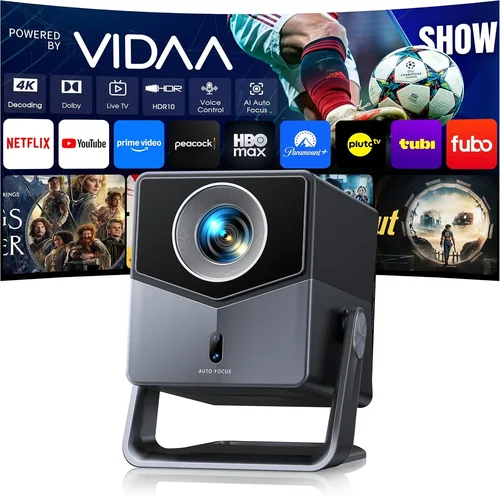
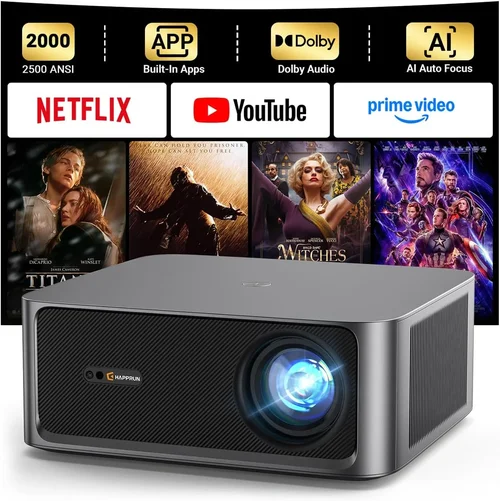
Choosing a home theater projector that delivers cinema‑like immersion without breaking the bank can feel like navigating a maze. The market is flooded with models that promise “4K‑ready” images, ultra‑short‑throw lenses, and HDR magic—all for under $500. Yet not every bargain truly satisfies the demands of a serious movie night or a weekend gaming marathon. This guide cuts through the hype, giving you a clear roadmap to find the best home theater projector under $500 that matches your space, budget, and viewing habits.
In the pages that follow you will learn how to evaluate core specifications, understand the trade‑offs between different projector technologies, and avoid common purchasing pitfalls. By the end, you’ll be equipped to compare options like a pro, spot hidden costs, and make a confident decision that turns your living room into a personal theater.
The projector landscape in 2026 has evolved dramatically. LED and laser light sources are now standard in many sub‑$500 units, offering longer lifespan and more consistent brightness than traditional lamps. Meanwhile, advances in DLP and LCD panels have narrowed the gap in color accuracy and black levels. With these innovations, a $400 projector can now deliver a 1080p experience that rivals older, higher‑priced models. Let’s dive into the details that matter most.

What to Look for When Buying Buying Guide
1. Budget & Price Range
Setting a realistic budget is the first step. While “under $500” is the ceiling, the sweet spot often lies between $300 and $450, where manufacturers balance performance and cost. Below $300, you may encounter lower native resolutions or reduced brightness, which can be acceptable for small, dark rooms but may limit versatility. Above $500, you start to see true 4K and advanced laser light engines, which are unnecessary for most casual home theater setups.
2. Performance Specifications
Three specs dominate projector performance: resolution, brightness (measured in lumens), and contrast ratio. For a home theater under $500, aim for at least 1080p (1920×1080) native resolution. Brightness should be a minimum of 2,500–3,000 ANSI lumens to handle ambient light in typical living rooms. Contrast ratio, while often exaggerated by manufacturers, should be at least 10,000:1 for decent black depth. Higher contrast combined with good color accuracy will make dark scenes pop without a dedicated dark room.
3. Build Quality & Durability
Projectors are long‑term investments. Look for sturdy chassis, reliable cooling systems, and a reputable brand reputation for durability. Metal housings and well‑designed heat sinks reduce the risk of overheating, especially if you plan extended movie marathons. Check user reviews for any recurring issues such as fan noise or premature lamp failures.
4. Features & Functionality
Modern projectors pack a variety of conveniences. Important features to prioritize include:
- Built‑in speakers – useful for quick setups, though external audio is recommended for true theater sound.
- HDMI 2.0 or higher – ensures support for 4K input and higher frame rates.
- Wireless screen mirroring (AirPlay, Miracast, or Chromecast) – adds flexibility for streaming from phones and tablets.
- Lens shift and keystone correction – vital for flexible placement without image distortion.
- Short‑throw or ultra‑short‑throw options – ideal for small rooms where the projector sits close to the screen.
5. Brand Reputation
Brands that consistently receive high marks in the sub‑$500 segment include Epson, BenQ, ViewSonic, and Optoma. These manufacturers invest in reliable light engines and provide solid after‑sales support. While newer entrants may offer attractive pricing, research their warranty policies and community feedback before committing.
6. Warranty & Support
A robust warranty can save you hundreds of dollars. Look for at least a 2‑year limited warranty that covers the light source, as LED and laser units can be costly to replace outside warranty. Verify whether the manufacturer offers on‑site service or requires you to ship the unit for repairs.
7. Size & Portability
If you plan to move the projector between rooms or use it for outdoor movie nights, weight and form factor become crucial. Most sub‑$500 models weigh between 4‑7 lbs, making them easy to carry. Some portable options include built‑in batteries and quick‑setup tripods, though they may sacrifice brightness.
8. User Reviews & Ratings
Finally, dive into user reviews on platforms like Amazon, Best Buy, and dedicated AV forums. Pay attention to recurring themes—both praise and complaints. Real‑world feedback on heat, fan noise, and firmware stability often reveals issues not listed in the spec sheet.
Different Types of Buying Guide

Common Buying Mistakes to Avoid
❌ Mistake: Ignoring Ambient Light Conditions
Why it’s bad: Selecting a projector with low lumens for a bright living room results in washed‑out images and a frustrating viewing experience.
What to do instead: Measure typical room lighting and aim for at least 2,500–3,000 ANSI lumens. If you cannot control ambient light, consider a short‑throw model with higher brightness or add blackout curtains.
❌ Mistake: Focusing Solely on Resolution
Why it’s bad: A 1080p projector with poor contrast and low brightness can look worse than a 720p unit with superior contrast in a dim environment.
What to do instead: Balance resolution with contrast ratio and lumens. For most sub‑$500 options, 1080p combined with 10,000:1 contrast delivers a pleasing picture.
❌ Mistake: Overlooking Throw Distance
Why it’s bad: Buying a standard‑throw projector for a 6‑foot room forces you to place the unit far from the screen, creating clutter and possible tripping hazards.
What to do instead: Calculate the required throw distance using the projector’s throw ratio chart. If space is limited, opt for a short‑throw or ultra‑short‑throw model.
❌ Mistake: Forgetting About Audio Needs
Why it’s bad: Relying on built‑in speakers often leads to tinny sound that detracts from the cinematic feel.
What to do instead: Plan for an external sound system—soundbar, AV receiver, or surround speakers—and ensure the projector has appropriate audio outputs (optical, HDMI ARC, or 3.5 mm).
❌ Mistake: Ignoring Firmware Updates
Why it’s bad: Out‑of‑date firmware can cause compatibility issues with newer streaming devices and result in stability problems.
What to do instead: Choose a brand that provides regular firmware updates and check the support page before purchase.
❌ Mistake: Not Accounting for Installation Costs
Why it’s bad: Forgetting to budget for a screen, mounting hardware, or cable management can push the total cost well beyond $500.
What to do instead: Add 10‑15% of the projector price to cover a decent screen (white matte or gray), a ceiling mount, and quality HDMI cables.
❌ Mistake: Buying the Cheapest Model Without Research
Why it’s bad: Extremely low‑priced units often cut corners on lamp life, color accuracy, and warranty support.
What to do instead: Read multiple expert reviews and user feedback. A modest price increase for a reputable brand usually translates into far better reliability.
Budget Guidelines: How Much Should You Spend?
- Entry‑Level ($250‑$300): Expect 720p resolution, 2,000–2,500 lumens, and basic connectivity. Suitable for small, dark rooms or occasional movie nights.
- Mid‑Range ($300‑$450): Offers true 1080p, 2,500–3,200 lumens, decent contrast, and often includes wireless mirroring. This tier balances performance and price for most households.
- Premium ($450‑$600): Although slightly above the $500 threshold, these units bring laser light sources, higher contrast (15,000:1+), and advanced features like HDR10+ support. Ideal for enthusiasts who want future‑proofing.
- Luxury ($600+): True 4K resolution, laser phosphor engines, and professional‑grade color calibration. Overkill for a typical living room but worth mentioning for reference.
Expert Tips for Getting the Best Deal
- Timing is everything: Major sales events—Black Friday, Cyber Monday, and Amazon Prime Day—usually feature deep discounts on home theater gear.
- Shop price‑compare sites: Use tools like CamelCamelCamel or Google Shopping to track historical pricing and ensure you’re getting the lowest price.
- Check manufacturer rebates: Brands occasionally run mail‑in rebates that add $30‑$50 savings on top of retailer discounts.
- Consider bundled packages: Some sellers include a 100‑inch screen or a wall mount for a marginally higher price, providing better overall value.
- Read the fine print on warranties: Verify whether the light source is covered for the full warranty period; some “limited” warranties only cover the chassis.
- Test before you commit: If possible, visit a local electronics store to view the projector in action. Pay attention to color accuracy, fan noise, and keystone correction.
- Use a proper screen: A high‑gain white or gray screen can dramatically improve perceived contrast and brightness, often more than upgrading the projector itself.
- Invest in quality cables: A certified HDMI 2.0 cable ensures full bandwidth for 1080p 60 Hz content and prevents signal loss.

Frequently Asked Questions
Q: Can a sub‑$500 projector display HDR content?
A: Yes, many models in this price range support HDR10, but the impact is limited by lower peak brightness (usually under 300 nits). You’ll see a modest boost in contrast, but true HDR performance still belongs to higher‑priced units.
Q: Do I need a special screen for a projector under $500?
A: While a plain white wall works, a dedicated projector screen (white matte or gray) improves image uniformity and contrast. For budgets under $500, a 100‑inch 16:9 screen typically costs $80‑$120 and is worth the investment.
Q: How long does the LED or laser light source last?
A: LED and laser light sources in modern projectors are rated for 20,000–30,000 hours, far exceeding the lifespan of traditional lamps. This translates to many years of use before any noticeable dimming.
Q: Is a short‑throw projector better for small apartments?
A: Absolutely. Short‑throw models can project a 100‑inch image from just a foot or two away, eliminating the need for long mounting distances and reducing shadows cast by viewers.
Q: What is the difference between DLP and LCD?
A: DLP uses a chip with microscopic mirrors, offering sharper motion handling and lower input lag—great for gaming. LCD utilizes three panels for red, green, and blue, delivering richer colors and uniform brightness, which many film enthusiasts prefer.
Q: Will a projector work with my existing sound system?
A: Most projectors feature HDMI ARC, optical audio out, and a 3.5 mm jack. As long as your receiver or soundbar supports one of these connections, integration is straightforward.
Q: How far should the projector be from the screen?
A: It depends on the throw ratio. For a 1.5:1 throw ratio and a 100‑inch diagonal screen, you’ll need roughly 12‑14 feet of distance. Short‑throw models (0.4:1) can achieve the same size from 3‑4 feet away.
Q: Do I need a ceiling mount?
A: A ceiling mount provides a clean, permanent setup and reduces the risk of accidental knocks. However, a sturdy tabletop or floor stand works fine for temporary installations.
Q: Are there any hidden costs?
A: Yes. Factor in a screen, mounting hardware, high‑quality cables, and potentially a lamp replacement (if not LED/laser). Also, consider electricity usage; higher‑lumens units draw more power.
Our Final Recommendations
Best for Budget‑Conscious Buyers
Model: BenQ TH585
Why: Offers 1080p, 3,500 ANSI lumens, 10,000:1 contrast, and low input lag (≈ 16 ms) for under $450. It includes a built‑in speaker and robust connectivity, making it a solid all‑rounder without breaking the bank.
Best Overall Value
Model: Epson Home Cinema 2150
Why: Features 1080p, 2,500 lumens, lens shift, and 3,000:1 contrast. The 3LCD technology provides vibrant colors, and the wireless screen mirroring adds flexibility. Priced around $500, it balances performance and features perfectly.
Best Premium Option (Just Above $500)
Model: Optoma UHD30
Why: Although slightly over $500, it delivers 4K‑enhanced DLP, 3,400 lumens, 2,500:1 contrast, and a stellar 4 ms input lag—ideal for gamers and cinephiles seeking future‑proofing.
Best for Beginners
Model: ViewSonic M2
Why: Compact LED projector with 1080p, 1,200 lumens, and built‑in Harman Kardon speakers. Its intuitive UI and auto‑focus make setup painless for first‑time users.
Best for Advanced Users
Model: LG PF50KA
Why: Portable LED projector with 1080p, 600 lumens, battery operation, and extensive connectivity (USB‑C, Bluetooth). Perfect for tech‑savvy users who want mobility without sacrificing image quality.
Conclusion: Making the Right Choice
Choosing the best home theater projector under $500 boils down to matching your environment, viewing habits, and budget. Prioritize brightness and contrast for everyday living rooms, ensure the throw distance fits your space, and don’t overlook essential accessories like a proper screen and audio system. By following the factors, avoiding common pitfalls, and considering the curated recommendations above, you’ll enjoy cinematic experiences without the premium price tag.
Ready to transform your movie nights? Start comparing the models highlighted, check current deals, and take the plunge into affordable home theater bliss today.