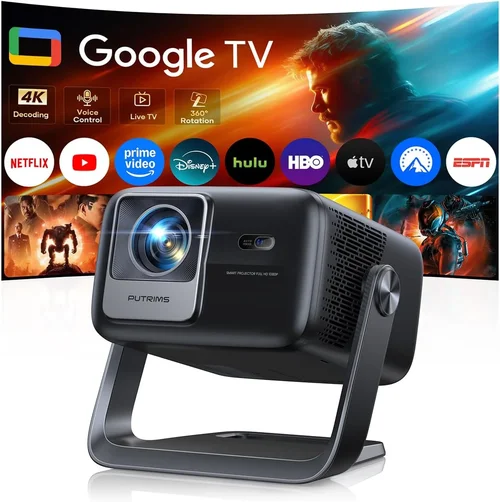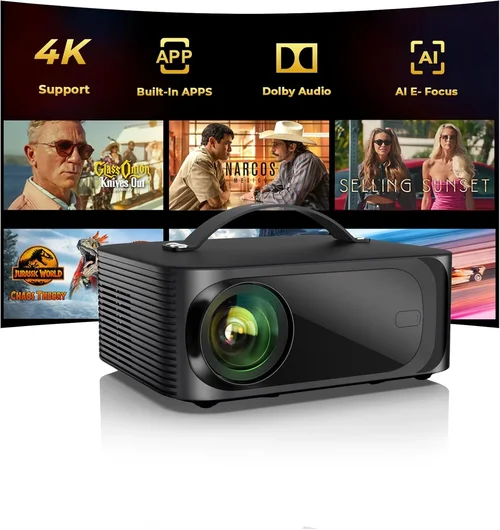
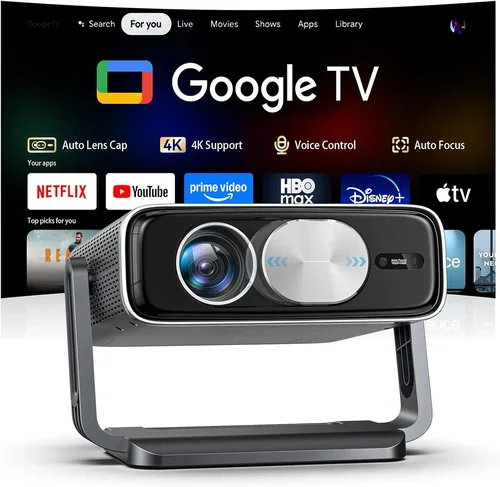
If you’ve ever dreamed of turning your living room into a personal cinema, a quality home‑theater projector is the gateway. Yet the market is flooded with options, and pinning down the perfect machine under $5,000 can feel overwhelming. This guide cuts through the noise, giving you the knowledge you need to select a projector that delivers blockbuster‑level visuals without breaking the bank.
In the next few minutes you’ll learn how to evaluate brightness, contrast, resolution, and the host of extra features that separate a good projector from a great one. We’ll also walk you through the different projector families, common pitfalls, budgeting tips, and the very best models currently available for every type of cinephile. By the end, you’ll be equipped to make a confident purchase that matches your space, viewing habits, and wallet.
The home‑theater projector landscape has evolved dramatically over the past five years. LED and laser light sources have become mainstream, offering longer lifespans and more consistent color performance than traditional lamps. Meanwhile, 4K‑enhanced DLP and LCD panels are now commonplace in the sub‑$5,000 tier, delivering crisp detail that rivals many mid‑range TVs. Understanding these trends is essential to picking a device that stays relevant for years to come.

What to Look for When Buying Buying Guide
1. Budget & Price Range
Setting a realistic budget is the first step. While you can find entry‑level units for under $1,000, the sweet spot for a true home‑theater experience lies between $2,500 and $4,500. In this range you’ll typically get a laser or high‑quality LED light source, true 4K (or 4K‑enhanced) resolution, and a robust feature set. Anything above $5,000 moves into professional‑grade territory, where diminishing returns become more pronounced.
2. Performance Specifications
Three specs dominate picture quality:
- Brightness (lumens): For a dark‑room home theater, 1,500–2,500 ANSI lumens is ample. If you plan to watch with some ambient light, aim for 2,500–3,500 lumens.
- Contrast Ratio: Higher contrast means deeper blacks. Look for a dynamic contrast of at least 30,000:1; true black levels are especially important for HDR content.
- Resolution: Native 4K (3840×2160) is ideal, but many sub‑$5k models use 4K‑enhancement (often called “4K‑upscaled”). If you’re a purist, prioritize native 4K; otherwise a high‑quality 1080p panel with DLP chip can still deliver an excellent experience.
3. Light Source Technology
There are three main light sources to consider:
- Laser: Offers the longest lifespan (20,000+ hours), instant on/off, and superb color gamut. Slightly higher cost but worth it for consistent performance.
- LED: Similar lifespan to laser with lower heat output. Usually a bit dimmer, making them better suited for dedicated dark rooms.
- UHP Lamp: Traditional high‑pressure mercury lamps are cheaper upfront but require periodic replacement (2,000–4,000 hours) and can dim over time.
4. Build Quality & Durability
A projector is an investment that should survive years of use. Look for a metal chassis, sturdy lens housing, and reliable cooling fans. Models with sealed optics tend to accumulate less dust, reducing maintenance. If you plan to move the unit between rooms, consider a compact design with a protective carry case.
5. Features & Functionality
Modern projectors are packed with smart features. Key ones to prioritize:
- HDR Support: HDR10 and Dolby Vision are the two dominant standards. Ensure the projector can handle at least 10-bit color processing.
- Lens Shift & Zoom: Provides flexibility in placement without keystone distortion.
- Keystone Correction: Digital correction is handy but can degrade image quality; optical correction is preferable.
- Built‑in Audio: Most projectors have modest speakers; for a true theater feel, plan for external sound.
- Connectivity: HDMI 2.1 (or at least HDMI 2.0), USB‑C, Wi‑Fi, Bluetooth, and Ethernet give you plenty of options for streaming devices, gaming consoles, and media players.
6. Brand Reputation
Established brands such as Epson, BenQ, Optoma, and Sony have proven track records for reliability and service. Newer entrants like ViewSonic and LG are gaining ground, especially in laser technology. Research after‑sales support, firmware update frequency, and user community size before committing.
7. Warranty & Support
A solid warranty can save you thousands. Look for at least a 2‑year limited warranty that covers the light source. Some manufacturers offer extended coverage for an additional fee. Check if the brand has local service centers or authorized repair partners.
8. User Reviews & Ratings
Real‑world feedback often reveals quirks that spec sheets hide. Pay attention to recurring themes in reviews—such as fan noise, heat buildup, or firmware bugs. Balance the positive and negative comments to gauge overall satisfaction.
Different Types of Buying Guide
Common Buying Mistakes to Avoid
❌ Mistake: Ignoring Ambient Light Conditions
Why it’s bad: A projector rated at 2,000 lumens will look fantastic in a dark room but will appear washed out in a living room with windows.
What to do instead: Measure the typical ambient light level in your viewing space and choose a brightness rating that exceeds it by at least 30%.
❌ Mistake: Over‑focusing on Resolution Alone
Why it’s bad: A native 1080p projector with a high contrast ratio can often look better than a low‑contrast 4K‑enhanced model.
What to do instead: Balance resolution with contrast, color accuracy, and brightness. For most home‑theater setups, 1080p with excellent contrast is sufficient unless you are a 4K content binge‑watcher.
❌ Mistake: Forgetting About Throw Distance
Why it’s bad: Buying a short‑throw unit for a room that requires a long throw leads to image distortion or the need for expensive mounting solutions.
What to do instead: Use the manufacturer’s throw‑ratio chart to calculate the ideal distance for your screen size, then verify that your room can accommodate it.
❌ Mistake: Neglecting Lens Shift & Zoom
Why it’s bad: Without lens shift, you may need to place the projector on a shelf, resulting in unwanted keystone distortion.
What to do instead: Prioritize models with at least ±10% vertical lens shift and a decent zoom range (1.2‑1.6×) for flexible placement.
❌ Mistake: Assuming All HDR Is Equal
Why it’s bad: Some projectors claim HDR support but only achieve a limited peak brightness, reducing the impact of HDR highlights.
What to do instead: Look for HDR certification, check peak brightness (nits) in HDR mode, and read independent reviews that test HDR performance.
❌ Mistake: Skipping Firmware Updates
Why it’s bad: Out‑of‑date firmware can cause compatibility issues with new streaming devices or result in sub‑optimal color rendering.
What to do instead: Choose a brand that releases regular updates and verify that the projector’s UI makes updating straightforward.
Budget Guidelines: How Much Should You Spend?
- Entry‑Level ($1,500‑$2,500): Expect 1080p resolution, lamp‑based light source, and basic HDR. Good for casual movie nights in dark rooms.
- Mid‑Range ($2,500‑$3,800): Here you’ll find laser or high‑quality LED, 4K‑enhanced panels, higher contrast, and richer connectivity (HDMI 2.0, Wi‑Fi).
- Premium ($3,800‑$5,000): True 4K laser models with dynamic contrast exceeding 50,000:1, robust lens shift, and premium audio pass‑through. Ideal for dedicated home theaters.
- Luxury ($5,000+): Ultra‑short‑throw 4K laser projectors with HDR10+ and Dolby Vision, integrated motorized lens, and enterprise‑grade warranties. Overkill for most households but worth considering for high‑end installations.