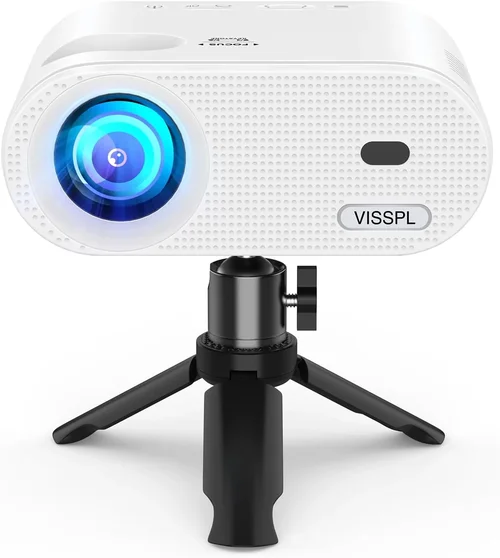
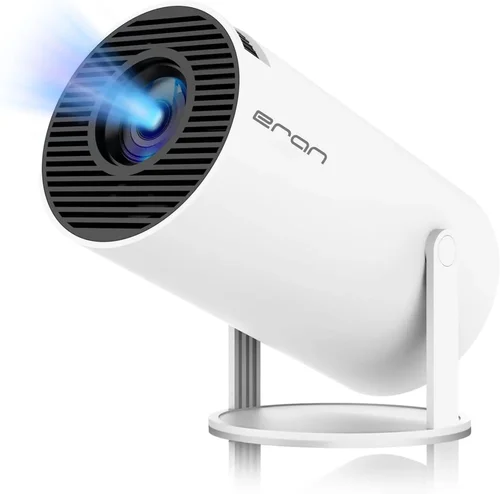
Classrooms are evolving faster than ever. Teachers now need tools that are portable, affordable, and capable of delivering clear visuals for everything from math lessons to history documentaries. That’s why a mini projector under $100 has become a hot‑topic purchase for educators on a budget. This guide cuts through the noise, giving you a step‑by‑step roadmap to find a projector that meets the unique demands of a classroom without breaking the bank.
In the pages that follow you’ll learn how to evaluate key specs, compare the most common projector types, avoid costly buying mistakes, and discover which models consistently earn top marks from teachers just like you. Whether you’re setting up a single‑room lecture hall or outfitting a whole school district, the information here will help you make a confident, data‑driven decision.
The market for low‑cost mini projectors has exploded in the last three years. Advances in LED brightness, native resolution, and wireless connectivity mean that devices once relegated to home movie nights now have the performance needed for classroom use. Yet the sheer number of options can be overwhelming. This guide narrows the field to the most reliable, feature‑rich devices that still sit comfortably under the $100 threshold.

What to Look for When Buying Buying Guide
1. Budget & Price Range
When you set a hard limit of $100, every dollar counts. Look for models that consistently stay on sale or offer bundle discounts (e.g., extra cables or a portable screen). Remember that the lowest price does not always equal the best value; a slightly higher upfront cost can save you money in the long run by reducing replacement frequency.
2. Performance Specifications
Key specs include brightness (measured in lumens), native resolution, and contrast ratio. For a typical classroom with controlled lighting, a projector that delivers at least 200 lumens will produce a readable image on a whiteboard or screen. Native 720p (1280×720) resolution is the sweet spot for clear text and detailed graphics without inflating the price. A contrast ratio of 500:1 or higher helps differentiate dark and light areas, crucial for video content.
3. Build Quality & Durability
Classrooms are high‑traffic environments. A sturdy housing made from ABS plastic, reinforced corners, and a dust‑resistant fan are essential. Look for projectors with a minimum of 30,000 operating hours on the LED lamp—a figure that translates to several years of daily use before any degradation.
4. Features & Functionality
Connectivity options dictate how easily you can integrate the projector with existing tech. HDMI is a must, but USB‑C, micro‑USB, and wireless (Wi‑Fi or Bluetooth) add flexibility for smartphones, tablets, and laptops. Built‑in speakers are convenient, though they rarely replace a dedicated sound system. Some models also include keystone correction, which can straighten images without manual adjustments.
5. Brand Reputation
Established brands such as Anker, Vankyo, and AAXA have proven track records for delivering reliable mini projectors. Research each brand’s history, read customer service reviews, and check how quickly firmware updates are released. A reputable brand often means better after‑sales support and more consistent quality control.
6. Warranty & Support
Even the best hardware can encounter issues. A minimum 12‑month warranty is standard for this price segment, but some manufacturers extend to 24 months. Verify what the warranty covers (e.g., lamp failure, accidental damage) and whether you can obtain service locally or must ship the unit overseas.
7. Size & Portability
Mini projectors should fit in a teacher’s bag or even a pocket. Look for dimensions under 6 inches in length and a weight under 1 pound. Compact size combined with a built‑in battery (if you need true mobility) can be a game‑changer for pop‑up lessons or outdoor activities.
8. User Reviews & Ratings
Real‑world feedback provides insight that spec sheets cannot. Prioritize products with an average rating of 4 stars or higher across multiple retail platforms. Pay attention to comments about heat management, image stability, and ease of setup—these are the factors that affect daily classroom use.
Different Types of Buying Guide

Common Buying Mistakes to Avoid
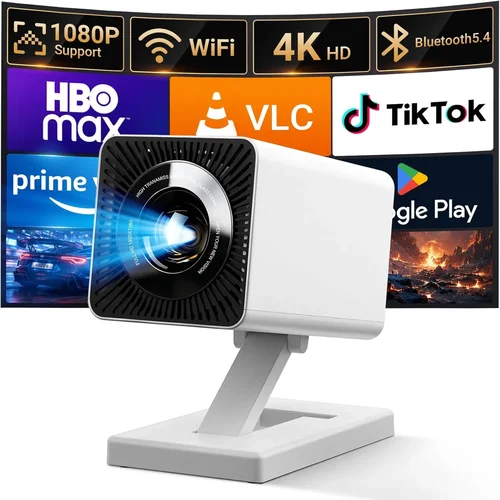
❌ Mistake: Chasing the Highest Lumens Rating
Why it’s bad: Many low‑cost projectors inflate lumen claims using “ANSI” measurements that don’t reflect real‑world brightness. Over‑paying for a high‑lumens claim can lead to a device that still struggles in bright classrooms.
What to do instead: Target a realistic 200‑250 lumen range verified by independent reviews. Pair this with a matte white screen for optimal light diffusion.
❌ Mistake: Ignoring Native Resolution
Why it’s bad: A projector that lists “720p support” but only offers 480p native resolution will produce blurry text, making lessons hard to read.
What to do instead: Choose a model with true 720p (1280×720) native resolution. This ensures crisp slides and legible handwriting.
❌ Mistake: Overlooking Heat Management
Why it’s bad: Mini projectors with inadequate cooling can shut down mid‑presentation, disrupting class flow.
What to do instead: Verify that the unit has a fan with adjustable speed or a passive heat‑sink design. Check user reviews for any overheating complaints.
❌ Mistake: Forgetting Compatibility with Existing Devices
Why it’s bad: If the projector only has a micro‑USB port, you’ll need adapters for most laptops and tablets, adding extra cost.
What to do instead: Prioritize HDMI and USB‑C inputs. Wireless mirroring (Miracast or AirPlay) is a bonus for modern devices.
❌ Mistake: Neglecting Warranty Details
Why it’s bad: A short or limited warranty can leave you paying full price for repairs.
What to do instead: Choose a brand that offers at least a 12‑month warranty and clearly states what is covered.
❌ Mistake: Buying Without Testing the Image Size
Why it’s bad: Some projectors throw a tiny 30‑inch image at 2 meters, which isn’t suitable for a typical classroom.
What to do instead: Verify the throw distance chart. A 0.5‑1.5 meter throw ratio is ideal for small to medium rooms.
Budget Guidelines: How Much Should You Spend?
- Entry-Level ($70 – $85): Expect 180‑220 lumens, 480p‑720p upscaling, basic HDMI. Ideal for small groups or supplemental use.
- Mid-Range ($86 – $100): Offers true 720p native resolution, 250 lumens, built‑in speakers, and wireless options. This tier balances performance with price.
- Premium ($101 – $130): Though slightly above the $100 ceiling, these models add higher contrast ratios, longer lamp life, and stronger battery packs.
- Luxury ($131+): Typically includes 1080p resolution, 300+ lumens, and advanced lens shift – generally unnecessary for standard classroom needs.
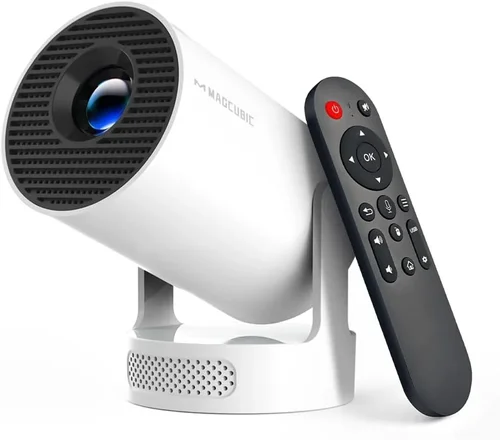
Expert Tips for Getting the Best Deal
- Timing is everything: Major sales events—Black Friday, Back‑to‑School, and Amazon Prime Day—often feature deep discounts on mini projectors.
- Buy from authorized retailers: This ensures the warranty is valid and reduces the risk of counterfeit units.
- Bundle smartly: Purchasing a projector with a portable screen or HDMI cable in a single package can save up to 15%.
- Check return policies: A 30‑day return window gives you time to test the unit in your actual classroom setting.
- Read the fine print on batteries: If you need battery power, confirm the advertised runtime—many claim 2 hours but deliver only 1.5.
- Test keystone correction: A projector with automatic vertical keystone saves time during setup.
- Consider future expansion: Models with extra USB ports let you add a wireless dongle later without buying a new unit.

Frequently Asked Questions
Q: Can a $100 mini projector be bright enough for a typical classroom?
A: Yes, if you choose a unit with at least 200 lumens and use a matte white screen, the image will be clear in dimmed lighting. For brighter rooms, consider blackout curtains or a slightly higher‑lumens model.
Q: Do I need a separate sound system?
A: Built‑in speakers are convenient but usually produce only 2‑3 watts of sound, which may be insufficient for larger rooms. Pairing the projector with a portable Bluetooth speaker improves audio quality without much extra cost.
Q: How long does the LED lamp last?
A: Most budget mini projectors advertise 30,000‑40,000 hours of lamp life. At 4 hours of daily use, that translates to over 20 years of operation before any noticeable dimming.
Q: Is wireless streaming reliable on cheap projectors?
A: Wireless performance varies. Look for models that support Miracast or AirPlay and have received positive latency reviews. Wired HDMI remains the most reliable option for live teaching.
Q: Can I mount the projector on the ceiling?
A: Many mini projectors include a ¼‑inch threaded hole for standard mounts. However, check the weight rating of the mount to ensure it can support the unit.
Q: Are there any safety concerns with LED projectors?
A: LED projectors emit minimal heat compared to lamp‑based units, making them safer for classroom use. Still, keep the ventilation area clear to avoid overheating.
Q: What is the difference between DLP and LCD in this price range?
A: DLP projectors often deliver higher contrast and sharper motion, while LCD units provide more accurate color reproduction. At under $100, the visual difference is modest; choose based on your primary content type.
Our Final Recommendations
- Best for Budget‑Conscious Buyers: Anker Nebula Capsule I – $79, 200 lumens, 720p native, built‑in 2‑hour battery, HDMI, and Wi‑Fi mirroring.
- Best Overall Value: Vankyo Leisure 3 Mini – $92, 250 lumens, true 720p, HDMI + USB‑C, keystone correction, 30,000‑hour lamp.
- Best Premium Option (just above $100): AAXA P300 – $119, 300 lumens, 720p, HDMI, USB‑C, wireless, and a rugged metal chassis.
- Best for Beginners: ELEPHAS Mini Projector – $68, simple plug‑and‑play HDMI, 180 lumens, easy focus dial.
- Best for Advanced Users: ViewSonic M1 Mini Plus – $99, 250 lumens, 720p, built‑in JBL speakers, Bluetooth, and a customizable light‑guide panel.
Conclusion: Making the Right Choice
Choosing the best mini projector for a classroom under $100 doesn’t have to be a gamble. Focus on real‑world brightness, true 720p resolution, solid build quality, and the connectivity you need for daily lessons. Use the budget tiers and expert tips in this guide to narrow your options, avoid common pitfalls, and secure a device that will serve you reliably for years.
Now that you’re equipped with the knowledge, take a moment to list your classroom’s top three priorities—whether that’s portability, wireless streaming, or maximum brightness. Match those priorities against the recommendations above, and you’ll walk away with a projector that enhances learning without draining your budget.
Ready to upgrade your teaching toolkit? Browse the models highlighted, compare current prices, and make a purchase before the next sale cycle begins. Your students—and your pocket—will thank you.