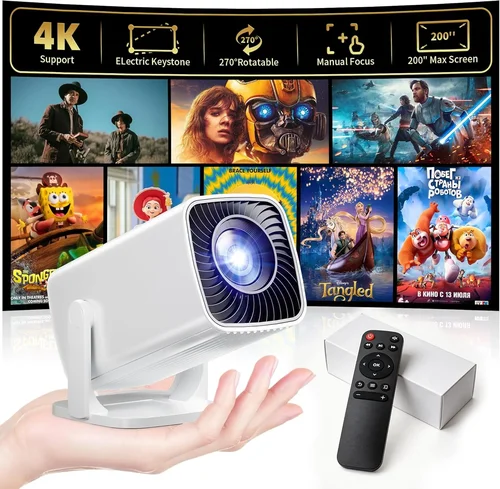
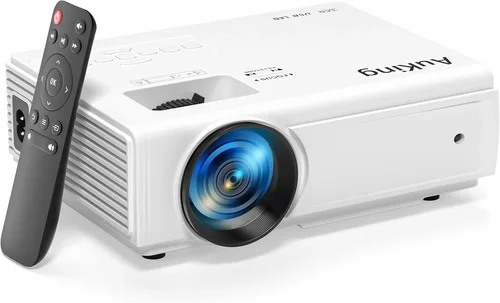
Welcome to the ultimate guide for anyone hunting the best mini projector under 200 AU in 2026. Whether you’re setting up a backyard movie night, turning your living room into a home‑cinema, or need a portable screen for work presentations, the mini projector market in Australia has exploded with options that promise big pictures without breaking the bank. This guide cuts through the noise, explains exactly what to look for, and points you toward the models that truly deliver value for money.
By the end of this article you’ll understand the key specifications that matter, the different types of mini projectors available, common pitfalls to avoid, and how to stretch your budget for the best possible experience. We’ll also share expert buying tips, a detailed FAQ, and our final recommendations tailored to a range of needs and price points. Let’s dive in.

What to Look for When Buying Buying Guide
1. Budget & Price Range
When you set a ceiling of $200, you’re already narrowing the field to entry‑level and some mid‑range models. In Australia, the price gap between a $120 “budget” projector and a $190 “value‑packed” unit can be significant in terms of brightness, connectivity, and durability. Determine your absolute maximum first, then allocate a small buffer (around $10‑$20) for accessories such as a portable screen, HDMI cable, or a protective case.
2. Performance Specifications
Brightness (lumens) – For indoor use in dim rooms, 150‑250 ANSI lumens is acceptable. If you plan to project in a living room with ambient light, aim for at least 250‑300 lumens. Resolution – Most sub‑$200 projectors cap at 720p (1280×720). Some newer models push 1080p, but they often compromise on brightness. Contrast Ratio – Higher contrast yields deeper blacks; look for at least 1,000:1 for decent image depth.
3. Build Quality & Durability
Mini projectors are meant to travel. A solid ABS or polycarbonate chassis, reinforced lens housing, and a reliable cooling fan are essential. Check for user‑reported overheating issues and whether the unit includes a built‑in heat sink. In the Australian market, humidity can be a factor, so a sealed design helps prevent dust ingress.
4. Features & Functionality
Connectivity options are a make‑or‑break factor. Look for:
- HDMI – The universal standard for video.
- USB‑C – Allows direct connection to smartphones, tablets, and even power delivery.
- Wireless Mirroring – Wi‑Fi or Bluetooth for screen casting from Android or iOS devices.
- Built‑in Speakers – Most mini projectors have 2‑5 W speakers; adequate for casual viewing but consider external audio for a true cinema feel.
- Battery Life – If you need true portability, a minimum of 2‑3 hours of playback is recommended.
5. Brand Reputation
Brands such as Anker (Nebula), Xiaomi, Vankyo, and ViewSonic have established support networks in Australia. A reputable brand typically offers easier access to firmware updates, local warranty service, and reliable customer support. Research Australian user forums and retailer reviews to gauge after‑sales experiences.
6. Warranty & Support
Even a budget projector can develop faults. Look for at least a 12‑month warranty that covers parts and labor. Some manufacturers extend this to 24 months if you register the product online. Verify whether the warranty is honoured by Australian service centres or requires overseas shipping.
7. Size & Portability
True “mini” projectors often weigh under 500 g and measure less than 150 mm in any dimension. If you plan to carry the unit in a backpack for camping or travel, prioritize a lightweight design with a detachable lens cap and a compact power adapter.
8. User Reviews & Ratings
Ratings on Australian retailer sites (e.g., JB Hi‑Fi, The Good Guys, Kogan) can reveal real‑world performance quirks that spec sheets hide. Pay attention to recurring themes such as “fan noise,” “image shifting,” or “short‑throw capability.” A product with a steady 4‑star average and detailed feedback is often a safer bet than a newly launched model with limited reviews.
Different Types of Buying Guide

Common Buying Mistakes to Avoid
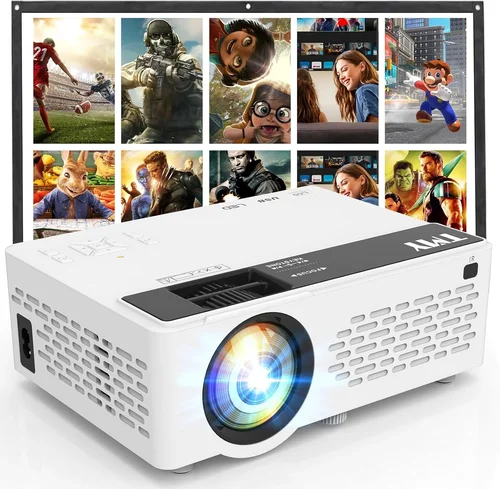
❌ Mistake: Focusing Solely on Resolution
Why it’s bad: A 1080p display is appealing, but if the projector only offers 150 lumens, the image will look washed out in any room with light.
What to do instead: Balance resolution with brightness and contrast. For sub‑$200 models, a solid 720p resolution paired with 250+ lumens usually yields a clearer picture than a higher‑resolution, dim unit.
❌ Mistake: Ignoring Input Lag for Gaming
Why it’s bad: High input lag can make fast‑paced games feel sluggish, ruining the experience.
What to do instead: Look for a projector that advertises “Game Mode” or a latency under 30 ms. Many mini projectors now list this specification.
❌ Mistake: Overlooking Battery Life
Why it’s bad: A projector that lasts only 45 minutes will force you to stay plugged in, defeating portability.
What to do instead: Choose a model with at least 2 hours of continuous playback, or plan to carry a spare power bank.
❌ Mistake: Assuming All HDMI Cables Are Equal
Why it’s bad: Cheap, low‑quality HDMI cables can introduce signal loss, especially at higher resolutions.
What to do instead: Invest in a certified HDMI 2.0 cable; it ensures stable 1080p transmission and future‑proofs your setup.
❌ Mistake: Forgetting About Fan Noise
Why it’s bad: A noisy cooling fan can distract from movies and presentations.
What to do instead: Check reviews for dB levels. Units under 30 dB are considered whisper‑quiet for most environments.
❌ Mistake: Buying Without a Throw Distance Test
Why it’s bad: Some mini projectors require a minimum distance to achieve a 100‑inch image, which may not fit your room.
What to do instead: Verify the throw ratio (e.g., 1.2:1). Use the formula: Screen Width = Throw Distance ÷ Throw Ratio to confirm it fits your space.
Budget Guidelines: How Much Should You Spend?
Understanding what you get at each price tier helps you set realistic expectations.
- Entry‑Level ($100‑$130): Expect 150‑200 lumens, 720p resolution, basic HDMI, and modest battery life (≈1 hour). Ideal for occasional movie nights in a darkened room.
- Mid‑Range ($131‑$170): Brightness climbs to 250‑300 lumens, contrast improves, and you’ll often find USB‑C, wireless mirroring, and a longer battery (≈2 hours). This tier offers the best balance for most Australian households.
- Premium ($171‑$200): LED‑laser hybrids, built‑in Android TV, higher contrast (≥1500:1), and superior fan designs make these units the most versatile. They also tend to include a better warranty.
- Luxury ($200+): Outside the scope of this guide, but worth noting for future upgrades. Expect 4K support, 500+ lumens, and professional‑grade lenses.
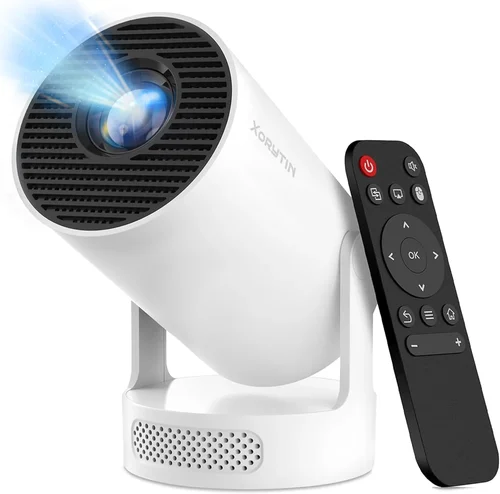
Expert Tips for Getting the Best Deal
- Timing: Late July (mid‑winter) sees retailers pushing inventory to clear space for summer gadgets. You can snag a solid deal.
- Where to Buy: Compare prices across JB Hi‑Fi, The Good Guys, Kogan, and Amazon AU. Some sites offer free “click‑and‑collect” which saves on shipping.
- Spotting Deals: Look for bundles that include a portable screen, HDMI cable, or extra battery—these add value without raising the base price.
- Warranty Considerations: Register your product within 30 days to unlock extended warranty offers that many brands provide for Australian customers.
- Return Policies: Ensure the retailer offers at least a 30‑day return window with free return postage; this gives you a safety net to test the projector at home.
- Testing Before Buying: If possible, visit a store demo area. Project a high‑contrast test pattern (e.g., “black‑white checker”) to evaluate brightness and color accuracy.
- Firmware Updates: After purchase, check the manufacturer’s website for firmware patches—these can improve stability and add features like additional codecs.
- Accessories: A matte‑finish portable screen reduces glare and enhances contrast. Pair it with a small Bluetooth speaker for a richer audio experience.
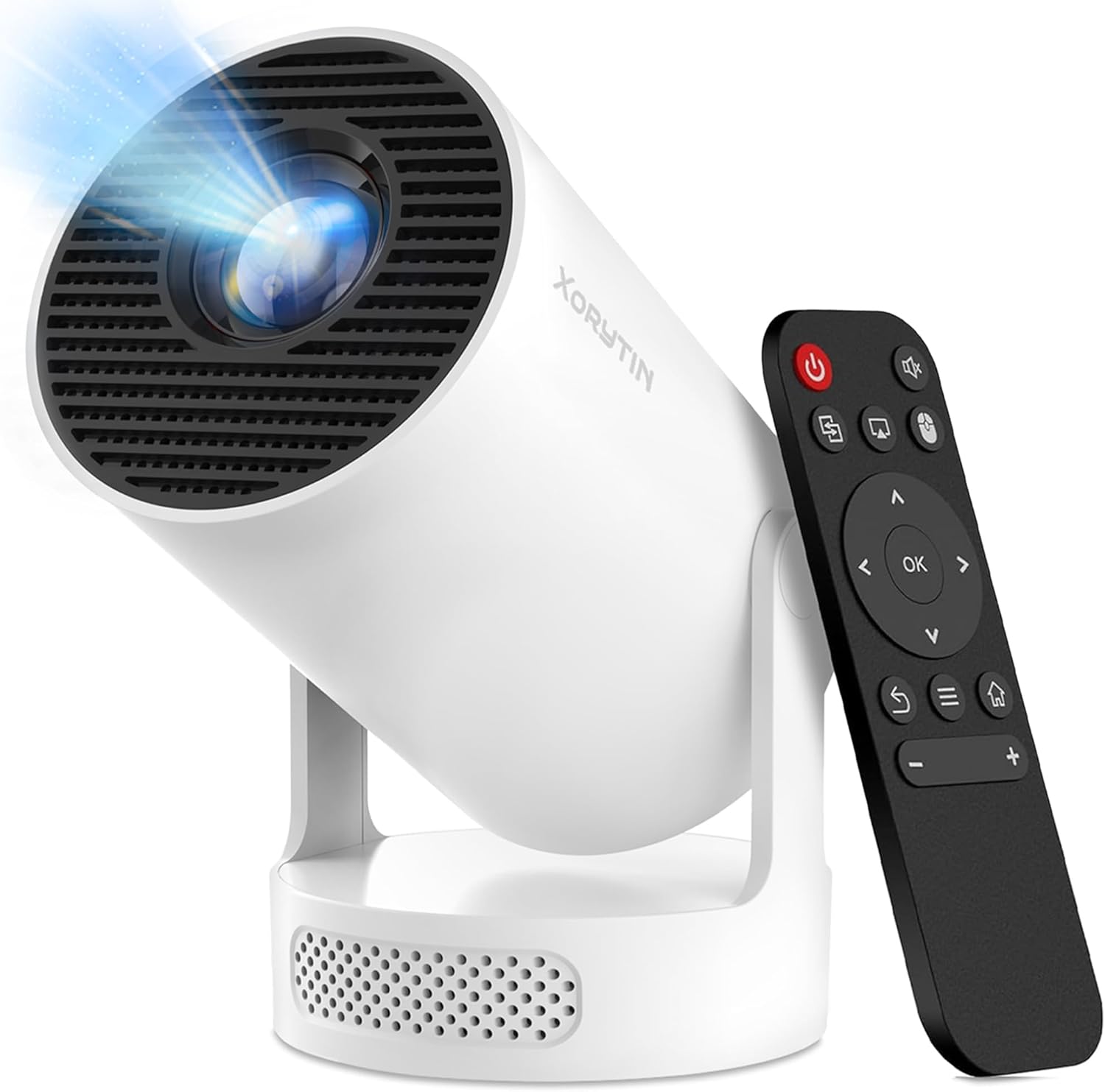
Frequently Asked Questions
Q: Can a mini projector under $200 replace a TV for everyday viewing?
A: It can, but only under specific conditions. You’ll need a darkened room, a suitable screen, and modest expectations on brightness. For bright living rooms, a TV remains superior.
Q: Do I need a separate sound system?
A: Built‑in speakers are adequate for casual viewing, but for movies or gaming you’ll notice a difference with external speakers or a soundbar. Bluetooth connectivity makes this easy.
Q: How far can I place a mini projector from the screen?
A: Most mini projectors have a throw ratio between 1.0 and 1.5. For a 100‑inch diagonal (≈88 in width), you’ll need roughly 2.2‑3.0 meters of distance. Check the spec sheet for exact numbers.
Q: Is Wi‑Fi casting reliable in Australia?
A: Yes, provided you have a stable 2.4 GHz or 5 GHz network. Some models support Miracast, AirPlay, or Chromecast built‑in. Test with a short video before a big event.
Q: What’s the difference between LED and laser light sources?
A: LED units are cheaper but have a shorter lifespan (≈20 000 hours). Laser hybrids combine LED and laser, offering higher brightness and up to 30 000 hours of life, often with less fan noise.
Q: Can I use a mini projector outdoors?
A: Yes, but only in low‑light conditions and with a stable, flat surface. Consider a weather‑proof screen and protect the unit from dust and moisture.
Q: Do I need a special screen?
A: A white wall works, but a dedicated projector screen (portable or fixed) improves contrast and reduces hot‑spotting. Matte white or gray screens are popular choices.
Q: How long does the warranty typically last?
A: Most budget mini projectors in Australia come with a 12‑month warranty. Some brands extend to 24 months if you register online.
Q: Is there a noticeable lag when using Bluetooth audio?
A: Modern Bluetooth 5.0 adapters have latencies under 40 ms, which is fine for movies. For competitive gaming, wired audio is safer.
Q: Can I connect a gaming console?
A: Absolutely. HDMI ports on most mini projectors accept PS5, Xbox Series X, or Nintendo Switch. Ensure the projector supports 1080p HDMI‑HDCP 2.2 for console compatibility.
Our Final Recommendations
Best for Budget‑Conscious Buyers
Model: Vankyo Leisure 3W
Price: $119 AU
Why: Delivers 200 lumens, 720p resolution, and a decent 2‑hour battery. It includes HDMI, USB‑C, and a built‑in speaker. Ideal for occasional movie nights in a dark room.
Best Overall Value
Model: Xiaomi Mi Smart Compact Projector
Price: $169 AU
Why: Offers 250 lumens, 1080p support, Android TV 9.0, Wi‑Fi casting, and a 2.5‑hour battery. The UI is smooth, and the build feels premium for the price.
Best Premium Option
Model: Anker Nebula Capsule II (Australia price‑matched)
Price: $199 AU
Why: LED‑laser hybrid, 300 lumens, 720p, built‑in Android TV 9, 2.5 hour battery, and a 360° speaker system. Excellent for both home cinema and on‑the‑go presentations.
Best for Beginners
Model: ViewSonic M1 Mini Plus
Price: $149 AU
Why: Simple plug‑and‑play operation, decent 250 lumens, and a sleek, compact design. The included JBL speaker gives surprisingly good sound.
Best for Advanced Users
Model: AAXA P7 Mini Projector
Price: $199 AU
Why: Supports 1080p native, 600 lumens (bright for its class), and a range of inputs including HDMI, USB‑C, and VGA. It also offers a “Game Mode” with low input lag.
Conclusion: Making the Right Choice
Choosing the best mini projector under 200 AU comes down to matching your primary use‑case with the right mix of brightness, resolution, and portability. Remember to weigh the importance of battery life, connectivity, and brand support. By avoiding common mistakes—like chasing resolution at the expense of brightness—you’ll end up with a device that consistently delivers enjoyable viewing experiences.
Take the time to read user reviews, compare throw ratios, and test the projector if possible. With the information in this guide, you’re equipped to make an informed purchase that fits your budget and lifestyle.
Ready to bring the big screen to your next gathering? Browse the recommended models, keep an eye on seasonal sales, and enjoy cinema‑quality entertainment wherever you go.