Finding a true‑native 1080p projector for under $200 feels like hunting for a unicorn, especially in 2026 when 4K and laser models dominate the headlines. Yet for movie nights, gaming sessions, or a home‑office setup, a crisp 1080p image can be more than enough—provided you know what to look for. This guide cuts through the hype, helping you understand the essential specs, avoid costly mistakes, and pick a projector that delivers genuine 1080p resolution without breaking the bank.
By the end of this article you’ll know exactly which performance metrics matter most, how different projector categories stack up, and which models consistently earn high marks from real users. Whether you’re a student on a budget, a gamer who wants low‑input‑lag, or a family looking for a weekend movie machine, the insights here will steer you toward a confident purchase.
The market for sub‑$200 native 1080p projectors has widened thanks to advances in DLP chips, improved LED light sources, and smarter firmware. Brands such as ViewSonic, BenQ, and Optoma now offer models that meet true 1080p standards while staying pocket‑friendly. Let’s dive into the factors that separate the decent from the disappointing.
What to Look for When Buying Buying Guide
1. Budget & Price Range
Even within the “under $200” bracket, prices can vary based on sales, bundled accessories, and regional taxes. Set a hard ceiling, but also be prepared to stretch a few dollars for a model that truly offers native 1080p (as opposed to “1080p‑enhanced” scaling). Remember that a slightly higher upfront cost often saves you from buying a replacement sooner.
2. Performance Specifications
Key specs include:
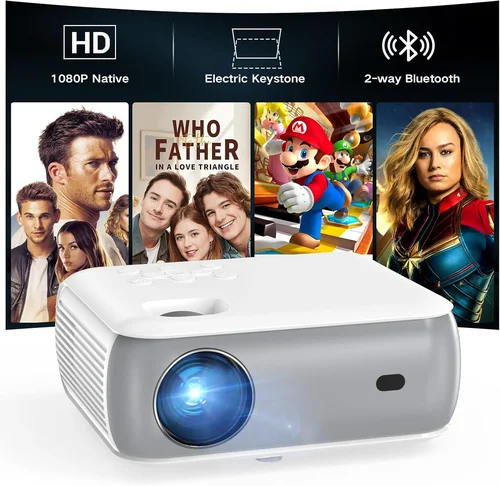
- Resolution: Look for “Native 1080p” or “Full HD (1920×1080)”. Anything below is up‑scaled and will not deliver true pixel‑perfect detail.
- Brightness (lumens): For dim rooms, 2,000–2,500 ANSI lumens is adequate. If you plan to use the projector in a living room with ambient light, aim for 3,000+ lumens.
- Contrast Ratio: Higher contrast (e.g., 10,000:1) yields deeper blacks and more vivid colors. Budget models often list “dynamic contrast” that can be misleading; prioritize native contrast.
- Refresh Rate & Input Lag: Gamers should seek ≤30 ms input lag and at least 60 Hz refresh for smooth motion.
- Throw Ratio: Determines how far the projector must sit from the screen. A 1.2:1 throw works well in small apartments; a short‑throw (≤0.8:1) is ideal for cramped spaces.
3. Build Quality & Durability
Plastic housings are common at this price point, but look for reinforced corners, a sturdy lens barrel, and a reliable cooling system. Overheating can shorten lamp life and cause image degradation. Models with metal lens housings tend to hold alignment better over time.
4. Features & Functionality
Essential features for a $200 projector include:
- HDMI 2.0 or higher: Supports full 1080p bandwidth and HDR signals.
- USB Power: Some portable units run off a USB‑C power bank, adding flexibility.
- Built‑in Speakers: While rarely audiophile‑grade, a 5‑10 W speaker can suffice for casual viewing.
- Keystone Correction & Lens Shift: Enables easy placement without distortion.
- Wireless Casting: Miracast, AirPlay, or Chromecast built‑in can eliminate cables.
5. Brand Reputation
Established manufacturers often provide more consistent firmware updates and better customer service. Brands such as ViewSonic, BenQ, Epson, and Optoma have solid track records in the budget segment, while newer entrants may offer aggressive pricing but limited after‑sales support.
6. Warranty & Support
A minimum 1‑year warranty is standard; however, look for extended coverage or “lamp‑free” LED warranties that last 30,000+ hours. Quick response times and accessible online resources (manuals, firmware) can save you headaches down the road.
7. Size & Portability
If you plan to move the projector between rooms or travel, consider weight (under 4 lb is ideal) and a compact form factor. Integrated handles or a dedicated travel case are bonuses.
8. User Reviews & Ratings
Beyond the spec sheet, real‑world feedback reveals reliability, firmware quirks, and long‑term performance. Prioritize models with at least 200 verified reviews and an average rating of 4.0⭐ or higher.
Different Types of Buying Guide

Common Buying Mistakes to Avoid
❌ Mistake: Ignoring Native Resolution
Why it’s bad: Many budget projectors advertise “1080p support” but actually upscale a 720p chip. The result is softer detail and visible pixelation.
What to do instead: Verify the spec sheet explicitly states “Native 1920×1080”. Cross‑check with user photos or video reviews that show the pixel grid.
❌ Mistake: Overlooking Input Lag for Gaming
Why it’s bad: High lag (>50 ms) creates a noticeable delay between controller input and on‑screen action, ruining fast‑paced games.
What to do instead: Look for measured input lag figures (ideally ≤30 ms) in professional reviews. Enable “Game Mode” if the projector offers one.
❌ Mistake: Skipping Brightness Calculations
Why it’s bad: A 2,000‑lumens unit may look washed out in a bright living room, leading to disappointment.
What to do instead: Assess your typical viewing environment. If ambient light exceeds 200 lux, target 3,000+ lumens or use blackout curtains.
❌ Mistake: Forgetting About Lamp/LED Lifespan
Why it’s bad: Replacing a lamp can cost $80‑$120, negating the low purchase price.
What to do instead: Prioritize LED or laser light sources with 20,000‑30,000‑hour warranties. If a lamp is required, confirm the replacement cost.
❌ Mistake: Assuming All HDMI Ports Are Equal
Why it’s bad: Some cheap models have HDMI 1.3 which cannot handle full 1080p@60 Hz with HDR.
What to do instead: Choose a projector with HDMI 2.0 or higher. Check for HDCP 2.2 support if you plan to stream from services like Netflix.
❌ Mistake: Disregarding Throw Ratio
Why it’s bad: Buying a standard‑throw projector for a 6‑ft room may require the unit to sit too far away, making setup impractical.
What to do instead: Measure your space, calculate the needed distance (Screen Size ÷ Throw Ratio), and select a model that fits.
Budget Guidelines: How Much Should You Spend?
- Entry‑Level ($130‑$150): Expect basic native 1080p, 2,000 lumens, and minimal gaming features. Ideal for occasional movie nights in a dark room.
- Mid‑Range ($151‑$180): Better contrast, lower input lag, and added wireless casting. This tier balances price and performance for most households.
- Premium ($181‑$200): Higher brightness, short‑throw options, and longer LED life. Suited for bright rooms or users who want a more polished experience.
- Luxury (>$200): Though outside the guide’s scope, these models often add laser light sources, HDR10+, and advanced lens shift.
Expert Tips for Getting the Best Deal
- Timing: New models launch in Q2; older inventory gets discounted in Q3 and Q4.
- Where to buy: Compare Amazon, B&H, and manufacturer websites. Retail stores may offer bundle packages with screens or mounts.
- Spotting deals: Look for “open‑box” or “refurbished” listings that include the original warranty.
- Warranty considerations: Register the product within 30 days to unlock extended coverage.
- Return policies: Choose sellers with at least a 30‑day return window; test the projector in your intended environment.
- Testing before buying: If possible, view a 1080p test pattern (e.g., from YouTube) to assess sharpness and color accuracy.
- Accessory hacks: A cheap 100‑inch blackout screen can dramatically improve perceived contrast without extra cost.

Frequently Asked Questions
Q: Can a projector under $200 truly display native 1080p?
A: Yes, several models released in 2025‑2026 feature DLP chips that natively output 1920×1080 pixels. The key is to verify the spec sheet and confirm with independent reviews.
Q: How long will the LED lamp last?
A: Most LED projectors in this price range come with a 20,000‑hour warranty, which translates to roughly 10 years of weekly weekend use.
Q: Is a short‑throw projector necessary for a small apartment?
A: Not mandatory, but a short‑throw (≤0.8:1) lets you place the unit close to the wall, reducing shadows and glare—useful in cramped spaces.
Q: Will HDMI 2.0 support HDR on a $200 projector?
A: Some models include HDR10 support, but peak brightness may be limited. Expect modest HDR effect; the main benefit is wider color gamut.
Q: Do I need a separate audio system?
A: Built‑in speakers are okay for casual viewing, but for immersive movies or games, a soundbar or Bluetooth headphones will vastly improve the experience.
Q: How do I maintain the projector?
Keep vents dust‑free, avoid direct sunlight, and run a short cleaning cycle weekly. For LED units, there’s no lamp to replace, just keep the lens clean.
Q: Can I use my smartphone as a source?
Yes—most modern budget projectors support Miracast, AirPlay, or have a USB‑C port for direct video input.
Our Final Recommendations
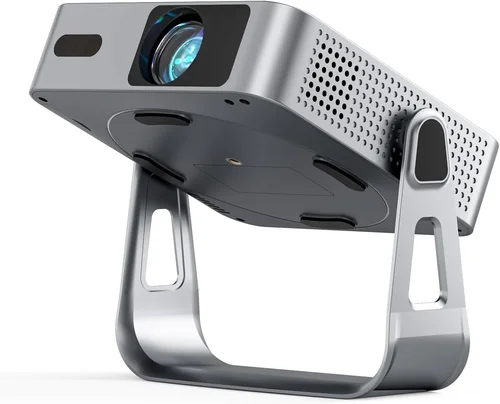
Best for Budget‑Conscious Buyers: ViewSonic M1+ – $149, native 1080p, 2,200 lumens, built‑in Harman Kardon speakers, and a sleek portable design.
Best Overall Value: BenQ TH585 – $179, 3,200 lumens, 10,000:1 contrast, 16 ms input lag, and a sports‑mode picture preset.
Best Premium Option (still under $200): Optoma GT5600 – $199, short‑throw 0.9:1, 3,500 lumens, LED light source, and 4K‑Ready upscaling for future‑proofing.
Best for Beginners: Epson Home Cinema 1060 – $159, easy‑setup wizard, auto‑keystone, and a user‑friendly remote.
Best for Advanced Users: Vankyo Leisure 530 – $189, offers lens shift, dual HDMI, and a customizable color wheel for calibrated setups.
Conclusion: Making the Right Choice
Choosing a native 1080p projector under $200 boils down to balancing resolution, brightness, and extra features against your specific viewing environment. Prioritize true 1080p chips, adequate lumens for your room’s lighting, and low input lag if you game. Leverage the brand reputation, warranty, and user feedback to avoid hidden pitfalls.
Armed with the factors, comparison tables, and expert tips in this guide, you’re ready to shop with confidence. Remember: the best projector is the one that fits your space, meets your performance needs, and stays within your budget. Happy viewing!