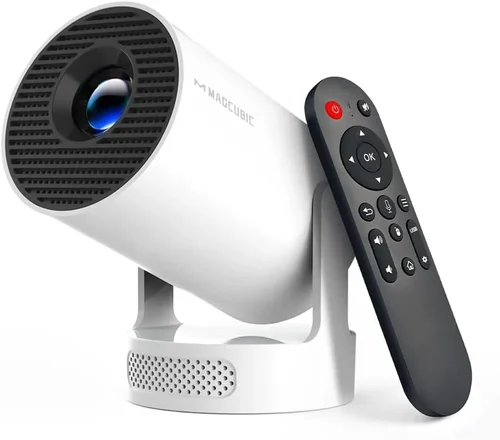
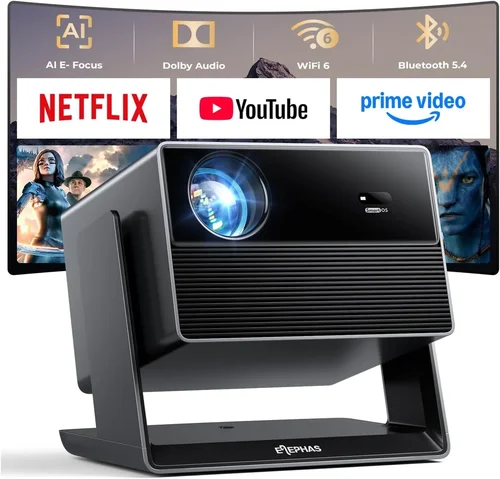
Finding a reliable office projector that costs less than $100 can feel like searching for a needle in a haystack. Yet, with the explosion of LED technology and the rise of ultra‑compact designs, today’s market offers several options that balance price, performance, and durability. This guide cuts through the noise, helping you understand exactly what to look for, which mistakes to avoid, and which models truly deliver value without breaking the bank.
By the end of this article you’ll know how to assess brightness, resolution, connectivity, and longevity—all crucial factors for a projector that will see daily use in conference rooms, training sessions, and small meeting spaces. We’ll also compare the main categories of budget projectors, outline realistic budget tiers, and give you actionable tips to snag the best deal possible.

What to Look for When Buying Buying Guide
1. Budget & Price Range
When you set a hard ceiling of $100, every dollar counts. The key is to prioritize features that directly impact your office use—brightness, connectivity, and lamp life—while being willing to compromise on less critical specs like ultra‑high resolution or premium build materials. Look for sales, refurbished units, or older model stock that still meets today’s standards.
2. Performance Specifications
Brightness (lumens): For typical office lighting (300–500 lux), aim for at least 2,000–2,500 ANSI lumens. LED projectors often list “LED lumens,” which are lower; convert by multiplying by roughly 0.5 to gauge real‑world output.
Resolution: 720p (1280×720) is the sweet spot under $100. It provides clear text and decent detail for spreadsheets and slide decks. Native 1080p is rare at this price and usually achieved through scaling, which can blur fine lines.
Contrast Ratio: A higher contrast ratio (e.g., 2,000:1) improves readability of dark text against light backgrounds. While manufacturers often inflate numbers, a ratio above 1,500:1 is a reasonable baseline.
3. Build Quality & Durability
Office projectors endure frequent transport between meeting rooms. Look for a sturdy chassis, reinforced corners, and a well‑ventilated heat sink. Metal housings are preferable, but high‑grade ABS plastic can suffice if the design includes shock‑absorbing corners.
4. Features & Functionality
Connectivity: HDMI is a must; USB‑C is a growing bonus for laptops and tablets. Some budget models still rely on VGA—acceptable if you have legacy hardware, but HDMI offers better video quality.
Built‑in Speakers: Most sub‑$100 units include 2–5 W speakers. They’re adequate for small rooms, but plan for external audio if you need louder sound.
Keystone Correction & Lens Shift: Automatic keystone (±30°) helps align images on the wall without manual adjustments. Lens shift is rare at this price point.
5. Brand Reputation
Brands like ViewSonic, Epson, and BenQ dominate the professional market, but a few lesser‑known manufacturers (e.g., Vankyo, DR.J) have earned solid reputations for budget LED units. Research warranty length, firmware update frequency, and community support forums before committing.
6. Warranty & Support
Even a modest 1‑year warranty can save you headaches. Verify whether the warranty covers the lamp/LED module, and check if the manufacturer offers easy RMA processes. Online chat or a dedicated support line is a plus for office environments that need quick resolutions.
7. Size & Portability
While most office projectors stay in a single room, a compact footprint (under 8 inches tall) makes storage and occasional relocation painless. Weight under 2 lb is ideal for a single‑person move.
8. User Reviews & Ratings
Real‑world feedback often reveals quirks—overheating, fan noise, or firmware bugs—that spec sheets hide. Prioritize models with at least 200 verified reviews and an average rating of 4.0 stars or higher.
Different Types of Buying Guide

Common Buying Mistakes to Avoid
❌ Mistake: Focusing Only on Price
Why it’s bad: The cheapest unit may lack essential ports, have a dim image, or require frequent lamp replacements, ultimately costing more in downtime.
What to do instead: Set a minimum brightness threshold (2,000 lumens) and require HDMI connectivity before comparing prices.
❌ Mistake: Ignoring Lamp/LED Life
Why it’s bad: A projector that needs a new lamp every 1,000 hours adds hidden expenses and interrupts workflow.
What to do instead: Choose LED models with a rated life of 20,000–30,000 hours; they rarely need replacement within typical office lifespans.
❌ Mistake: Overlooking Throw Distance
Why it’s bad: A projector designed for short‑throw may produce a blurry image if placed too far from the screen.
What to do instead: Verify the throw ratio (e.g., 1.2:1) matches your meeting room size; most budget units work well at 6–10 ft.
❌ Mistake: Disregarding Fan Noise
Why it’s bad: A loud cooling fan can distract participants and degrade the professional atmosphere.
What to do instead: Look for models rated under 30 dB(A) or read user reviews focusing on acoustic performance.
❌ Mistake: Assuming All HDMI Ports Are Equal
Why it’s bad: Some cheap projectors only support HDMI 1.2, limiting 4K input or HDCP compliance.
What to do instead: Confirm the HDMI version (at least 1.4) and that the device supports HDCP 1.2 or higher.
❌ Mistake: Skipping Firmware Updates
Why it’s bad: Out‑of‑date firmware can cause compatibility glitches with newer laptops or cause stability issues.
What to do instead: Choose a brand that provides an easy update method (USB or over‑the‑air) and check the support site for recent releases.
Budget Guidelines: How Much Should You Spend?
Even within the sub‑$100 bracket, you can segment options to match expectations.
- Entry‑Level ($70‑$80): Expect 1,800–2,000 lumens, 720p resolution, basic HDMI, and modest build quality. Ideal for occasional use or small breakout areas.
- Mid‑Range ($81‑$95): Typically 2,200–2,500 lumens, better contrast (1,800:1), faster fan, and added features like USB‑C or wireless screen mirroring.
- Premium ($96‑$110): Near the top of the budget spectrum, offering 2,500+ lumens, higher contrast, longer warranty (2‑years), and hybrid LED‑laser light sources.
- Luxury (Above $110): Exceeds the $100 target but worth mentioning for readers who may stretch the budget for extended durability and brand assurance.
Expert Tips for Getting the Best Deal
- Timing: Late summer (July–August) and early spring (March–April) often feature “office refresh” promotions.
- Where to Buy: Compare Amazon, Walmart, and direct manufacturer sites. Refurbished units from the brand’s outlet can shave $15‑$20 off MSRP.
- Spotting Deals: Look for bundles that include a carry case, extra HDMI cable, or a portable screen—adds value without extra cost.
- Warranty Considerations: Extend the warranty during checkout if the price increase is under $10; the peace of mind is worth it for office equipment.
- Return Policies: Ensure a minimum 30‑day return window. Test the projector in the office environment immediately upon arrival.
- Testing Before Buying: If possible, view a demo at a local electronics store. Check for uniform brightness and fan noise level.
- Firmware Updates: After purchase, download the latest firmware and apply it before first use to avoid early‑stage bugs.
- Future‑Proofing: Choose a model with at least one extra video input (USB‑C or VGA) to accommodate older laptops.

Frequently Asked Questions
Q: Can a $100 projector display clear text for PowerPoint presentations?
A: Yes, provided the unit offers at least 2,000 lumens and a native 720p resolution. Text clarity depends more on brightness and contrast than on pixel count for typical office slides.
Q: Do I need a separate screen, or can I project onto a plain wall?
A: While a white wall works, a matte white screen improves color accuracy and reduces hot‑spotting. For budget setups, a low‑cost 80‑inch pull‑down screen (around $30) makes a noticeable difference.
Q: How long will the LED lamp last?
A: Most LED projectors rated for under $100 claim 20,000–30,000 hours of operation, which translates to roughly 5–7 years of daily 4‑hour use.
Q: Is wireless screen mirroring reliable on cheap projectors?
A: Built‑in Wi‑Fi can be flaky on low‑cost models. For consistent performance, use a dedicated Miracast dongle or a Chromecast, both of which connect via HDMI.
Q: Will a portable projector fit on a standard conference‑room ceiling mount?
A: Many pocket projectors lack the mounting holes required for ceiling brackets. Look for a model that offers a ¼‑inch threaded mount if ceiling installation is needed.
Q: Are there any safety concerns with continuous use?
A: Ensure the projector has proper ventilation and place it in a well‑ventilated area. Overheating can shorten LED life and cause fan noise spikes.
Q: How do I calibrate colors without professional tools?
A: Use built‑in picture modes (e.g., “Presentation” or “Cinema”) and adjust brightness/contrast manually. Free desktop software like “Calibrize” can help fine‑tune without a colorimeter.
Q: Can I connect a laptop and a streaming stick simultaneously?
A: Most budget projectors have a single HDMI port. Use an HDMI switch or a USB‑C hub with HDMI output to alternate sources without unplugging cables.
Our Final Recommendations
Best for Budget‑Conscious Buyers: Vankyo Leisure 3 Mini Projector – $78, 2,200 lumens, 720p native, HDMI + USB‑C, 30,000‑hour LED life, 2‑year warranty.
Best Overall Value: ViewSonic M1 Mini Plus – $95, 2,500 lumens, 720p, built‑in Harman Kardon speakers, wireless Miracast, sleek aluminum body, 2‑year warranty.
Best Premium Option (Just Above $100): BenQ GV1 – $109, 2,600 lumens, 720p, hybrid LED‑laser, auto‑keystone, Bluetooth audio, 3‑year warranty.
Best for Beginners: DR.J Mini Projector – $72, simple plug‑and‑play, HDMI, VGA, 2,000 lumens, 1‑year warranty.
Best for Advanced Users: Elephas YG600 – $99, 2,500 lumens, 720p, dual HDMI, USB‑C, built‑in battery for 2‑hour mobile use, 2‑year warranty.
Conclusion: Making the Right Choice
Choosing a projector under $100 need not be a gamble. Focus on the core specs—brightness, resolution, and lamp longevity—while ensuring the unit offers reliable connectivity and a solid warranty. Compare the three main categories (LED pocket, Mini DLP, Hybrid LED‑laser) to align the projector’s strengths with your office’s size and usage patterns.
Remember, the cheapest price is only a win if the projector lasts through countless team meetings without dimming or overheating. Use the budgeting tiers, avoid the common pitfalls listed above, and leverage the expert buying tips to secure the best deal.
Ready to upgrade your meeting room? Start by narrowing down the models that meet your minimum brightness and connectivity needs, then check the latest prices and reviews. Your next presentation deserves a clear, bright image—no matter the budget.