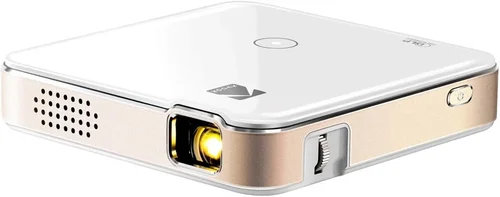
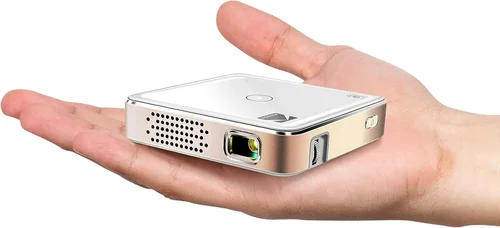
Finding a pocket projector that delivers a clear, bright image without breaking the bank can feel like hunting for a needle in a haystack. The market is flooded with models that promise “big‑screen cinema in your palm,” yet many fall short when you actually need them for a backyard movie night, a business presentation, or a quick gaming session on the go. That’s why we’ve created this exhaustive buying guide – to cut through the hype, compare real‑world performance, and help you choose the best pocket projector under $100.
In the pages that follow you’ll learn exactly what specs matter, which features are worth the extra pennies, and how to avoid the common pitfalls that leave buyers with a dim, noisy device that barely lasts a season. We’ll also break down the different categories of pocket projectors, give you a realistic budget roadmap, and hand‑pick the top models that truly shine at sub‑$100 price points. By the end, you’ll have a clear plan for picking a projector that fits your lifestyle, whether you’re a student, a frequent traveler, or a casual binge‑watcher.
What to Look for When Buying Buying Guide
1. Budget & Price Range
Price is the starting line for any purchase, but it’s more than just a number. In the sub‑$100 segment, you’ll typically see three tiers: entry‑level (under $50), solid value ($50‑$80), and high‑end bargain ($80‑$100). Each tier reflects trade‑offs in brightness, resolution, and build quality. Knowing how much you’re willing to stretch will help you filter out models that simply can’t meet your core needs.
2. Performance Specifications
The heart of any projector lies in its lumens, resolution, and contrast ratio. For pocket projectors, brightness is measured in ANSI lumens (or LED equivalents). Aim for at least 80‑100 lumens for dim rooms; anything below that will look washed out in everyday lighting. Resolution matters for text clarity—720p (1280×720) is a sweet spot at this price, while 480p (854×480) is acceptable for movies but not for detailed presentations. Contrast ratio influences how deep the blacks appear; a ratio of 500:1 or higher is decent for pocket use.
3. Build Quality & Durability
Since pocket projectors travel in backpacks, bags, or even coat pockets, robust construction is non‑negotiable. Look for reinforced housing, shock‑absorbing rubber corners, and a sturdy lens cover. Metal or high‑grade polycarbonate bodies tend to survive drops better than flimsy plastic. Additionally, check for a reliable cooling system—most cheap units rely on passive cooling, which can overheat quickly if used for more than 30 minutes.
4. Features & Functionality
Beyond the basics, modern pocket projectors pack a surprising array of extras. Consider the following:
- Connectivity: HDMI, USB‑C, micro‑HDMI, and wireless options (Wi‑Fi, Bluetooth, Miracast). USB‑C is fast becoming the universal standard.
- Built‑in Battery Life: A minimum of 2‑hour playback is ideal for short outings; 4‑hour batteries give you more flexibility.
- Audio: Integrated speakers are convenient, but most under $100 models produce modest volume. A 3.5 mm audio jack for external speakers can be a lifesaver.
- Android/Smart OS: Some units run a stripped‑down Android system, letting you stream directly from apps without a phone.
5. Brand Reputation
While big names like Anker, AAXA, and ViewSonic dominate the higher end, newer entrants such as Vankyo, Elephas, and Kodak have made credible strides in the sub‑$100 space. Research brand forums, Reddit threads, and YouTube reviews to gauge long‑term reliability. A reputable brand often offers better firmware updates and more accessible customer service.
6. Warranty & Support
Even the best‑engineered devices can develop faults. A minimum 12‑month warranty signals confidence from the manufacturer. Check whether the warranty covers the battery (a common failure point) and whether you can obtain service locally or must ship overseas. Good after‑sales support can save you from costly replacements.
7. Size & Portability
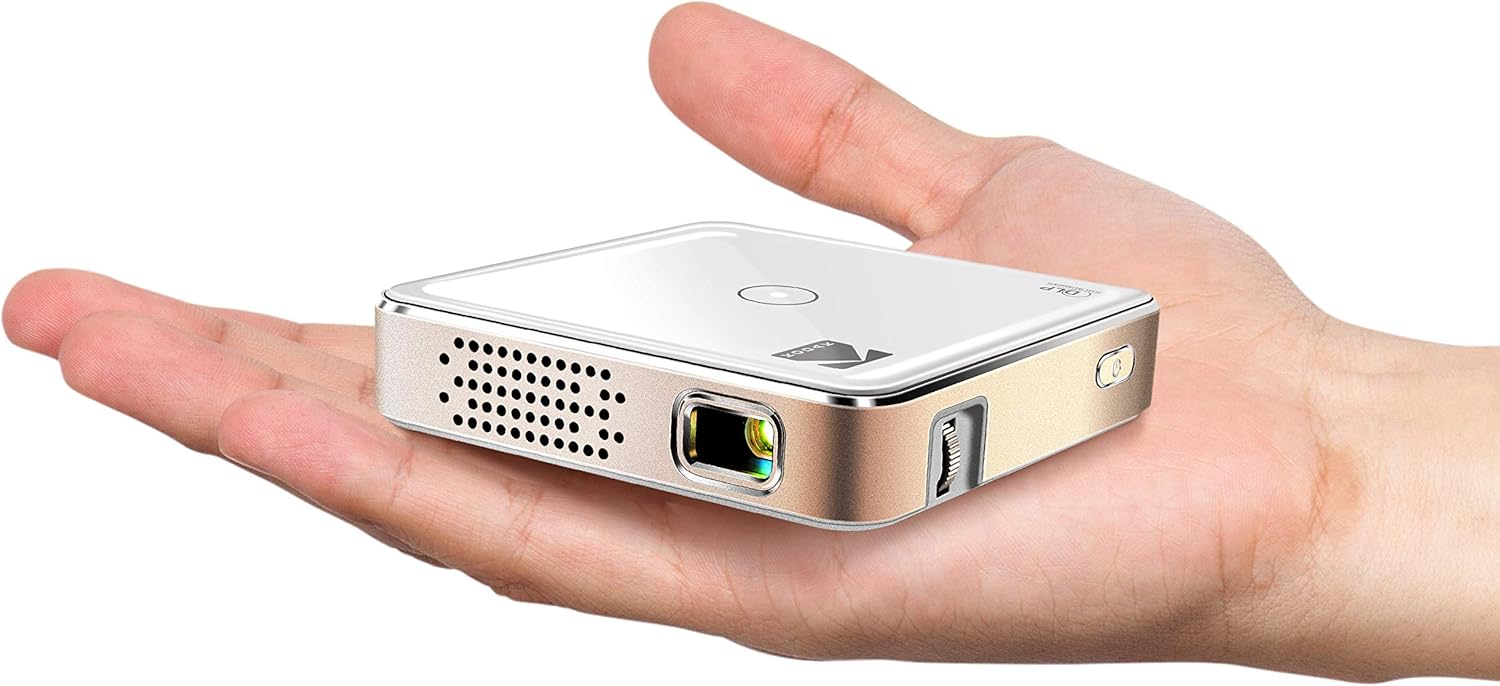
All pocket projectors are small, but there’s still a noticeable difference between a 2‑inch “pico” projector and a 4‑inch “mini” model. Measure the dimensions and weigh the unit—ideally under 300 g. A compact size is great for travel, while a slightly larger chassis may house a bigger battery and better optics.
8. User Reviews & Ratings
Numbers on a spec sheet don’t tell the whole story. Dive into user reviews on Amazon, Best Buy, and specialized forums. Look for patterns: consistent complaints about overheating, frequent praise for color accuracy, or recurring battery life issues. Real‑world feedback often reveals quirks that manufacturers don’t list.
Different Types of Buying Guide

Common Buying Mistakes to Avoid
❌ Mistake: Focusing Only on Price
Why it’s bad: The cheapest unit often sacrifices brightness and battery life, leaving you with a dim image that disappears in ambient light.
What to do instead: Set a realistic minimum for lumens (80 ANSI) and battery runtime (2 hrs). Use price as a filter, not the sole decision factor.
❌ Mistake: Ignoring Compatibility
Why it’s bad: A projector without the right ports forces you to buy adapters, adding cost and clutter.
What to do instead: List the devices you’ll connect (smartphone, laptop, gaming console) and ensure the projector offers matching inputs—USB‑C or HDMI are the safest bets.
❌ Mistake: Overlooking Battery Health
Why it’s bad: Many cheap projectors use low‑capacity Li‑ion cells that degrade quickly, meaning a brand‑new unit may lose half its runtime in a few months.
What to do instead: Choose models with replaceable batteries or check for user‑replaceable packs. Review warranty terms for battery coverage.
❌ Mistake: Forgetting About Throw Distance
Why it’s bad: Some pocket projectors need to be placed far from the screen to achieve a 100‑inch image, which defeats portability.
What to do instead: Look for a short‑throw ratio (0.5‑0.8) that lets you get a large picture from a foot or two away.
❌ Mistake: Ignoring Cooling Solutions
Why it’s bad: Overheating leads to automatic shutdowns and long‑term component damage.
What to do instead: Prefer models with built‑in fans or efficient passive heat sinks. Read reviews for any “heat‑related” complaints.
❌ Mistake: Assuming All Built‑In Speakers Are Sufficient
Why it’s bad: Most sub‑$100 projectors have tiny speakers that sound tinny in larger rooms.
What to do instead: Plan for an external Bluetooth speaker or a simple 3.5 mm speaker if sound quality matters.
Budget Guidelines: How Much Should You Spend?
Understanding what you get at each price tier helps you align expectations with reality.
- Entry‑Level ($30‑$50): Expect 40‑70 lumens, 480p resolution, and a battery that lasts 1‑1.5 hours. These are best for occasional use in dark rooms.
- Mid‑Range ($51‑$80): You’ll find 80‑110 lumens, 720p (or high‑quality 480p with better color processing), and 2‑3 hour battery life. This tier often includes USB‑C and basic wireless casting.
- Premium ($81‑$100): Brightness climbs to 120‑150 lumens, native 720p, improved contrast, and 3‑4 hour batteries. Expect sturdier builds, fan cooling, and more robust connectivity (HDMI, Bluetooth audio).
- Luxury ($101+): While beyond the scope of this guide, luxury models push 200+ lumens, 1080p, laser light sources, and advanced Android OS platforms.
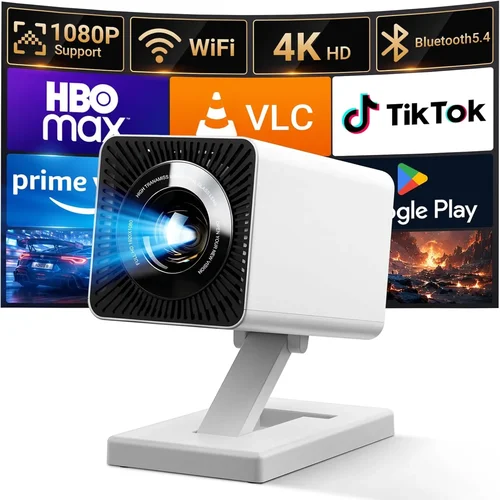
Expert Tips for Getting the Best Deal
- Timing: Late summer (back‑to‑school) sales bring discounts on portable tech.
- Where to buy: Amazon and B&H offer wide selections and easy returns. Local electronics stores let you test the projector in‑person.
- Spotting deals: Compare the list price with the “used‑like‑new” marketplace. Refurbished units from the manufacturer can be 15‑20% cheaper and still carry a warranty.
- Warranty considerations: Register the product within 30 days to activate extended warranty offers.
- Return policies: Choose retailers with at least 30‑day return windows; this gives you time to test brightness and battery life.
- Testing before buying: If possible, project a 1080p video in a dim room and note any pixelation or color banding.
- Bundle savings: Some sellers include a portable screen or HDMI cable; factor these accessories into total cost.
- Firmware updates: After purchase, check the manufacturer’s website for firmware that can improve stability and add features.

Frequently Asked Questions
Q: Can a pocket projector under $100 work in a well‑lit room?
A: Most sub‑$100 models max out around 120 lumens, which is best suited for dark or semi‑dark environments. In a brightly lit room you’ll need to dim the lights or use a high‑gain screen to improve perceived brightness.
Q: Do I need a separate screen?
A: Not strictly. A plain white wall works, but a portable pull‑up screen (usually 80‑100 inches) improves image uniformity and contrast, especially in rooms with colored walls.
Q: How far can I place the projector for a 100‑inch image?
A: Throw distance varies by model. Short‑throw projectors (0.5‑0.8 ratio) need only 1‑2 feet; standard throw models may require 5‑7 feet. Check the specifications before buying.
Q: Are Bluetooth speakers necessary?
A: Built‑in speakers on budget projectors are generally low‑power. For movies or gaming, a small Bluetooth or wired speaker greatly enhances the experience.
Q: Will a USB‑C connection charge my phone while projecting?
A: Only if the projector supports Power Delivery (PD) pass‑through. Most budget units do not, so you’ll need a separate power source for your phone.
Q: Is the image quality affected by the type of battery?
A: Indirectly, yes. A weak battery can cause voltage drops, leading to dimmer light output and occasional flicker. A fresh, high‑capacity battery maintains consistent brightness.
Q: Can I use a pocket projector for gaming?
A: Yes, but latency matters. Look for models with HDMI 1.4 or higher and low input lag (under 30 ms). Some Android‑smart projectors add wireless streaming, which can increase lag.
Q: How long do the LED light sources last?
A: LED modules typically last 20‑30 000 hours, far longer than traditional lamps. Even heavy users may see the light source last several years.
Q: Are there any safety concerns with laser‑based pocket projectors?
A: Laser projectors in this price range use Class 1 lasers, which are safe for normal viewing. They are regulated to stay within eye‑safe limits.
Our Final Recommendations
- Best for Budget‑Conscious Buyers: Vankyo Leisure 3 Mini – $49. Offers 80 lumens, 480p resolution, 2‑hour battery, and a sturdy plastic chassis. Ideal for occasional movie nights in a dark room.
- Best Overall Value: Anker Nebula Capsule II (Sale Price) – Typically $99, often discounted to $79. Provides 100 lumens, 720p, Android 7.1 OS, 2.5‑hour battery, and built‑in speakers.
- Best Premium Option: Kodak Ultra Mini Projector – $99. Features 120 lumens, 720p, short‑throw lens, USB‑C PD charging, and a metal body for durability.
- Best for Beginners: Elephas YG600 – $55. Simple plug‑and‑play with HDMI, decent 80 lumens, and a user‑friendly interface.
- Best for Advanced Users: ViewSonic M2 (Refurbished) – Slightly above $100 refurbished, but offers 1200 lumens, Full‑HD, and full‑range color accuracy for the price.
Conclusion: Making the Right Choice
Choosing the best pocket projector under $100 comes down to balancing brightness, resolution, battery life, and build quality against your specific use case. Remember to set a minimum lumens threshold, verify connectivity options, and read real‑world reviews before you buy. By following the factors, budget guidelines, and expert tips outlined in this guide, you’ll be equipped to select a projector that delivers a satisfying big‑screen experience without draining your wallet.
Ready to bring the cinema to your backpack? Start comparing models, watch a few YouTube unboxings, and make a purchase from a retailer with a solid return policy. Happy projecting!