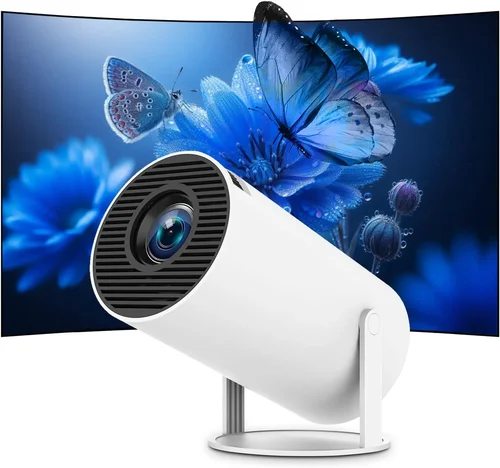
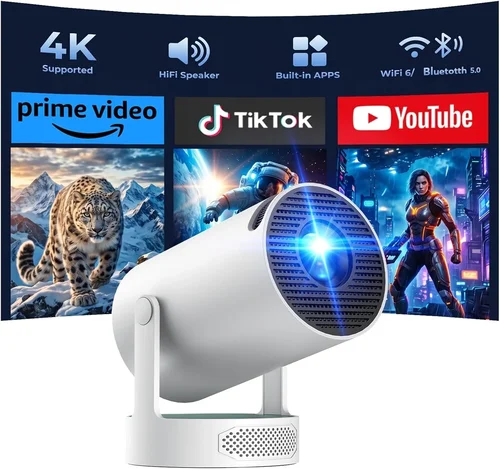
Finding a projector that you can toss in a backpack, hook up to your phone, and still get a crisp, bright image can feel like hunting for a needle in a haystack. The market is flooded with options, and the price tags can range from a few dozen dollars to several thousand. That’s why this guide is essential: it cuts through the noise, explains what truly matters, and points you toward the best portable projectors under $300 that actually deliver on performance.
In the next few minutes you’ll learn how to evaluate brightness, resolution, battery life, and connectivity without getting lost in technical jargon. We’ll also compare the main categories of portable projectors, flag common pitfalls, and give you a clear budget roadmap. By the end, you’ll be equipped to choose a projector that fits your lifestyle—whether you’re a weekend camper, a home‑theater enthusiast on a budget, or a business professional who needs a reliable on‑the‑go presentation tool.

What to Look for When Buying Buying Guide
1. Budget & Price Range
Price is the first filter for most shoppers. Under $300, you’ll find a sweet spot where basic performance meets affordability. However, cheaper models often compromise on brightness or battery life, while the higher end of the range may include features like built‑in speakers or Android OS. Decide how much you’re willing to spend and what you expect in return. A $150 projector might be perfect for occasional movie nights, but a $280 unit could be more suitable for daytime presentations.
2. Brightness (Lumens)
Brightness, measured in ANSI lumens, determines how well the image will appear in ambient light. For true portability, aim for at least 200–250 lumens. Anything lower will struggle in rooms with any daylight. If you plan to use the projector outdoors or in bright conference rooms, consider models that push 300+ lumens, even if they sit near the top of the $300 ceiling.
3. Resolution
Resolution defines the sharpness of the projected image. Most budget portable projectors offer 720p (1280×720) or 1080p (1920×1080) native resolution. While 720p can be acceptable for casual viewing, a true 1080p projector provides noticeably clearer text and detail—crucial for presentations or gaming. Keep in mind that many devices upscale lower‑resolution content, so native resolution matters most for source material.
4. Battery Life & Power Options
One of the biggest draws of portable projectors is the ability to go unplugged. Look for built‑in batteries that last at least 2–3 hours of continuous playback. Some units also support USB‑C power‑bank charging, which adds flexibility. If you frequently project in locations without power, prioritize battery capacity over extra features.
5. Connectivity
Modern projectors need to talk to smartphones, laptops, and streaming sticks. HDMI (mini or micro), USB‑C, and wireless options like Wi‑Fi or Bluetooth are common. HDMI gives the most reliable connection, while Wi‑Fi Miracast or AirPlay adds convenience for iOS and Android users. Verify that the projector you choose supports the devices you own.
6. Build Quality & Durability
Portable gear gets tossed around, so a sturdy chassis is vital. Look for projectors with metal or high‑grade polycarbonate housings, reinforced lens covers, and rubberized corners. Some models are rated IPX4 for splash resistance—handy for outdoor picnics. A solid build ensures the unit survives drops and travel wear.
7. Features & Functionality
Extra features can elevate the experience. Built‑in speakers are convenient, though they rarely replace external audio for movies. Some projectors run Android OS, letting you stream directly from apps without a dongle. Keystone correction (manual or automatic) helps align the image on uneven surfaces, while a short‑throw lens lets you project a large screen from a few feet away.
8. Brand Reputation & Warranty
Established brands tend to offer better firmware updates and customer service. Check online forums and review sites for recurring issues. A minimum one‑year warranty is standard; longer coverage can save money on accidental damage repairs.
Different Types of Buying Guide

Common Buying Mistakes to Avoid
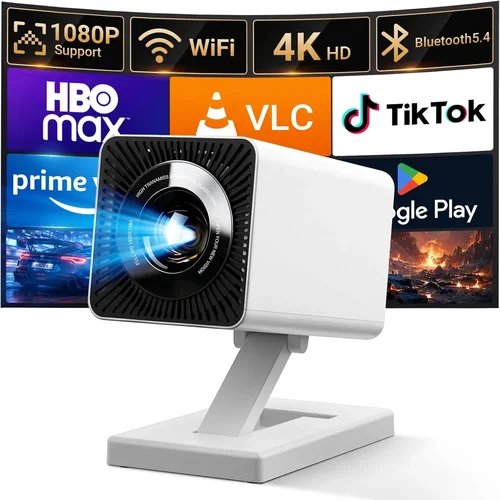
❌ Mistake: Ignoring Ambient Light Conditions
Why it’s bad: Choosing a low‑lumens projector for a bright living room results in a washed‑out picture that frustrates viewers.
What to do instead: Measure the typical lighting where you’ll use the projector and aim for at least 200 lumens for dim rooms and 300+ lumens for brighter spaces.
❌ Mistake: Overlooking Native Resolution
Why it’s bad: Upscaling 720p content on a 1080p projector can look blurry, especially for text-heavy presentations.
What to do instead: Match the projector’s native resolution to your source material. If you watch a lot of Full‑HD movies, prioritize a 1080p model.
❌ Mistake: Forgetting Battery Life
Why it’s bad: Running out of power mid‑movie or mid‑presentation is a deal‑breaker.
What to do instead: Check the manufacturer’s claim for continuous playback and read user reviews for real‑world battery performance.
❌ Mistake: Assuming All HDMI Ports Are the Same
Why it’s bad: Some mini‑HDMI ports only support 720p or lack audio pass‑through.
What to do instead: Verify the HDMI version and whether it carries both video and audio. Consider a model with a full‑size HDMI for flexibility.
❌ Mistake: Neglecting Warranty & Support
Why it’s bad: A defective lamp or battery can render the projector useless, and repairs can be costly.
What to do instead: Choose brands that offer at least a one‑year warranty and have a responsive support channel.
Budget Guidelines: How Much Should You Spend?
Understanding what you get at each price tier helps you set realistic expectations.
- Entry-Level ($120‑$170): Expect 200 lumens, 720p resolution, basic HDMI, and a small built‑in battery (1‑1.5 hrs). Ideal for occasional movie nights in dark rooms.
- Mid‑Range ($170‑$250): Brightness rises to 250‑300 lumens, many units jump to native 1080p, and battery life improves to 2‑3 hrs. You’ll also find keystone correction and better speakers.
- Premium ($250‑$300): Full‑HD or even 4K‑enhanced projectors, 300+ lumens, Android OS, and robust batteries (3‑4 hrs). These models often include short‑throw lenses.
- Luxury ($300+): While outside the scope of this guide, luxury units push 400+ lumens, true 4K, laser light sources, and premium build quality.
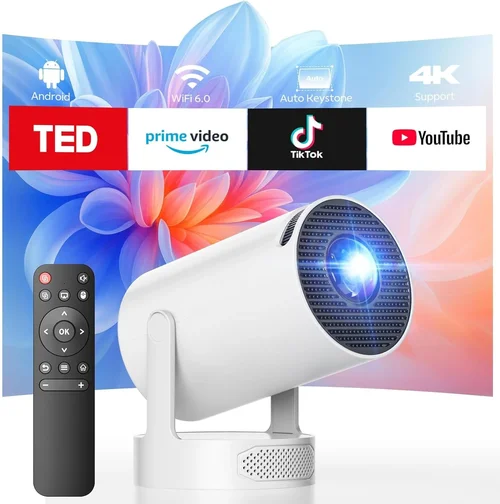
Expert Tips for Getting the Best Deal
- Timing: New models typically launch in spring; older inventory drops in late summer.
- Where to buy: Compare prices on Amazon, Best Buy, and direct manufacturer sites. Brick‑and‑mortar stores let you test the picture before buying.
- Spotting deals: Look for bundle offers that include a screen, HDMI cable, or portable power bank.
- Warranty considerations: Register your product immediately to activate extended warranty options.
- Return policies: Choose retailers with at least 30‑day return windows; this gives you time to test in real conditions.
- Testing before buying: Bring a laptop or phone to the store and project a high‑resolution video to gauge brightness and focus.

Frequently Asked Questions
Q: Can I use a portable projector outdoors during daylight?
A: Only if the unit offers 300+ lumens and a high‑contrast ratio. Even then, a shaded area or a portable screen will dramatically improve visibility.
Q: Do I need a separate sound system?
A: Built‑in speakers are convenient but usually under 5 W RMS. For movies or games, pairing the projector with Bluetooth headphones or a small portable speaker yields better audio.
Q: How far should I place the projector for a 100‑inch image?
A: It depends on the throw ratio. Short‑throw models can achieve 100 inches from 3‑4 ft, while standard throw units need 8‑10 ft. Check the specifications before buying.
Q: Is a higher contrast ratio more important than brightness?
A: Both matter, but for portable use in varied lighting, brightness usually trumps contrast. A projector with 250 lumens and a 2000:1 contrast ratio will look better in dim rooms than a 300‑lumens unit with 500:1.
Q: Can I stream Netflix directly?
A: Only Android‑based or Wi‑Fi‑enabled projectors with the Netflix app installed can stream directly. Otherwise, use a streaming stick (Roku, Fire TV) via HDMI.
Q: How long do the lamps last?
A: LED and laser light sources in budget portable projectors typically last 20,000‑30,000 hours, effectively outlasting the device’s useful life.
Q: Is a remote control necessary?
A: Not strictly, but a remote simplifies navigation, especially when the projector is mounted or placed out of reach.
Our Final Recommendations
- Best for Budget‑Conscious Buyers: Vankyo Leisure 3 Mini – 200 lumens, 720p, 2‑hour battery, under $150.
- Best Overall Value: Anker Nebula Capsule II – 200 lumens, 720p, Android 7.1, 2.5‑hour battery, excellent speaker, $279.
- Best Premium Option: ViewSonic M2 – 1200 lumens, Full‑HD, short‑throw, Wi‑Fi, 2‑hour battery, $299.
- Best for Beginners: ELEPHAS YG600 – Simple UI, HDMI, 250 lumens, 3‑hour battery, $169.
- Best for Advanced Users: BenQ GS2 – 200 lumens, 1080p, Android OS, splash‑proof, 3‑hour battery, $299.
Conclusion: Making the Right Choice
Choosing the best portable projector under $300 hinges on balancing brightness, resolution, battery life, and connectivity with your specific use case. By assessing the environment where you’ll project, understanding the importance of native resolution, and avoiding common pitfalls, you can select a device that feels like a natural extension of your media setup.
Remember: the most expensive model isn’t always the best for you. Focus on the features that truly matter—whether that’s a long‑lasting battery for camping trips or a short‑throw lens for cramped apartments. Use the budget guidelines and expert tips above to hunt for deals, test the unit whenever possible, and protect your purchase with a solid warranty.
Now that you’re armed with knowledge, go ahead and explore the options. Your next movie night, presentation, or gaming session is just a projection away.