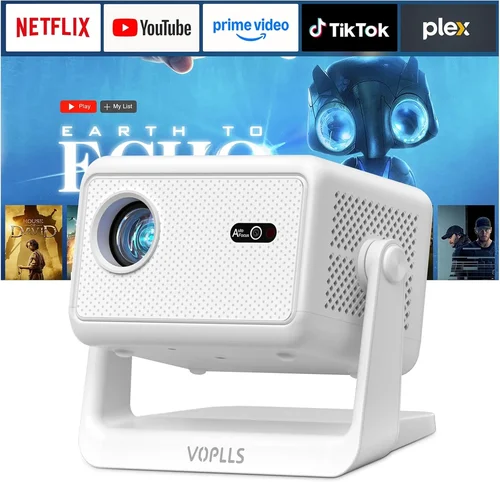
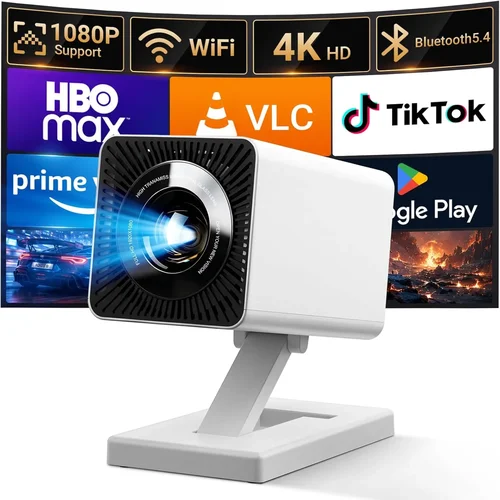
Welcome to the ultimate guide for anyone hunting the best portable projector under $400. Whether you’re a digital nomad who wants to stream movies on a hotel wall, a parent looking for a kid‑friendly home‑cinema solution, or a small‑business owner needing a quick presentation tool, this article will walk you through every decision point. The portable projector market exploded in the last few years, and today you can find devices that rival mid‑range home theater units—yet still fit in a backpack and cost less than a high‑end tablet. By the end of this guide you’ll know exactly what specs matter, which models dominate each price tier, and how to avoid the common pitfalls that leave shoppers disappointed.
In the next several sections we’ll break down the most important factors—brightness, resolution, battery life, and more—while also comparing the main types of projectors that fall under the $400 ceiling. You’ll get a clear budget breakdown, expert tips for snagging the best deals, and a concise FAQ that answers the questions you probably haven’t even thought to ask yet. Let’s get started.

What to Look for When Buying Buying Guide
1. Budget & Price Range
Price is the most obvious filter, but it’s also a proxy for the technology inside the projector. Under $400 you’ll typically find devices that use LED or laser light sources, which offer longer lifespans than traditional lamps but may sacrifice peak brightness. Knowing your exact budget helps you set realistic expectations—spending $150 will likely land you a 200‑lumens unit good for dark rooms, while $350 can get you a 300‑lumens projector with full HD (1080p) support. Always factor in optional accessories (portable screens, mounting kits, extra batteries) when planning your spend.
2. Performance Specifications
The heart of any projector is its performance specs. The three most critical numbers are:
- Brightness (lumens): Measured in ANSI lumens, this tells you how well the image will stand up to ambient light. For portable use in dim rooms, 200‑300 lumens is adequate; for brighter environments aim for 350+ lumens.
- Resolution: Native resolution determines sharpness. Most budget models cap at 720p, but a growing handful now deliver true 1080p. Higher resolution is essential for text-heavy presentations and detailed movies.
- Contrast Ratio: This indicates the depth between the darkest black and brightest white. Look for a ratio of at least 2,000:1 for decent black levels.
Don’t be fooled by “upscaled” claims—if a projector’s native resolution is 720p, an advertised 1080p label is just marketing fluff.
3. Build Quality & Durability
Portability means you’ll be moving the unit often, so a sturdy chassis is non‑negotiable. Aluminum bodies or reinforced polycarbonate shells resist dents and drops. Check for protective rubberized corners and a secure lens cover. If you travel internationally, consider a model with a built‑in voltage regulator or a dual‑voltage power supply.
4. Features & Functionality
Modern portable projectors pack a surprising amount of functionality:
- Wireless Connectivity: Wi‑Fi, Bluetooth, or Miracast let you stream from phones, tablets, or laptops without cables.
- Built‑in Speakers: While most budget units have modest 2‑5 W speakers, they’re sufficient for casual viewing. For louder audio, plan to connect external speakers.
- Battery Life: Integrated lithium‑ion packs range from 1.5 to 4 hours. Higher capacity batteries add weight, so weigh runtime against portability.
- Keystone Correction & Focus: Automatic keystone and motorized focus simplify setup, especially when projecting from odd angles.
5. Brand Reputation
Established brands such as Anker, ViewSonic, Epson, and BenQ often provide more reliable firmware updates and better customer service. Newer entrants like Vankyo or AAXA can surprise with great value, but research their track record for durability and software support before committing.
6. Warranty & Support
A solid warranty—ideally 2 years—covers premature LED failure, which can happen even with reputable manufacturers. Look for easy RMA processes, responsive online chat, and a clear list of what’s excluded (often accidental damage).
7. Size & Portability (if applicable)
True pocket‑size projectors measure under 5 inches in length and weigh less than 1 lb. If you need to fit the device in a laptop bag, prioritize compact dimensions over extra features like a larger battery.
8. User Reviews & Ratings
Real‑world feedback reveals the quirks you won’t find in spec sheets. Pay attention to recurring themes—e.g., “overheats after 30 minutes” or “Bluetooth latency is noticeable.” Cross‑reference Amazon, B&H, and specialized AV forums for a balanced view.
Different Types of Buying Guide

Common Buying Mistakes to Avoid
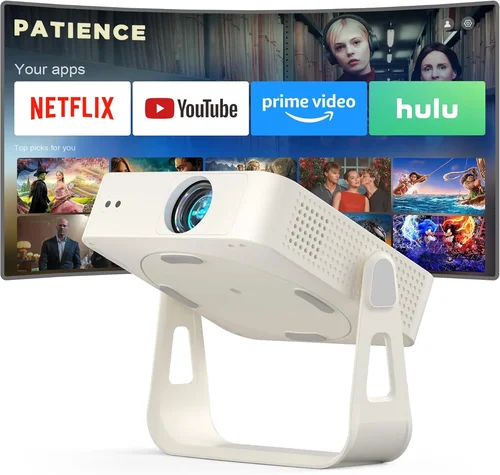
❌ Mistake: Ignoring Ambient Light Conditions
Why it’s bad: Buying a 200‑lumens projector for a well‑lit living room will result in a washed‑out image that’s hard to see.
What to do instead: Measure typical lighting in your intended space. If you can’t control ambient light, aim for at least 300‑350 lumens.
❌ Mistake: Over‑focusing on Resolution Alone
Why it’s bad: A 1080p projector with 150 lumens will look blurry in most rooms, negating the resolution advantage.
What to do instead: Balance resolution with brightness and contrast. For most portable uses, 720p with 300+ lumens often delivers a better overall picture.
❌ Mistake: Forgetting Battery Life Requirements
Why it’s bad: Running out of power mid‑movie or mid‑presentation is embarrassing and disrupts flow.
What to do instead: Estimate average usage time and choose a model with at least 20‑30% more runtime than your typical session.
❌ Mistake: Neglecting Connectivity Options
Why it’s bad: A projector with only HDMI may force you to carry extra adapters or limit streaming from mobile devices.
What to do instead: Prioritize models with Wi‑Fi, Bluetooth, or Miracast if you plan to stream directly from smartphones.
❌ Mistake: Assuming All Built‑In Speakers Are Sufficient
Why it’s bad: Cheap speakers often produce tinny sound, making movie nights feel underwhelming.
What to do instead: Test the speaker volume in a real environment or budget for portable Bluetooth speakers.
❌ Mistake: Skipping Firmware Updates
Why it’s bad: Out‑of‑date firmware can cause incompatibility with new streaming apps or cause stability issues.
What to do instead: Choose brands that provide regular OTA updates and check the support page before purchase.
Budget Guidelines: How Much Should You Spend?
Understanding what each price tier delivers helps you avoid overspending while still meeting your needs.
- Entry‑Level ($150‑$200): Expect 200‑250 lumens, 720p native resolution, basic HDMI input, and a small (1‑2 hour) battery. Ideal for occasional movie nights in dark rooms.
- Mid‑Range ($200‑$300): Brightness climbs to 300‑350 lumens, many units now offer true 1080p, longer battery life (up to 3 hours), and added wireless streaming. This is the sweet spot for most users.
- Premium ($300‑$400): Laser light sources, 400+ lumens, robust connectivity (Wi‑Fi Direct, Bluetooth audio, USB‑C), and premium build quality. Best for presenters who need reliability and for outdoor enthusiasts.
- Luxury ($400+): Though beyond the scope of this guide, luxury models push into 500+ lumens, 4K upscaling, and integrated smart‑OS platforms.
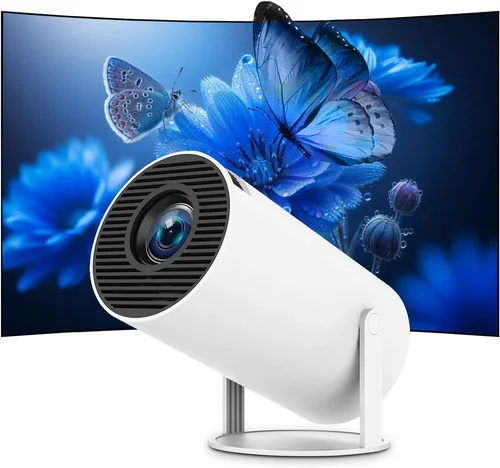
Expert Tips for Getting the Best Deal
- Timing: Late summer (July‑August) sees many “school‑year” promotions. Early January often features post‑holiday clearance.
- Where to buy: Compare Amazon, B&H, and direct manufacturer sites. B&H sometimes bundles a portable screen or extra battery.
- Spotting deals: Look for “refurbished” units with full warranties—these can be 20‑30% cheaper.
- Warranty considerations: Extend the warranty if you travel internationally; a $30 extension can save hours of downtime.
- Return policies: Choose retailers offering at least a 30‑day return window; you’ll want to test the projector in your typical environment.
- Testing before buying: If possible, visit a local electronics store and view a demo on a blank wall. Pay attention to color accuracy and fan noise.
- Accessory bundling: A cheap external Bluetooth speaker can dramatically improve the experience for under $30.

Frequently Asked Questions
Q: Can I use a portable projector outdoors during daylight?
A: It’s possible, but you’ll need a model with at least 400 lumens and a high contrast ratio. Even then, direct sunlight will wash out the image. Best results are achieved in shaded areas or after sunset.
Q: Do I need a separate screen?
A: Not strictly. A smooth white wall works, but a portable pull‑up screen (84‑inch) improves brightness and color uniformity, especially in rooms with colored walls.
Q: How long does the LED lamp last?
A: LED lamps typically last 20,000‑30,000 hours—effectively the lifetime of the projector for most users. This far exceeds traditional lamp life (2,000‑5,000 hours).
Q: Is there a noticeable lag when streaming from a phone?
A: Most Wi‑Fi Direct or Miracast connections introduce 100‑200 ms latency, which is fine for movies but may affect fast‑paced gaming. For gaming, use a wired HDMI adapter.
Q: Can I connect a USB‑C power bank?
A: Many models support USB‑C power input up to 20 V/5 A. A 20,000 mAh power bank can double runtime on compatible units.
Q: Are portable projectors safe for kids?
A: Yes, but keep the projector out of reach of water and ensure the fan vents are not blocked. LED units stay cool, but the lamp area can become warm after extended use.
Q: What is “keystone correction” and do I need it?
A: Keystone correction digitally adjusts a trapezoidal image back to a rectangle when the projector isn’t perfectly perpendicular to the screen. It’s handy for quick setups, but excessive correction can reduce image sharpness.
Q: How do I clean the lens?
A: Use a microfiber cloth and a small amount of lens‑safe cleaning solution. Avoid abrasive materials; a gentle circular motion removes dust without scratching.
Our Final Recommendations
- Best for Budget‑Conscious Buyers: Vankyo Leisure 3 – 200 lumens, 720p, 2‑hour battery, under $180. Great for casual movie nights in dark rooms.
- Best Overall Value: Anker Nebula Capsule II – 300 lumens, true 1080p, Android TV 9.0, 2.5‑hour battery, priced at $349. Offers a full smart‑TV experience in a soda‑can form factor.
- Best Premium Option: ViewSonic M2 – 1,200 lumens (laser), 1080p, Harman Kardon speakers, Wi‑Fi, Bluetooth, 2‑hour battery, $399. Ideal for professionals who need bright, color‑accurate output.
- Best for Beginners: BenQ GS2 – 200 lumens, 720p, splash‑proof housing, built‑in battery, $229. Simple UI and sturdy build make it perfect for first‑time users.
- Best for Advanced Users: LG PF50KA – 600 lumens, 1080p, webOS, USB‑C charging, 2.5‑hour battery, $379. Offers extensive app ecosystem and high brightness for semi‑bright environments.
Conclusion: Making the Right Choice
Choosing the best portable projector under $400 boils down to matching your primary use case with the right blend of brightness, resolution, battery life, and connectivity. Remember to assess the lighting conditions of your typical viewing space, decide whether you need true 1080p or can settle for 720p, and factor in any extra accessories you might require.
By following the key factors, avoiding the common mistakes, and using the budget guide and expert tips provided, you’ll be equipped to select a projector that delivers cinema‑quality experiences without breaking the bank. Ready to make a purchase? Head to your favorite retailer, apply the price‑tracking tricks we shared, and enjoy your new portable projector on the next road trip, family movie night, or boardroom presentation.