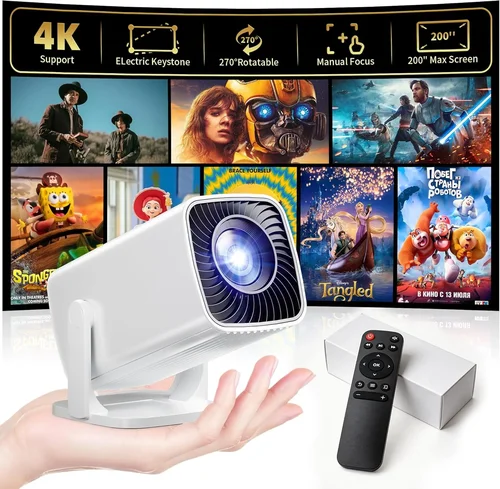
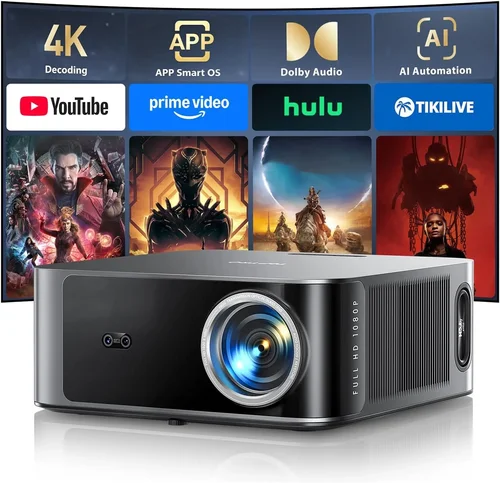
Finding a projector that delivers a cinematic experience without draining your wallet can feel like hunting for a needle in a haystack. With dozens of models shouting “HD,” “4K,” and “laser” at every price point, it’s easy to get overwhelmed. That’s why we created this guide: to cut through the noise, explain the technology in plain language, and point you toward the best projector for movies under $500.
In the pages that follow you will learn which specifications truly matter for film‑loving households, how to match a projector to your viewing space, and which common pitfalls to avoid. We’ll also compare the main types of projectors, break down what you can expect at different budget levels, and hand you a shortlist of top‑rated models that consistently outperform their price class.
The home‑theater projector market has matured dramatically over the past five years. LED and laser light sources have become more affordable, contrast ratios have surged, and smart‑TV‑style interfaces are now standard even in sub‑$500 units. This means that in 2026 you can set up a true movie night in a living‑room, basement, or even a backyard without splurging on a $2,000‑plus system.

What to Look for When Buying Buying Guide
1. Budget & Price Range
Price is the starting line, not the finish line. While you can find projectors for as low as $150, the $400‑$500 sweet spot usually offers a balance of brightness, resolution, and durability. Set a hard ceiling, then allocate a portion of that budget to essential accessories—screen, mounting hardware, and a good quality HDMI cable.
2. Resolution & Image Detail
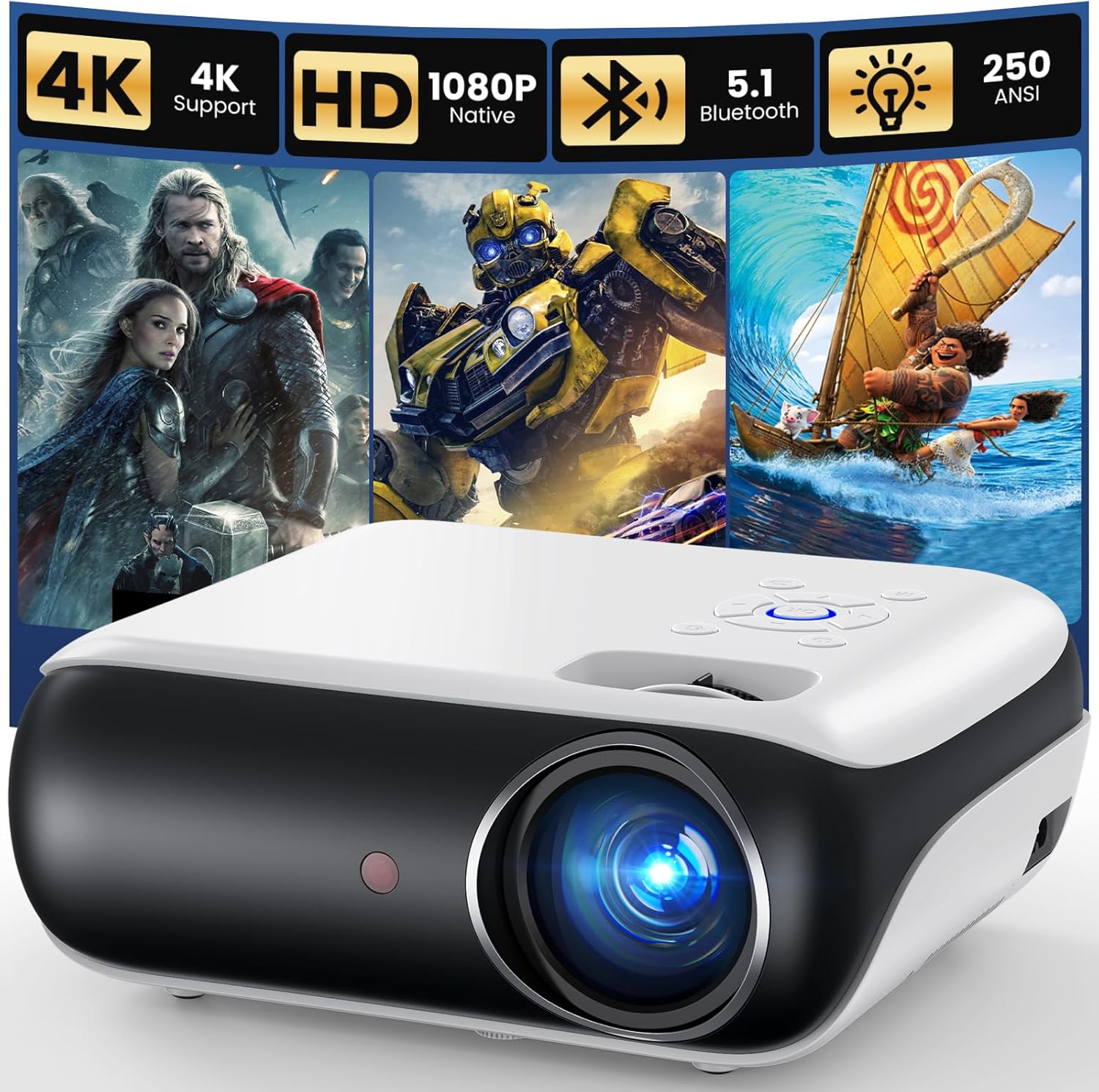
Resolution determines how sharp the picture looks. For movies, 1080p (Full HD) is the minimum you should accept; anything lower will look soft on larger screens. Some sub‑$500 models claim “4K‑enhanced” – they use pixel‑shifting to simulate higher resolution, but true 4K remains rare at this price point.
3. Brightness (Lumens)
Brightness is measured in ANSI lumens. A living‑room with ambient light typically needs 2,000‑2,500 lumens for a vivid image. If you can control lighting (blackout curtains, dark room), 1,500 lumens may be sufficient. Remember that LED and laser projectors often deliver higher perceived brightness than their lumen rating suggests because of better color saturation.
4. Contrast Ratio & Black Levels
Contrast ratio is the difference between the darkest black and the brightest white. Higher contrast means deeper blacks and more detail in dark scenes—crucial for movie drama and horror. Look for a contrast ratio of at least 10,000:1; laser/LED models usually outperform lamp‑based units in this area.
5. Light Source Type
There are three main light sources:
- UHP Lamp – cheapest, but lamp life is 2,000‑4,000 hours and replacement can cost $80‑$120.
- LED – longer life (20,000+ hours), lower power draw, and more consistent color.
- Laser – best color accuracy and lifespan (30,000+ hours), but still pricier.
For a sub‑$500 projector, LED is the most common and offers the best value‑for‑money.
6. Throw Distance & Zoom
Throw distance is how far the projector must sit from the screen to fill a given size. Short‑throw models (under 2 ft) are ideal for small rooms, while standard throw units need more space. A built‑in zoom (1.2‑1.5×) adds flexibility, letting you fine‑tune the image without moving the projector.
7. Connectivity & Smart Features
Most modern projectors include at least one HDMI 2.0 port, supporting 4K@60Hz (even if the projector is 1080p). USB, Bluetooth, and Wi‑Fi enable streaming directly from phones or cloud services. If you already own a streaming stick (Roku, Fire TV, Chromecast), a simple HDMI input is enough.
8. Build Quality & Portability
Even at lower price points, a solid metal chassis resists wear and helps dissipate heat. If you plan to move the projector between rooms, look for a weight under 5 lb and a detachable lens cover for protection.
Different Types of Buying Guide

Common Buying Mistakes to Avoid
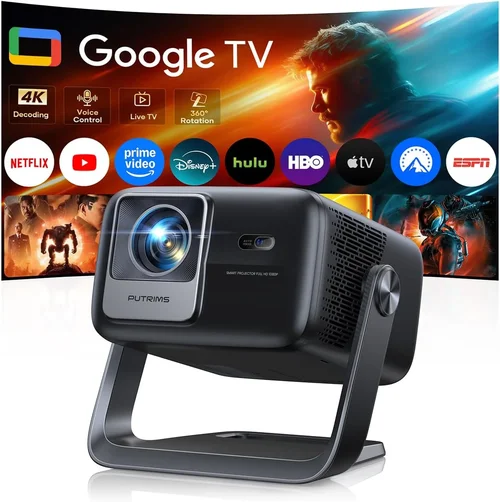
❌ Mistake: Ignoring Ambient Light
Why it’s bad: A projector rated at 1,500 lumens will look washed out in a bright living‑room, ruining the movie experience.
What to do instead: Measure typical room lighting and aim for at least 2,000 lumens, or invest in blackout curtains and a high‑gain screen.
❌ Mistake: Chasing 4K at Any Cost
Why it’s bad: Sub‑$500 “4K‑enhanced” units often rely on software tricks that don’t improve true detail, and the extra cost could be better spent on brightness or contrast.
What to do instead: Prioritize native 1080p resolution; a crisp, well‑contrasted image beats a pseudo‑4K image that looks soft.
❌ Mistake: Overlooking Lamp Life
Why it’s bad: Replacing a UHP lamp can add $100‑$150 to the total cost of ownership, especially if you watch movies weekly.
What to do instead: Choose an LED or laser model where the light source lasts 20,000+ hours—effectively “replace‑free” for most users.
❌ Mistake: Forgetting Throw Distance
Why it’s bad: Buying a standard‑throw projector for a small bedroom may force you to place it inches from the wall, resulting in a tiny image.
What to do instead: Measure the distance from the projector location to the screen and compare it with the manufacturer’s throw ratio chart.
❌ Mistake: Skipping the Test Run
Why it’s bad: Online specs rarely convey real‑world color accuracy or fan noise.
What to do instead: If possible, visit a local retailer and view a demo, or buy from a retailer with a solid return window.
Budget Guidelines: How Much Should You Spend?
Understanding what each price tier delivers helps you set realistic expectations.
- Entry-Level ($150‑$250): Typically lamp‑based, 720p resolution, 1,000‑1,500 lumens. Good for occasional use in dark rooms, but limited lifespan and lower contrast.
- Mid‑Range ($250‑$400): Full HD, LED light source, 2,000‑2,500 lumens, contrast ratios around 10,000:1. Ideal for most home‑theater setups.
- Premium ($400‑$500): Enhanced color processing, higher brightness (up to 3,000 lumens), built‑in speakers, and sometimes short‑throw optics. Provides a cinema‑like experience without breaking the bank.
- Luxury ($500+): True 4K, laser light source, HDR10 support, ultra‑low fan noise, and advanced networking. Usually beyond the “under $500” scope but worth noting for future upgrades.
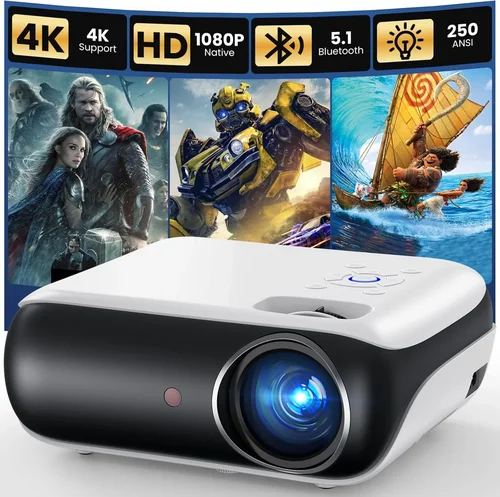
Expert Tips for Getting the Best Deal
- Timing: Retailers often clear inventory in January and July. Look for “clearance” sections on manufacturer sites.
- Where to Buy: Large e‑commerce platforms (Amazon, Best Buy) provide extensive user reviews and easy returns. Specialty AV stores may offer bundle packages (screen + mount).
- Spotting Deals: Compare the MSRP with the listed price; a 20‑30% drop is typical for genuine promotions.
- Warranty: Choose a model with at least a 2‑year limited warranty and a clear lamp‑life guarantee.
- Return Policy: Ensure a minimum 30‑day return window; this gives you time to test the projector in your own lighting conditions.
- Testing: Bring a laptop or phone with a 1080p video file to a store demo. Check for rainbow effect (common in cheap DLP units) and fan noise.
- Accessories: A high‑gain, matte white screen can boost perceived brightness by up to 30% without extra lumens.
- Future‑Proofing: Look for HDMI 2.0 or higher ports; they ensure compatibility with upcoming 4K streaming devices.
Frequently Asked Questions
Q: Can I use a projector in a bright living room?
A: Yes, but you’ll need a model with at least 2,500 lumens and a high‑gain screen. Adding blackout curtains or dimming lights will dramatically improve image quality.
Q: Do I need a separate sound system?
A: Most sub‑$500 projectors have built‑in speakers that are adequate for casual viewing, but for true cinematic immersion, a soundbar or a 5.1 surround system is recommended.
Q: How far should the projector be from the screen?
A: It depends on the throw ratio. A 1.5:1 ratio means you need 1.5 ft of distance for each foot of screen width. Use the manufacturer’s calculator to find the exact placement.
Q: Will a projector work with my gaming console?
A: Absolutely. Ensure the projector supports HDMI 2.0 with at least 1080p@60Hz. Some models also offer low‑input‑lag modes for smoother gaming.
Q: What is “lamp‑free” and is it worth it?
A: Lamp‑free refers to LED or laser light sources that last tens of thousands of hours. They eliminate the recurring cost of lamp replacements and often deliver more stable colors.
Q: Is a screen necessary?
A: While you can project onto a white wall, a dedicated screen improves brightness uniformity and color accuracy. A 100‑inch 16:9 matte white screen is a solid starting point.
Q: How much space do I need for a home‑theater setup?
A: A minimum of 8‑10 ft from screen to seating is comfortable for a 100‑inch image. Larger rooms allow for bigger screens and more immersive experiences.
Q: Are there any hidden costs?
A: Consider the price of a good screen, mounting hardware, cables, and possibly a lamp replacement (if applicable). Also factor in electricity usage; LED models are more efficient.
Our Final Recommendations
- Best for Budget‑Conscious Buyers: ViewSonic PA503S – 3,600 lumens, 1080p, lamp life up to 15,000 hrs, excellent value at $279.
- Best Overall Value: Epson Home Cinema 2150 – 2,500 lumens, 1080p, lens shift, built‑in speaker, reliable color accuracy, typically $449.
- Best Premium Option (Just Under $500): BenQ TH671ST – Short‑throw 1080p, 3,000 lumens, low input lag for gaming, 10,000:1 contrast, $489.
- Best for Beginners: Vankyo Leisure 3 – Simple plug‑and‑play, 2,400 lumens, 1080p support, lightweight, $199.
- Best for Advanced Users: Optoma UHD50X (on sale) – True 4K, 3,400 lumens, HDR10, 240Hz refresh, excellent for both movies and high‑frame‑rate gaming, often found for $499 during promotions.
Conclusion: Making the Right Choice
Choosing the best projector for movies under $500 boils down to three core decisions: how bright your room is, what resolution you truly need, and how long you plan to keep the unit. By focusing on native 1080p, a minimum of 2,000 lumens, and an LED or laser light source, you’ll secure a device that delivers cinema‑quality images without surprise expenses.
Remember to match the throw distance to your space, invest in a decent screen, and take advantage of seasonal sales. With the models highlighted above, you can create a compelling home‑theater experience that rivals a commercial cinema, all while staying comfortably within your budget.
Ready to start your movie nights? Browse the recommended units, compare prices, and enjoy the magic of a big‑screen experience right at home.