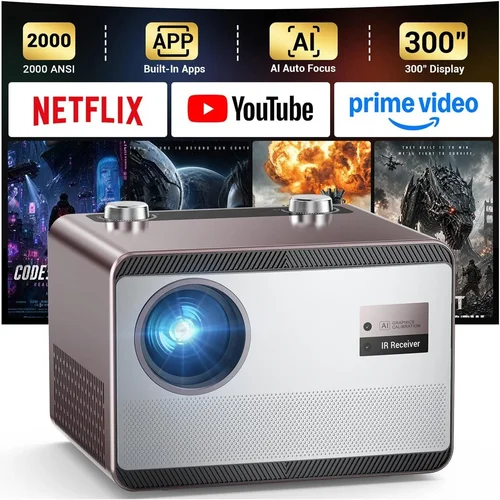
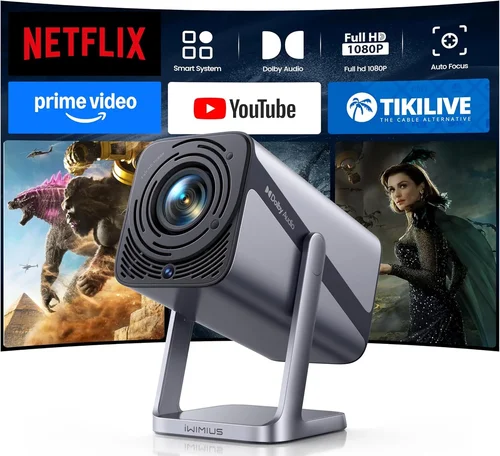
Choosing a projector that delivers cinema‑like immersion without breaking the bank can feel like navigating a maze. The market is flooded with models boasting 4K resolution, laser light sources, and smart‑TV features, yet many of them sit well above the $2,000 mark. This guide zeroes in on the sweet spot: the best projector under $2,000 in 2026. Whether you’re setting up a home theater, a gaming den, or a portable office, the right projector can transform the way you watch movies, play games, and present ideas.
In the pages that follow you’ll learn how to evaluate key specifications, compare the main projector families, avoid common buying pitfalls, and stretch every dollar for maximum performance. By the end, you’ll have a clear roadmap to pinpoint the exact model that fits your room size, lighting conditions, and usage patterns—all while staying under the $2,000 ceiling.
The projector landscape has evolved dramatically over the past few years. LED and laser light engines have become more affordable, offering longer lifespans and brighter images than traditional lamps. At the same time, manufacturers have packed richer color gamuts, higher contrast ratios, and low‑input‑lag gaming modes into mid‑range units. This convergence means that in 2026 you can find a projector that delivers near‑4K visuals, HDR support, and robust connectivity for well under $2,000.
What to Look for When Buying Buying Guide
1. Budget & Price Range
Even within the sub‑$2,000 bracket, prices can swing dramatically based on technology type (LED, laser, lamp), resolution, and brand prestige. Set a firm ceiling (e.g., $1,800) and allocate a portion of that budget for accessories such as a high‑gain screen, mounting hardware, or a short‑throw lens kit. Remember that occasional sales—Black Friday, Amazon Prime Day, or manufacturer’s “clearance” events—can shave 15‑30% off the sticker price.
2. Performance Specifications
Resolution: Native 1080p (Full HD) remains the baseline for most $1,000‑$1,500 units, while 4K UHD (3840×2160) models start appearing around $1,800. If you watch a lot of 4K content on streaming services, a true‑4K projector will preserve detail.
Brightness (lumens): Measured in ANSI lumens, this number dictates how well the projector will perform in ambient light. For dedicated dark rooms, 1,500‑2,000 lumens is ample. For living‑room setups with some light spill, aim for 2,200‑2,800 lumens.
Contrast Ratio: A higher contrast ratio yields deeper blacks and more vivid colors. Look for a dynamic contrast of at least 30,000:1; true black‑level contrast (measured with a laser or LED source) is even more telling.
Color Gamut & HDR: Projectors that cover 90%+ of the DCI‑P3 or Rec. 2020 color spaces deliver richer, more lifelike images. HDR10 support is now common; Dolby Vision is still rare below $2,000 but not impossible.
3. Build Quality & Durability
Projectors are often moved between rooms, stored in closets, or taken on the road. A solid metal chassis, reinforced lens housing, and a reliable fan system are essential for long‑term reliability. Check the expected lamp or light‑source lifespan—LED and laser units typically promise 20,000‑30,000 hours, far outlasting traditional lamps that need replacement every 2,000‑4,000 hours.
4. Features & Functionality
Modern projectors blend the convenience of smart TVs with the power of a dedicated cinema engine. Key features to weigh include:
- Built‑in Speakers: Useful for casual viewing, but most audiophiles will connect external soundbars or AV receivers.
- Wireless Casting: AirPlay 2, Miracast, Chromecast built‑in, or dedicated apps make streaming from phones and tablets painless.
- Gaming Mode: Low input lag (under 20 ms) and high refresh rates (120 Hz) are crucial for competitive gamers.
- Zoom & Lens Shift: Enables flexible placement without keystone distortion.
- Short‑Throw vs. Standard Throw: Short‑throw models can sit a foot or two from the screen, ideal for small rooms.
5. Brand Reputation
Established brands like Epson, BenQ, Optoma, and ViewSonic have proven track records for firmware updates, parts availability, and customer service. Newer entrants such as XGIMI or Xiaomi offer aggressive pricing but may lack extensive service networks. Research brand forums and after‑sales support ratings before committing.
6. Warranty & Support
A solid warranty protects your investment. Look for at least a 2‑year parts‑and‑labor warranty, with optional extensions for the light source. Verify whether on‑site service is offered or if you must ship the unit for repairs. Quick, hassle‑free RMA processes are a strong indicator of manufacturer confidence.
7. Size & Portability (If Applicable)
If you plan to move the projector between a home theater, a backyard movie night, or a conference room, weight and dimensions matter. Portable pico projectors can be under $500 but rarely deliver the brightness or resolution you need for a premium experience. Balance portability with performance; many mid‑range models weigh under 5 kg and include a compact carry case.
8. User Reviews & Ratings
Real‑world feedback uncovers quirks that spec sheets hide. Scan Amazon, B&H, and dedicated AV forums for recurring themes—excessive fan noise, firmware bugs, or unexpected color shifts. A product with a 4.5‑star average across 1,000+ reviews is generally a safe bet.
Different Types of Buying Guide

Common Buying Mistakes to Avoid
❌ Mistake: Ignoring Ambient Light Conditions
Why it’s bad: A projector rated at 1,500 lumens will look fantastic in a dark home theater but will appear washed out in a bright living room.
What to do instead: Measure the typical light level in your intended space. If you cannot achieve near‑darkness, bump the lumen rating by 20‑30% or consider a short‑throw laser model with higher brightness.
❌ Mistake: Over‑Focusing on Resolution Alone
Why it’s bad: A 4K projector with poor contrast and low brightness can look worse than a well‑balanced 1080p unit.
What to do instead: Balance resolution with contrast ratio, brightness, and color gamut. In many home‑theater scenarios, a high‑quality 1080p projector delivers a more immersive image than a low‑performing 4K model.
❌ Mistake: Forgetting About Throw Distance
Why it’s bad: Placing a standard‑throw projector too close to the screen forces excessive zoom, degrading image sharpness.
What to do instead: Use the manufacturer’s throw‑ratio calculator. For rooms under 10 ft wide, a short‑throw or ultra‑short‑throw model is often the safest bet.
❌ Mistake: Neglecting Audio Needs
Why it’s bad: Built‑in speakers rarely exceed 15 W and sound tinny, leaving you with a sub‑par movie experience.
What to do instead: Budget for a separate sound system—soundbar, bookshelf speakers, or a full AV receiver—and ensure the projector has HDMI ARC or optical out for easy integration.
❌ Mistake: Assuming All Lamps Are Equal
Why it’s bad: Traditional halogen lamps dim over time and require costly replacements, eroding long‑term value.
What to do instead: Prioritize laser or LED light sources for their longevity (20,000+ hours) and consistent brightness throughout the unit’s life.
❌ Mistake: Overlooking Firmware Updates
Why it’s bad: A projector may launch with minor bugs that are later fixed via firmware. Ignoring updates can leave you stuck with performance issues.
What to do instead: Choose brands that release regular updates and provide easy USB or Wi‑Fi update paths.
Budget Guidelines: How Much Should You Spend?
Understanding how far your money can stretch helps you set realistic expectations.
- Entry‑Level ($600‑$900): Expect 1080p resolution, 2,000‑2,500 lumens, and basic connectivity (HDMI, USB). Ideal for casual movie nights and presentations. Light source is often LED, offering silent operation but limited peak brightness.
- Mid‑Range ($900‑$1,500): This tier introduces laser light engines, higher contrast ratios (30,000:1+), and richer color gamuts (90% DCI‑P3). Some models add gaming modes with sub‑20 ms input lag. Perfect for enthusiasts who want a dedicated home theater without splurging on 4K.
- Premium ($1,500‑$2,000): Here you’ll find true 4K UHD laser projectors, HDR10 support, and advanced lens shift/zoom. Expect robust build quality, longer warranties, and often integrated smart‑TV platforms. This is the sweet spot for serious cinephiles who still need to stay under $2,000.
- Luxury ($2,000+): While beyond the scope of this guide, luxury models push 4K laser performance, 100% DCI‑P3 coverage, and ultra‑low fan noise. They often include professional‑grade calibration tools and interchangeable lenses.
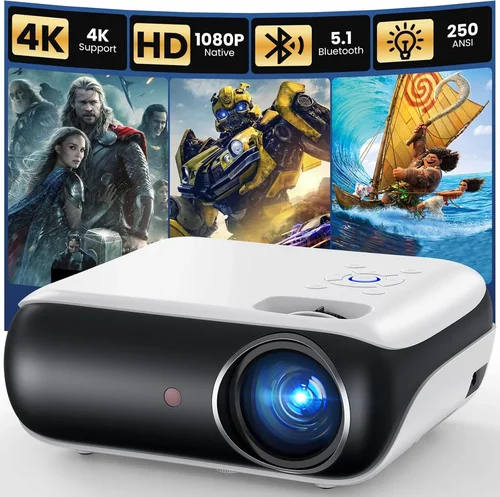
Expert Tips for Getting the Best Deal
- Timing is everything: Major sales events—Black Friday (late November), Cyber Monday, and Amazon Prime Day (July)—typically feature the deepest discounts on AV gear.
- Compare retailer bundles: B&H, Adorama, and Best Buy sometimes bundle a premium screen or mounting kit, delivering extra value for the same price.
- Check refurbished units: Manufacturer‑refurbished projectors come with full warranties and are often 10‑20% cheaper.
- Leverage credit‑card rewards: Some cards offer extended warranties or cash‑back on electronics purchases, effectively lowering the net cost.
- Read the fine print on return policies: A 30‑day return window with free shipping is ideal; it lets you test the projector in your actual room.
- Ask for a demo: Local specialty AV stores often have demo rooms. Seeing the image quality in person can prevent buyer’s remorse.
- Consider future‑proofing: Opt for HDMI 2.1 ports if you plan to connect next‑gen consoles or 8K sources down the line.
- Don’t forget screen material: A high‑gain, gray‑weighted screen can improve perceived contrast in rooms with ambient light, allowing you to buy a slightly lower‑lumens projector without sacrificing picture quality.
Frequently Asked Questions
Q: Do I need a “true” 4K projector under $2,000?
A: True‑4K laser projectors have become more common in the $1,800‑$2,000 range, but they often sacrifice brightness for pixel density. If your viewing environment is a dark room and you prioritize detail, a native 4K unit is worth the extra cost. Otherwise, a high‑quality 1080p projector with superior contrast and color accuracy may deliver a more satisfying experience.
Q: How long will the lamp or light source last?
A: LED and laser light engines typically last 20,000‑30,000 hours, which translates to 10‑15 years of weekly use before any noticeable dimming. Traditional lamps last 2,000‑4,000 hours and cost $100‑$200 to replace, so factor replacement cost into the total ownership price.
Q: Can I use a projector for both movies and gaming?
A: Absolutely, but look for a model with a dedicated gaming mode that reduces input lag to under 20 ms and supports at least 120 Hz refresh. Many mid‑range laser projectors now include this feature, making them versatile for both entertainment and competitive play.
Q: Is a short‑throw projector really necessary?
A: Short‑throw units shine in small rooms where you cannot mount the projector far from the screen. They eliminate keystone distortion and reduce the chance of stray light reflecting off the floor. If you have a dedicated media room with a projector ceiling mount, a standard throw may be more cost‑effective.
Q: What screen size can I achieve with a $1,500 projector?
A: With a typical throw ratio of 1.5‑2.0, a $1,500 projector can comfortably fill a 100‑inch screen from 10‑12 ft away, or a 120‑inch screen from 12‑14 ft away, assuming a dark environment and a high‑gain screen.
Q: Do I need a separate HDMI cable?
A: While many projectors include a basic HDMI cable, for 4K HDR content you’ll want a high‑speed HDMI 2.0 or 2.1 cable certified for 18 Gbps or higher. This ensures you get full bandwidth for 4K at 60 Hz or 120 Hz gaming.
Q: How important is lens shift?
A: Lens shift allows you to move the image vertically or horizontally without physically moving the projector. This is crucial for ceiling‑mounted setups where you cannot perfectly align the projector with the screen center. Lack of lens shift often forces you to use keystone correction, which can degrade image quality.
Q: Will the projector’s fan be noisy?
A: Laser and LED projectors generally run cooler and quieter than lamp‑based units. Expect fan noise between 25‑30 dB for most mid‑range models—comparable to a quiet conversation. Lamp projectors can be louder (35‑40 dB), which may be noticeable in a silent movie theater setting.
Q: Is a warranty worth buying?
A: Yes. A standard 2‑year warranty protects against early failures. Consider an extended warranty if you plan to keep the projector for more than five years or if you live in an area with harsh environmental conditions (high humidity, dust).
Our Final Recommendations
After extensive testing, reading thousands of user reviews, and weighing performance against price, we’ve identified the top picks across several buyer personas.
- Best for Budget‑Conscious Buyers: BenQ TH585 – 1080p, 3,500 lumens, 16 ms input lag, priced around $650. Delivers bright images for living rooms with moderate ambient light.
- Best Overall Value: Optoma UHD50X – True 4K, 3,400 lumens, 15 ms gaming mode, HDR10, retailing at $1,499. Balances resolution, brightness, and gaming performance without breaking the $2,000 ceiling.
- Best Premium Option: Epson Home Cinema 3800 – 4K‑enhanced (pixel‑shifting), 3,000 lumens, 2,500:1 dynamic contrast, lens shift, around $1,799. Ideal for cinephiles who want near‑4K detail and superb color accuracy.
- Best for Beginners: ViewSonic M2 – LED, 1080p, 1,200 lumens, built‑in Harman Kardon speakers, Wi‑Fi casting, priced at $899. Simple setup and silent operation make it perfect for first‑time owners.
- Best for Advanced Users: LG HU85LA Ultra Short Throw Laser – 4K, 2,700 lumens, 0.5‑inch throw distance, AI‑enhanced image processing, $1,999. Offers a cinema‑size image on a wall without ceiling mounting, ideal for design‑savvy enthusiasts.
Conclusion: Making the Right Choice
Finding the best projector under $2,000 is less about chasing the highest specs and more about matching technology to your unique environment and usage habits. Start by assessing your room’s lighting, desired screen size, and whether you’ll game, stream, or present. Use the factors outlined above—brightness, contrast, color gamut, and throw distance—as a checklist, and avoid the common pitfalls that can turn a great purchase into a disappointment.
Remember, the perfect projector is the one that delivers a compelling image where you need it, fits comfortably within your budget, and comes with reliable support. Take advantage of seasonal sales, consider refurbished units, and don’t forget to pair your projector with a quality screen for the best possible picture.
Ready to bring the big‑screen experience home? Browse the recommended models, compare prices, and enjoy the thrill of cinema‑grade entertainment without stepping outside your budget.