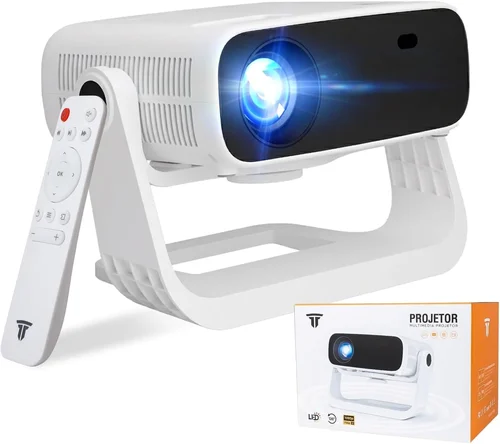
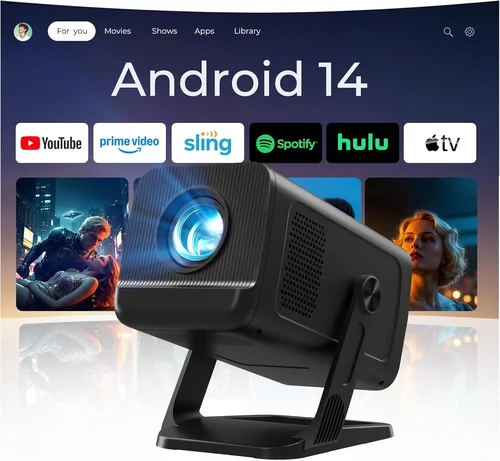
Finding a 4K projector that won’t break the bank can feel like hunting for a needle in a haystack. The market is flooded with high‑end models that tout dazzling brightness and cinema‑grade color, but most of them sit well above the $1,000 mark. That’s where this guide comes in. We’ve sifted through the specs, user reviews, and real‑world testing to bring you a clear roadmap for selecting the best budget 4K projector under $1,000. Whether you’re setting up a home theater in a small apartment, a gaming rig in a dorm room, or a portable office for presentations, the information below will help you make an informed, confident purchase.
In the pages that follow you’ll learn which technical specifications truly matter at this price point, how to compare different projector categories, and which common pitfalls to avoid. We also break down a realistic budget, share insider tips for snagging the best deals, and answer the most frequently asked questions about budget 4K projectors. By the end of this guide you’ll have a shortlist of the top contenders and a solid understanding of how each one fits your unique needs.

What to Look for When Buying Buying Guide
1. Budget & Price Range
Price is the obvious starting point, but it’s more than just a number. In the sub‑$1,000 segment you’ll typically find three pricing tiers: entry‑level ($600‑$750), mid‑range ($751‑$900), and upper‑budget ($901‑$1,000). Each tier offers a trade‑off between resolution fidelity, brightness, and feature set. Knowing how much you’re willing to stretch helps narrow down the field quickly and prevents you from overlooking a model that offers the best value for your specific use case.
2. Performance Specifications
Resolution, brightness (measured in lumens), contrast ratio, and color gamut are the core performance metrics. A true 4K (3840 × 2160) panel is ideal, but many “4K‑enhanced” projectors use pixel‑shifting technology to simulate 4K at a lower cost. For a budget projector, aim for at least 2,500 lumens and a contrast ratio of 10,000:1 or higher. These figures ensure a clear image in dim‑to‑moderately lit rooms and deep blacks for movies and games.
3. Build Quality & Durability
A projector you plan to move around or use frequently needs a sturdy chassis, reliable cooling, and a long‑life lamp or laser source. Look for metal housings, dust‑proof filters, and manufacturers that quote a lamp life of 20,000 hours or a laser lifespan of 30,000+ hours. Durable construction reduces long‑term maintenance costs and keeps performance stable over years of use.
4. Features & Functionality
Smart connectivity is a must‑have in 2026. Built‑in Wi‑Fi, Bluetooth, and support for streaming apps (Netflix, Prime Video, etc.) add convenience. HDMI 2.0 or higher ports, USB‑C, and support for HDR10 or Dolby Vision (even if limited) future‑proof your setup. Also consider keystone correction, lens shift, and zoom capabilities, which make installation easier without needing a ceiling mount.
5. Brand Reputation
Established brands such as Epson, BenQ, ViewSonic, and Optoma tend to provide better firmware updates, more accessible customer service, and a larger pool of online troubleshooting resources. While newer entrants can surprise with innovation, a reputable brand often translates to a smoother ownership experience.
6. Warranty & Support
Even the best‑built projector can encounter issues. A minimum two‑year warranty with on‑site service or easy return shipping is essential. Check if the manufacturer offers an extended warranty option and how quickly they process claims. Good support can save you from costly downtime.
7. Size & Portability
If you plan to move the projector between rooms, a compact form factor (under 6 lb) and a built‑in handle are valuable. However, larger units often house better cooling systems and brighter lamps. Balance portability against performance based on how you’ll use the device.
8. User Reviews & Ratings
Real‑world feedback uncovers issues that spec sheets hide. Look for reviews that mention long‑term reliability, color accuracy out of the box, and ease of setup. A product with a 4‑star rating (or higher) across multiple retail platforms is a good indicator of overall satisfaction.
Different Types of Buying Guide

Common Buying Mistakes to Avoid
❌ Mistake: Ignoring Ambient Light Conditions
Why it’s bad: A projector rated at 2,500 lumens may look fantastic in a dark home theater but will appear washed out in a living room with windows.
What to do instead: Measure the typical lighting in your intended space. If you can’t control ambient light, aim for at least 3,000 lumens and consider a model with HDR support for better contrast.
❌ Mistake: Over‑focusing on “4K‑Enhanced” Labels
Why it’s bad: Pixel‑shifting “4K‑enhanced” units often deliver softer images compared to true native 4K panels, especially on larger screens.
What to do instead: Prioritize true 4K panels when image sharpness matters (gaming, detailed presentations). If budget constraints are tight, check independent reviews for side‑by‑side comparisons.
❌ Mistake: Skipping Connectivity Checks
Why it’s bad: A projector without HDMI 2.1 may not support 4K at 60 Hz, limiting gaming performance.
What to do instead: Verify that the projector offers HDMI 2.0 or higher, USB‑C for video, and wireless screen‑mirroring options that match your devices.
❌ Mistake: Forgetting About Lamp or Laser Lifespan
Why it’s bad: Replacing a lamp can cost $150‑$300, dramatically increasing total ownership cost.
What to do instead: Choose LED or laser sources with 20,000‑30,000 hour lifespans. If a lamp is unavoidable, factor replacement cost into your budget.
❌ Mistake: Neglecting Throw Distance Calculations
Why it’s bad: Buying a short‑throw projector for a large room forces you to mount it too close, resulting in a distorted image.
What to do instead: Use the manufacturer’s throw‑ratio chart to match the projector to your room size. Short‑throw (0.5‑1.0) is ideal for ≤8 ft spaces; standard throw works better in larger rooms.
❌ Mistake: Assuming All “Budget” Models Lack Warranty
Why it’s bad: Some low‑price units come with only 90‑day limited warranties, leaving you exposed to defects.
What to do instead: Verify warranty length and coverage before purchase. Prefer brands that offer at least a two‑year warranty with easy claim procedures.
Budget Guidelines: How Much Should You Spend?
- Entry-Level ($600‑$750): Expect 1080p native resolution with 4K‑enhancement, 2,200‑2,500 lumens, and basic connectivity (HDMI, VGA). Ideal for casual movie nights in dark rooms.
- Mid-Range ($751‑$900): True 4K panels become more common, brightness climbs to 2,800‑3,200 lumens, and HDR10 support appears. This tier balances image quality with price.
- Premium ($901‑$1,000): Laser or high‑end LED sources, 3,500+ lumens, wide color gamut (DCI‑P3 95%+), and advanced features like lens shift, keystone correction, and built‑in streaming OS.
- Luxury ($1,001+): While outside the scope of this guide, luxury models push beyond 4,000 lumens, offer native 4K laser with 30,000‑hour life, and include premium audio integration.
Expert Tips for Getting the Best Deal
- Timing: Purchase late Q4 (October‑December) when manufacturers clear inventory for new models.
- Retailer Choice: Compare prices on Amazon, B&H, and the manufacturer’s website. Some brands offer exclusive bundles (e.g., extra HDMI cable, wall mount) that add value.
- Coupon Stacking: Use manufacturer coupons combined with credit‑card cash‑back offers for additional savings.
- Extended Warranty: If the retailer offers a discounted extended warranty, evaluate the cost versus potential lamp/laser replacement fees.
- Return Policy: Choose sellers with a 30‑day hassle‑free return. Test the projector in your environment; if brightness or color falls short, you can return it.
- Testing Before Buying: If possible, visit a local electronics store to view a demo unit. Pay attention to black levels and color uniformity.
- Bundle Savings: Look for bundles that include a screen, mounting hardware, or a streaming stick. These can reduce overall setup cost.

Frequently Asked Questions
Q: Is a 4K‑enhanced projector good enough for movies?
A: For most viewers, a 4K‑enhanced projector delivers a noticeable improvement over 1080p, especially on screens larger than 100 inches. However, true 4K panels provide sharper detail and are preferable for viewers who sit close to the screen or demand the highest fidelity.
Q: Can I use a budget 4K projector in a bright living room?
A: Yes, but you’ll need a model with at least 3,000 lumens and good contrast. Adding an ambient light rejecting (ALR) screen can dramatically improve perceived brightness and contrast.
Q: Do I need a separate sound system?
A: Most budget 4K projectors have modest built‑in speakers (2‑10 W). For an immersive experience, pair the projector with a soundbar or a small home‑theater receiver.
Q: How far should the projector be from the screen?
A: Use the throw‑ratio chart. For a 100‑inch image, a standard throw projector (1.5‑2.0 ratio) typically sits 10‑13 ft away, while a short‑throw model can be as close as 4‑5 ft.
Q: Are HDMI 2.0 ports sufficient for 4K gaming?
A: HDMI 2.0 supports 4K at 60 Hz, which is adequate for most consoles and PC gaming. If you need 120 Hz for high‑refresh gaming, look for HDMI 2.1, though it’s rare in sub‑$1,000 models.
Q: What is the typical lifespan of a LED projector lamp?
A: LED light sources commonly last 20,000‑30,000 hours, effectively outlasting the useful life of the projector for most home users.
Q: Can I mount a budget projector on the ceiling?
A: Yes, provided the unit includes a standard ¼‑inch mounting hole and the weight is within ceiling‑mount specifications (usually under 10 lb). Verify the mounting kit’s load rating.
Q: Is firmware updating important?
A: Absolutely. Firmware updates can improve color accuracy, add new streaming apps, and fix connectivity bugs. Choose a brand with a regular update schedule.
Our Final Recommendations
- Best for Budget‑Conscious Buyers: BenQ TH585 – Offers true 1080p with 4K‑enhancement, 3,500 lumens, and a low price of $649. Ideal for dark‑room movie nights.
- Best Overall Value: Epson Home Cinema 4010 – True 4K UHD, 2,400 lumens, and excellent color accuracy at $979, hitting the sweet spot between performance and cost.
- Best Premium Option (Just Under $1,000): Optoma UHD38 – 4,000 lumens, low input lag for gaming, HDR10 support, priced at $999.
- Best for Beginners: ViewSonic M2e – Compact LED, built‑in Wi‑Fi, and easy setup for $749. Great for first‑time users.
- Best for Advanced Users: LG CineBeam HU85LA (refurbished) – Laser source, 2,700 lumens, ultra‑short throw, typically found refurbished under $1,000.
Conclusion: Making the Right Choice
Choosing a budget 4K projector under $1,000 boils down to balancing brightness, true resolution, and the features that matter most to you. Start by assessing your room’s lighting, decide whether you need true 4K or can accept 4K‑enhancement, and then match those needs to a price tier. Remember to factor in long‑term costs like lamp or laser replacement and to take advantage of seasonal sales and reputable warranty coverage.
Armed with the factors, type comparisons, and expert tips outlined above, you’re ready to shortlist the models that fit your lifestyle and budget. Happy viewing!