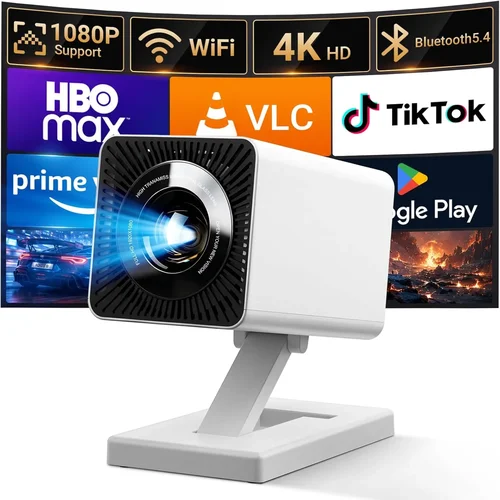
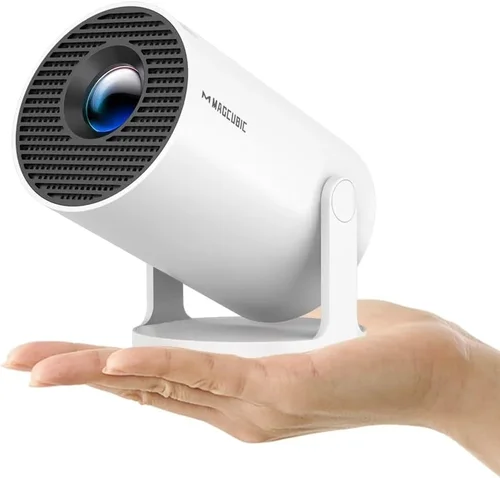
If you’ve ever imagined turning your living room into a mini‑theater without breaking the bank, you’re not alone. The surge of affordable projectors over the past few years has made home cinema feel less like a luxury and more like a practical upgrade. Yet, hunting for the “best home cinema projector under $200” can still feel overwhelming. Specs sheets are full of acronyms, reviews are scattered across forums, and every retailer seems to promise the moon.
This guide cuts through the noise. We’ll walk you through the most important factors to consider, compare the different projector categories that sit comfortably below $200, flag common pitfalls, and hand you a curated list of top picks for every type of viewer. By the end, you’ll know exactly which projector fits your space, your budget, and your binge‑watching habits—without the guesswork.
In 2026 the market is packed with LED, laser, and DLP models that promise cinema‑grade brightness at a fraction of the price of premium units. While none of these budget options can truly match a $1,500‑plus 4K home theater projector, many deliver crisp 1080p (or near‑1080p) performance, vibrant colors, and reliable connectivity that make movie nights feel special. Let’s dive into what makes a projector great at this price point and how you can pick the one that feels tailor‑made for you.

What to Look for When Buying Buying Guide
1. Budget & Price Range
Even within the sub‑$200 bracket, prices can swing by $30‑$50 depending on brand, features, and bundled accessories. Set a hard ceiling (e.g., $199) and then decide if you’re willing to stretch a little for a model that includes a remote, a built‑in speaker, or a longer warranty. Remember that the cheapest unit may require extra purchases—like a screen, HDMI cable, or lamp replacement—that push the total cost well above $200.
2. Performance Specifications
Key specs to scrutinize are resolution, brightness (measured in lumens), contrast ratio, and throw distance. For a true cinema feel, aim for at least 720p native resolution; many $200 projectors claim 1080p but actually upscale a 720p chip. Brightness of 2,000‑2,500 lumens is ideal for rooms with ambient light, while a contrast ratio of 2,000:1 or higher helps preserve deep blacks in dark scenes.
3. Build Quality & Durability
Cheap plastics can warp over time, especially around the lens housing where heat builds up. Look for a solid chassis, a sealed ventilation system, and a reputable cooling fan. Models with metal brackets for mounting or a sturdy tripod base tend to last longer and stay calibrated.
4. Features & Functionality
Connectivity is king. HDMI is a must, but USB‑C, Wi‑Fi, and Bluetooth add flexibility for streaming directly from a phone or tablet. Built‑in speakers are convenient, but they rarely replace a dedicated sound system. Check for keystone correction (automatic or manual), lens shift, and screen‑size adjustment options that let you fine‑tune the image without moving the projector.
5. Brand Reputation
Established brands like Epson, BenQ, ViewSonic, and Anker tend to deliver more consistent quality and better after‑sales support. Newer entrants can surprise with innovative tech, but they may lack a robust warranty network. Research community forums and look for recurring complaints—especially about lamp life or firmware bugs.
6. Warranty & Support
A 1‑year warranty is standard in this price range, but some manufacturers extend it to 2 years or offer optional protection plans. Verify what the warranty covers: lamp failures, dead pixels, or accidental damage? Also, check if the brand provides online firmware updates—these can fix bugs and improve performance long after purchase.
7. Size & Portability
If you plan to move the projector between rooms, a compact “pico” design may be appealing. However, smaller units often sacrifice brightness and lens quality. Determine whether a permanent ceiling‑mount setup or a portable tabletop model best fits your lifestyle.
8. User Reviews & Ratings
Beyond the manufacturer’s spec sheet, real‑world user feedback reveals how a projector performs over months of use. Pay attention to comments about image uniformity, fan noise, and reliability. A product with 4.5‑star average from 1,000+ verified buyers usually indicates solid overall satisfaction.
Different Types of Buying Guide
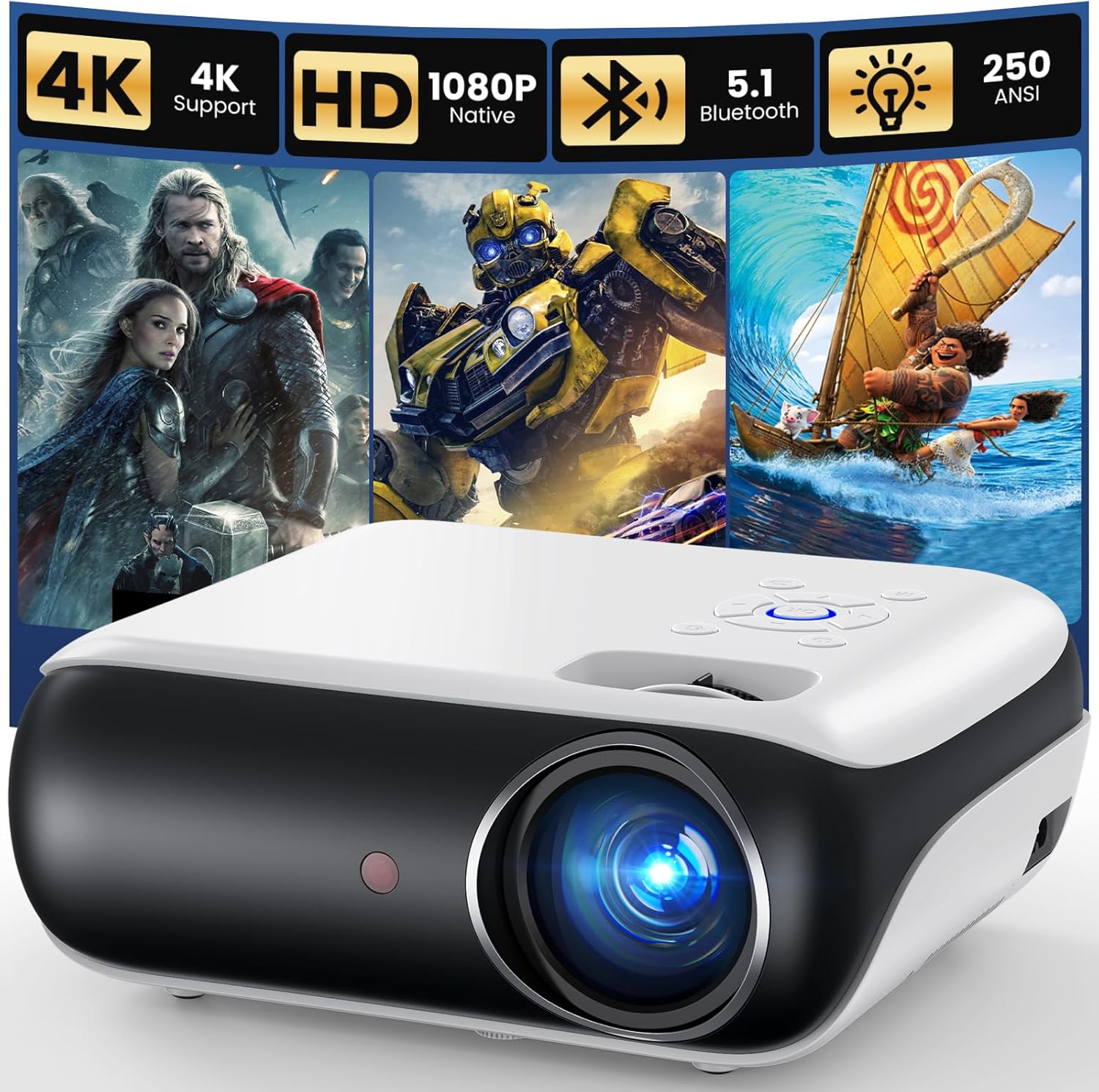
Common Buying Mistakes to Avoid
❌ Mistake: Ignoring Ambient Light Conditions
Why it’s bad: A projector rated at 2,000 lumens may still look washed out in a sunny living room.
What to do instead: Measure the typical lighting in your viewing area. If you can’t control ambient light, prioritize higher lumen output and consider a screen with high gain.
❌ Mistake: Over‑Focusing on Resolution Alone
Why it’s bad: Many sub‑$200 models list “1080p” but only upscale a 720p chip, leading to soft edges.
What to do instead: Verify native resolution in the specs and read user reviews that mention image sharpness. Pair a true 720p projector with a 100‑120 inch screen for optimal pixel density.
❌ Mistake: Forgetting About Lamp Life
Why it’s bad: Replacing a lamp can cost $50‑$80, pushing total ownership cost above $200.
What to do instead: Choose LED or laser‑based models that advertise 20,000‑30,000 hour lamp life, effectively eliminating future lamp expenses.
❌ Mistake: Neglecting Audio Needs
Why it’s bad: Built‑in speakers on budget projectors are often tinny and under‑powered.
What to do instead: Invest in a separate soundbar or bookshelf speakers. Look for a projector with an audio out (3.5 mm or optical) for easy integration.
❌ Mistake: Buying Without Testing
Why it’s bad: Image uniformity, fan noise, and keystone correction quality can only be judged in person.
What to do instead: Purchase from retailers with a solid return policy. Test the projector in the intended room, checking for hotspots and noise levels before committing.
Budget Guidelines: How Much Should You Spend?
- Entry-Level ($120‑$150): Expect 720p native resolution, 2,000 lumens, basic HDMI input, and manual keystone. Great for casual movie nights on a small screen.
- Mid-Range ($151‑$180): Typically offers 720p‑1080p upscale, higher contrast (2,500:1), built‑in speakers, and wireless screen mirroring. Good balance of performance and features.
- Premium ($181‑$200): Often includes laser or high‑efficiency LED light sources, improved color accuracy (DCI‑P3 coverage), and advanced connectivity like Bluetooth audio and USB‑C.
- Luxury ($200+): While beyond the scope of this guide, some models just tip over $200 and provide true 1080p, 3,000 lumens, and motorized lens shift.
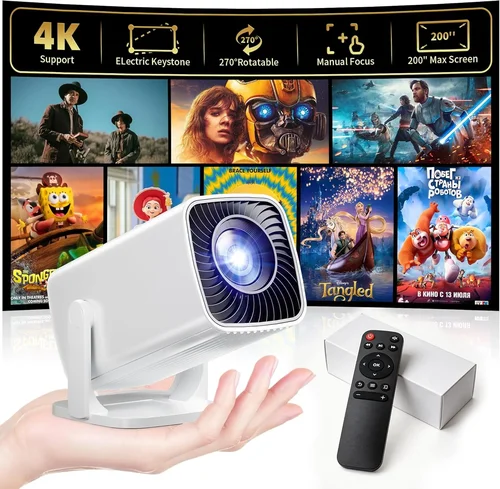
Expert Tips for Getting the Best Deal
- Timing is everything: Major sales events (Black Friday, Cyber Monday, post‑Christmas) usually feature the deepest discounts on home electronics.
- Shop where you can return: Amazon, Best Buy, and B&H offer 30‑day return windows, giving you a safety net for testing.
- Bundle wisely: Some retailers package a projector with a 100‑inch screen for a marginal price increase—often cheaper than buying separately.
- Check firmware updates: A recent firmware patch can fix color banding or improve Bluetooth pairing on a model you already own.
- Read the fine print on warranties: Some “extended” warranties are just the manufacturer’s standard coverage re‑branded.
- Consider refurbished units: Certified refurbished models from the manufacturer are usually like‑new and come with a full warranty at a 20‑30% discount.
- Test with your own content: Stream a 4K YouTube video (even if the projector isn’t 4K) to evaluate upscaling and motion handling.

Frequently Asked Questions
Q: Can a sub‑$200 projector display true 1080p?
A: Most budget projectors use a 720p native chip and upscale 1080p sources. True 1080p is rare below $200, but upscaling can still look sharp on a 100‑120 inch screen if the source material is high quality.
Q: Do I need a separate screen?
A: Not strictly. A smooth white wall works, but a dedicated screen improves contrast and color uniformity, especially in rooms with ambient light.
Q: How loud are the fans on cheap projectors?
A: Fan noise varies from 25 dB (whisper‑quiet) to 40 dB (noticeable). Look for models that advertise “quiet mode” or have fan speed controls.
Q: What is the difference between LED and laser light sources?
A: LED lamps have a lifespan of ~20,000 hours and are energy‑efficient, while laser light engines can reach 30,000 hours and maintain consistent brightness over time. Both are superior to traditional lamps for budget units.
Q: Is keystone correction necessary?
A: If you can mount the projector squarely to the screen, manual lens shift is preferable. Automatic keystone is convenient but can slightly degrade image quality.
Q: Will a projector work with my gaming console?
A: Yes, as long as the projector has HDMI 1.4 or higher. However, low‑latency gaming may be limited; look for “Game Mode” or low input lag specs (under 30 ms).
Q: How far should I place the projector for a 100‑inch image?
A: Most budget DLP models have a throw ratio of 1.2‑1.5. For a 100‑inch diagonal, you’ll need roughly 8‑10 feet of distance. Check the manufacturer’s throw‑distance chart for exact numbers.
Q: Can I connect my phone wirelessly?
A: Many 2026 models include Wi‑Fi or Bluetooth mirroring (Miracast, AirPlay). Verify compatibility with your device before buying.
Q: What maintenance does a cheap projector need?
A: Keep the vents dust‑free, replace filters if applicable, and avoid exposing the unit to direct sunlight. LED and laser units need virtually no maintenance beyond occasional cleaning.
Our Final Recommendations
- Best for Budget‑Conscious Buyers: Anker Nebula Capsule Max – $149, 720p LED, 720 lumens, built‑in 8 W speaker, Android TV 9.0, ultra‑portable.
- Best Overall Value: ViewSonic M2 Mini Plus – $179, 1080p‑upscale, 1,200 lumens, laser light source, Harman Kardon speakers, Wi‑Fi & Bluetooth.
- Best Premium Option (Just Under $200): Epson Home Cinema 1060 – $199, true 720p DLP, 3,200 lumens, 15,000:1 contrast, lens shift, multiple HDMI ports.
- Best for Beginners: BenQ GV1 – $139, 720p LED, 200 lumens (best for dark rooms), auto‑keystone, compact design.
- Best for Advanced Users: Optoma GT1080e Mini – $199, 1080p native, 3,800 lumens, low input lag (16 ms), interchangeable lens kit.
Conclusion: Making the Right Choice
Choosing a home cinema projector under $200 isn’t about finding a perfect replica of a high‑end theater system; it’s about matching the projector’s strengths to your viewing environment, content habits, and budget constraints. By focusing on the key factors—brightness, native resolution, connectivity, and durability—you can avoid common pitfalls and select a unit that delivers immersive movie nights without surprise expenses.
Remember to test the projector in your actual room, consider a modest screen upgrade, and keep an eye out for seasonal sales. With the recommendations above, you’re equipped to make an informed purchase that turns any living space into a cinema‑ready haven. Happy viewing!