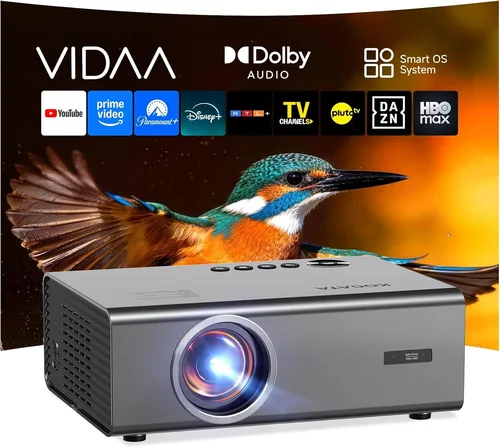
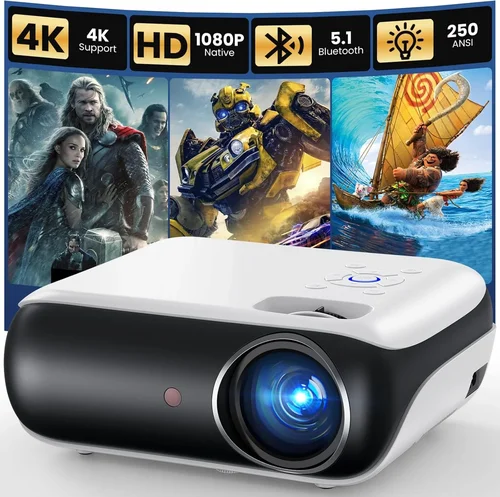
Finding the perfect home projector under $2,500 can feel like searching for a needle in a haystack. The market is flooded with options that promise cinema‑style immersion, but only a handful actually deliver the image quality, reliability, and feature set you need without breaking the bank. This guide cuts through the noise, giving you the knowledge to spot a projector that matches your living‑room setup, viewing habits, and budget.
By the end of this article you will understand which specifications truly matter, how different projector technologies stack up against each other, and which models consistently earn high marks from both experts and everyday users. Whether you’re setting up a dedicated home‑theater, a gaming corner, or a versatile family media hub, the insights here will help you make a confident purchase.
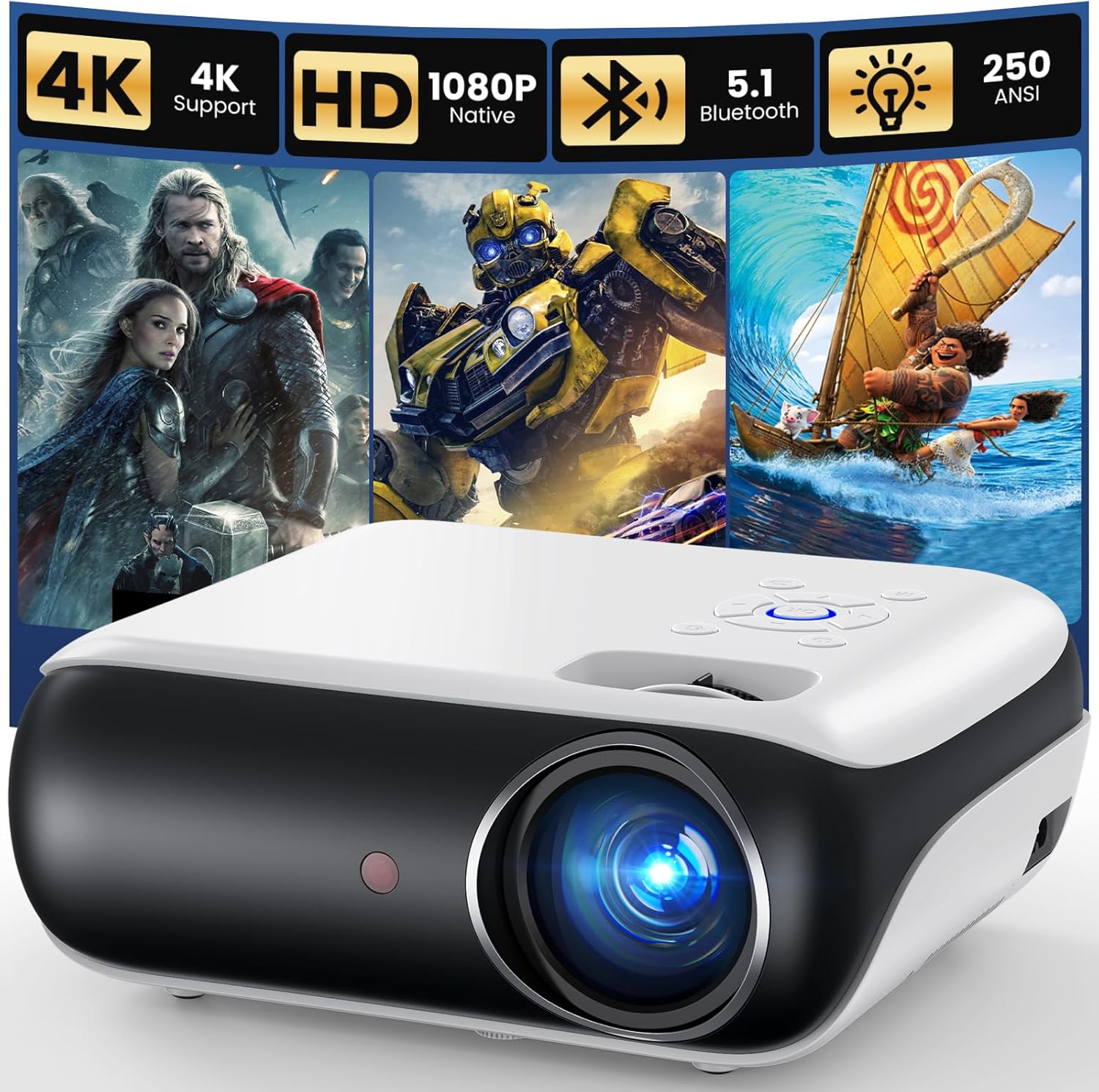
What to Look for When Buying Buying Guide
1. Budget & Price Range
Even within the sub‑$2,500 segment, prices can vary dramatically based on brand, lamp type, and built‑in features. Set a clear ceiling before you start shopping; this prevents you from being swayed by “premium” add‑ons you may never use. Remember that the initial cost is only part of the total ownership expense—consider replacement lamps, mounting hardware, and optional accessories like a short‑throw lens or external speakers.
2. Performance Specifications
Key metrics such as brightness (measured in lumens), contrast ratio, and native resolution dictate how the projector will perform in different lighting conditions. For a typical living‑room with some ambient light, aim for at least 2,200–2,500 lumens. A true 1080p (1920×1080) native resolution is essential for crisp movies and games; 4K‑enhanced models can be a good compromise if they use pixel‑shifting technology.
3. Build Quality & Durability
Projectors are mechanical devices with fans, lamps, and moving parts. Look for a sturdy chassis, reliable cooling solutions, and a reputable warranty. Metal housings and reinforced lens caps are indicators of a unit built to withstand regular use. Check user forums for reports of overheating or premature lamp failure—these are red flags.
4. Features & Functionality
Modern projectors come packed with smart capabilities. Built‑in Wi‑Fi, Bluetooth audio, and streaming apps can eliminate the need for a separate media box. However, prioritize features that align with your usage: a low‑input‑lag mode for gaming, a dedicated cinema mode for movies, or HDR support for richer colors. Keep an eye on the number and type of ports (HDMI 2.0+, USB‑C, Ethernet) to ensure compatibility with your devices.
5. Brand Reputation
Established brands like Epson, BenQ, ViewSonic, and Optoma have a track record of delivering reliable projectors and responsive customer service. Newer entrants may offer attractive pricing, but they often lack long‑term support and spare‑part availability. Research brand history, read professional reviews, and verify that the manufacturer has service centers in your region.
6. Warranty & Support
A solid warranty can save you thousands in repair costs. Look for at least a 2‑year coverage on the projector itself, with an extended lamp warranty if possible. Check whether the warranty includes on‑site service or requires you to ship the unit. Good after‑sales support—live chat, phone help, and comprehensive online manuals—makes troubleshooting far less stressful.
7. Size & Portability
If you plan to move the projector between rooms or take it to a friend’s house, weight and footprint matter. Short‑throw models allow a large image from a short distance, reducing shadows and glare, but they’re often bulkier. Conversely, ultra‑compact pico projectors are portable but may sacrifice brightness and resolution.
8. User Reviews & Ratings
Real‑world feedback reveals how a projector performs beyond the spec sheet. Look for reviews that discuss lamp life, fan noise, and color accuracy after several months of use. A high average rating backed by detailed comments is more trustworthy than a perfect score based on a handful of reviews.
Different Types of Buying Guide

Common Buying Mistakes to Avoid
❌ Mistake: Focusing Solely on Price
Why it’s bad: The cheapest unit often compromises on brightness, lamp life, or connectivity, leading to higher long‑term costs.
What to do instead: Define your must‑have features first, then find the best‑priced model that meets those criteria.
❌ Mistake: Ignoring Ambient Light Conditions
Why it’s bad: A projector rated at 2,000 lumens may look great in a dark room but will appear washed out in a bright living area.
What to do instead: Measure typical room lighting and aim for a brightness rating 20‑30% higher than the ambient level.
❌ Mistake: Overlooking Input Lag for Gaming
Why it’s bad: High input lag can make fast‑paced games feel sluggish, ruining the experience.
What to do instead: Look for a “Game Mode” or a projector with input lag under 30 ms at 1080p.
❌ Mistake: Forgetting About Lamp Life
Why it’s bad: Replacing a lamp can cost $150‑$300 and requires downtime.
What to do instead: Choose a model with a lamp life of at least 5,000 hours or consider laser/LED units that last 20,000+ hours.
❌ Mistake: Neglecting Port Compatibility
Why it’s bad: Without the right ports you may need costly adapters or be unable to connect newer devices.
What to do instead: Ensure the projector has HDMI 2.0 or higher, supports HDCP 2.2, and includes USB‑C if you use modern laptops.
❌ Mistake: Assuming All “4K” Projectors Are Equal
Why it’s bad: Many budget “4K” models use pixel‑shifting, which cannot match native 4K resolution.
What to do instead: If true 4K is essential, verify the spec sheet for “native 4K UHD”; otherwise, a high‑quality 1080p with good contrast may be more cost‑effective.
Budget Guidelines: How Much Should You Spend?
- Entry-Level ($800‑$1,200): Expect 1080p resolution, 2,000–2,300 lumens, basic connectivity, and a lamp life of around 4,000 hours. Ideal for occasional movie nights in dark rooms.
- Mid-Range ($1,200‑$1,800): You’ll find higher brightness (2,400–2,800 lumens), better contrast, built‑in speakers, and added features like HDR10 support or low‑lag gaming modes.
- Premium ($1,800‑$2,500): This tier includes laser or LED light sources, short‑throw optics, true 4K‑enhanced processing, and robust connectivity (dual HDMI, Bluetooth, Wi‑Fi). Best for dedicated home theaters and gamers who demand low latency.
- Luxury ($2,500+): While beyond the scope of this guide, luxury models deliver native 4K, ultra‑high contrast ratios, and premium build quality—often reserved for audiophiles and professional installers.
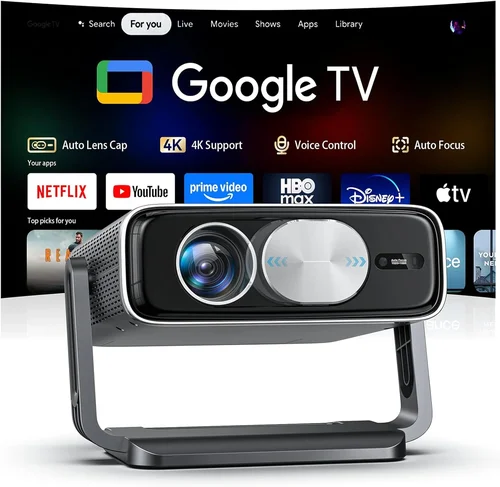
Expert Tips for Getting the Best Deal
- Timing: New projector models usually launch in spring. Look for clearance sales in late summer when retailers discount the previous year’s inventory.
- Where to Buy: Large electronics chains often have in‑store demo units you can test. Online marketplaces like Amazon and B&H provide extensive user reviews and flexible return policies.
- Bundle Savings: Some sellers offer a free HDMI cable, wall‑mount kit, or extended warranty when you purchase the projector with a screen.
- Warranty Hacks: Register your product immediately and ask the retailer about extended service plans—many cost less than the manufacturer’s direct extension.
- Return Policies: Verify the seller’s return window (ideally 30 days) and whether they cover return shipping for defective units.
- Testing Before Buying: If possible, view a 1080p Blu‑ray or a 4K YouTube video on the demo unit to assess color accuracy and motion handling.
- Negotiation: In brick‑and‑mortar stores, ask if price‑matching is available or if they can throw in a free lamp.

Frequently Asked Questions
Q: Do I need a separate screen?
A: While a smooth white wall works for casual viewing, a dedicated projector screen improves gain, uniformity, and contrast. For bright rooms, a high‑gain screen (1.3–1.5) is recommended.
Q: How long does a lamp actually last?
A: Lamp life is rated in hours at a specific brightness level (usually 80%). Real‑world usage, cooler operating temperatures, and lower brightness settings can extend life beyond the rated hours.
Q: Is a laser projector worth the extra cost?
A: Laser light sources offer longer lifespan (20,000+ hours), consistent brightness, and lower maintenance. If you plan to use the projector for 4+ hours daily, the upfront premium pays off.
Q: Can I connect my gaming console directly?
A: Yes. Ensure the projector has HDMI 2.0 or higher to support 4K@60 Hz from consoles like PS5 or Xbox Series X. Activate “Game Mode” to reduce input lag.
Q: What is the ideal throw distance?
A: Throw distance depends on screen size and projector type. A standard throw projector needs about 1.5–2.5 times the screen width; short‑throw models need only 0.4–0.7 times.
Q: How do I calibrate colors?
A: Use a calibration disc (e.g., Disney WOW) or a colorimeter with software like CalMAN. Start with the projector’s preset modes (Cinema, HDR) and fine‑tune brightness, contrast, and color temperature.
Q: Will a projector work with my smart TV’s built‑in apps?
A: Yes, if the projector has built‑in Android TV, Roku, or a similar platform. Otherwise, connect a streaming stick (Amazon Fire TV, Apple TV) via HDMI.
Q: Is fan noise a problem?
A: Most projectors emit 20‑30 dB in normal operation, which is barely audible. Look for models that advertise “quiet mode” for nighttime viewing.
Our Final Recommendations
- Best for Budget‑Conscious Buyers: BenQ TH585 – 3,500 lumens, 1080p, low‑lag gaming mode, under $900.
- Best Overall Value: Epson Home Cinema 2150 – 2,500 lumens, 1080p, wireless screen mirroring, excellent color accuracy for $1,200.
- Best Premium Option: Optoma UHD50X – 3,400 lumens, true 4K, 240 Hz refresh, 15 ms input lag, priced at $1,799.
- Best for Beginners: ViewSonic M2 – LED light source, 1080p, built‑in Harman Kardon speakers, simple UI, $1,099.
- Best for Advanced Users: LG CineBeam HU85LA – Ultra‑short‑throw laser, 2,700 lumens, 4K, AI‑enhanced picture, $2,499.
Conclusion: Making the Right Choice
Choosing a home projector under $2,500 is less about chasing the highest specs and more about aligning performance with your environment and viewing habits. Prioritize brightness for your room’s lighting, ensure the resolution matches your content sources, and verify that the connectivity options cover all your devices. By avoiding common pitfalls, leveraging seasonal deals, and focusing on reputable brands, you can secure a projector that delivers cinema‑quality experiences without stretching your budget.
Now that you’re armed with the knowledge, take a moment to list your top three must‑have features, compare the models above, and enjoy the process of turning your living space into a personal theater.