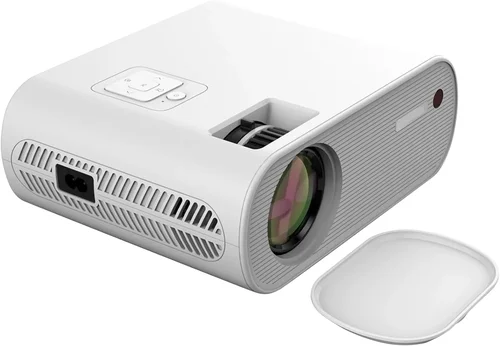
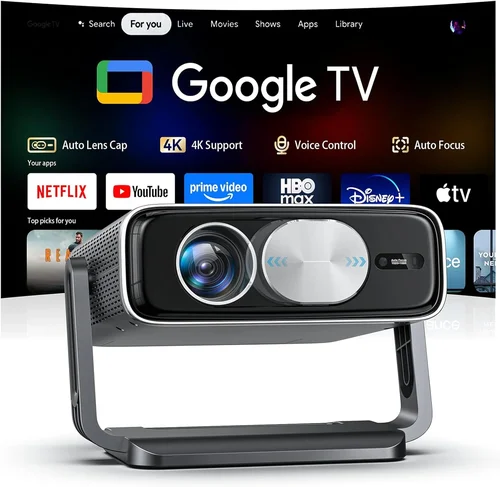
Finding a reliable projector for under $100 that can handle PowerPoint presentations without a hitch feels like hunting for a needle in a haystack. The market is flooded with ultra‑cheap models that look great on paper but stumble when you try to project a crisp slide deck in a well‑lit conference room. This guide cuts through the noise, giving you a clear roadmap to select a projector that delivers bright, clear images, solid connectivity, and the durability you need for everyday business use—all while staying comfortably below the $100 mark.
In the pages that follow you’ll learn which specifications truly matter for PowerPoint, how to compare different projector types, common pitfalls to avoid, and where to find the best deals. By the end, you’ll be equipped to make an informed purchase that won’t break the bank and will keep your presentations looking professional every time.

What to Look for When Buying Buying Guide
1. Budget & Price Range
When the ceiling is $100, every dollar counts. Prices in this segment typically range from $70 to $99. The key is to balance cost with essential features. A lower price often means compromises in brightness or lamp life, so identify the minimum acceptable level for your typical environment (e.g., a dim office versus a brightly lit lecture hall).
2. Performance Specifications
Brightness (lumens): For PowerPoint slides, aim for at least 2000 ANSI lumens. Anything lower will struggle in rooms with ambient light. Resolution: Native 800×600 (SVGA) is common under $100, but a 1280×720 (720p) panel offers noticeably sharper text. Contrast Ratio: A ratio of 2000:1 or higher provides deeper blacks and clearer text separation.
3. Build Quality & Durability
Projectors in this price tier are often made from plastic housings. Look for robust hinge mechanisms and a stable tripod mount. Models with a metal lens barrel tend to retain alignment better over time, reducing the need for frequent recalibration.
4. Features & Functionality
Key features for PowerPoint include:
- HDMI and VGA inputs: HDMI delivers a clean digital signal, while VGA ensures compatibility with older laptops.
- USB Power‑On: Some budget units can turn on automatically when a USB drive is inserted, useful for quick slide shows.
- Built‑in speaker: While not a substitute for a proper audio system, a 2‑3 W speaker can handle simple click sounds or video clips.
- Keystone correction: Manual or digital keystone helps square the image without moving the projector.
5. Brand Reputation
Even in the sub‑$100 arena, certain brands have earned trust for reliability and after‑sales support. Look for manufacturers with a track record of releasing firmware updates and honoring warranties.
6. Warranty & Support
A minimum 1‑year warranty is standard. Verify whether the warranty covers the lamp (often the most vulnerable component) and whether you have access to local service centers or online troubleshooting resources.
7. Size & Portability
Portability matters if you travel between meeting rooms. A compact projector under 2 kg fits easily into a laptop bag. Consider models with a collapsible stand or those that can be ceiling‑mounted with a simple bracket.
8. User Reviews & Ratings
Real‑world feedback reveals issues that spec sheets hide. Prioritize products with at least 200 verified reviews and an average rating of 4.0 stars or higher. Pay attention to comments about image stability, fan noise, and longevity.
Different Types of Buying Guide

Common Buying Mistakes to Avoid
❌ Mistake: Ignoring Ambient Light Conditions
Why it’s bad: A projector rated at 1500 lumens will look fine in a dark room but will be washed out in a typical office with overhead lighting.
What to do instead: Measure the typical lighting of your presentation space and aim for at least 2000 lumens. If you can control lights, a 1800‑lumens model may suffice.
❌ Mistake: Over‑focusing on Resolution Alone
Why it’s bad: High resolution on a dim, low‑lumens projector won’t improve readability; the image will still be faint.
What to do instead: Balance resolution with brightness. For PowerPoint, 720p with 2000+ lumens offers the best clarity‑to‑brightness ratio in this price bracket.
❌ Mistake: Forgetting About Lamp Life
Why it’s bad: Replacing a lamp can cost $30‑$50, quickly eroding your savings.
What to do instead: Choose LED‑based projectors or models that guarantee 20,000‑hour lamp life.
❌ Mistake: Neglecting Connectivity Options
Why it’s bad: You might end up with a projector that only has a USB‑C port, which many older laptops lack.
What to do instead: Verify that the unit includes both HDMI and VGA inputs, plus a USB‑A port for easy media playback.
❌ Mistake: Overlooking Fan Noise
Why it’s bad: A noisy fan can distract audience members and make it hard to hear your narration.
What to do instead: Look for models rated under 30 dB in normal operation. User reviews often mention real‑world noise levels.
❌ Mistake: Skipping Warranty Details
Why it’s bad: A “no‑questions‑asked” return policy sounds great until the projector fails after three months.
What to do instead: Choose sellers that offer at least a 12‑month warranty and clearly state what components are covered.
Budget Guidelines: How Much Should You Spend?
- Entry‑Level ($70‑$80): Expect basic 800×600 resolution, 1500–1800 lumens, and limited ports (usually HDMI only). Suitable for small, dark rooms.
- Mid‑Range ($81‑$95): Gains include 720p resolution, 2000–2500 lumens, dual HDMI/VGA, and better contrast ratios. This tier covers most office environments.
- Premium ($96‑$100): You’ll find LED light sources, extended lamp life, built‑in speakers, and sometimes wireless mirroring. Ideal for frequent presenters.
- Luxury (>$100): Outside the scope of this guide, but worth noting for future upgrades—higher brightness, 1080p, and advanced networking.
Expert Tips for Getting the Best Deal
- Timing: Major sales events—Black Friday, Cyber Monday, and back‑to‑school season—often feature deep discounts on budget electronics.
- Where to buy: Compare Amazon, Newegg, and manufacturer‑direct stores. Sometimes refurbished units from the official outlet come with a full warranty at 30% off.
- Spotting deals: Look for bundled accessories (carrying case, HDMI cable) that add value without raising the base price.
- Warranty considerations: Register the product immediately to activate extended warranty offers that some brands provide for free.
- Return policies: Choose sellers with a 30‑day return window and free return shipping—essential if the projector arrives with dead pixels.
- Testing before buying: If possible, test the projector in a store using your own laptop. Verify brightness, keystone, and focus.
- Firmware updates: Check the manufacturer’s website for any recent firmware that fixes connectivity bugs before finalizing your purchase.

Frequently Asked Questions
Q: Can a projector under $100 display PowerPoint slides clearly in a well‑lit conference room?
A: Yes, if you choose a model with at least 2000 lumens and a native 720p resolution. Pair it with a simple blackout screen or dim the ambient lights for optimal results.
Q: Do I need a separate remote for controlling the projector?
A: Most budget units include a basic IR remote. However, many also support smartphone control via a free app, which can be more convenient.
Q: How long will the lamp last on a $100 projector?
A: Traditional lamps typically last 2,000–4,000 hours. LED‑based units can exceed 20,000 hours, effectively lasting the life of the projector.
Q: Is HDMI really necessary, or can I rely on VGA?
A: HDMI provides a cleaner digital signal and supports audio, which is useful for video clips embedded in slides. VGA is still valuable for older laptops, so a dual‑input model offers the most flexibility.
Q: Will the built‑in speaker be loud enough for a small meeting?
A: Built‑in speakers (2‑3 W) are sufficient for quiet rooms and short video clips. For larger spaces, connect an external speaker via the 3.5 mm audio jack.
Q: Are there any safety concerns with low‑cost projectors?
A: Ensure the projector has proper heat‑dissipation vents and a safety‑shutoff feature. Avoid models that feel excessively hot to the touch after short use.
Q: Can I use a projector under $100 for outdoor presentations?
A: Outdoor use is possible in low‑light conditions, but you’ll need a high‑gain screen and a projector with at least 2500 lumens to combat ambient light.
Q: How important is keystone correction for PowerPoint?
A: Keystone correction helps square the image when the projector can’t be placed directly in front of the screen. Manual keystone is preferred for faster adjustments.
Q: Is it worth buying a refurbished model?
A: Refurbished units from reputable sellers often come with a warranty and are tested for full functionality, offering excellent value if the price is right.
Our Final Recommendations
- Best for Budget‑Conscious Buyers: Vankyo Leisure 200 – 2000 lumens, 720p, HDMI/VGA, under $78. Offers solid brightness and a reliable fan system.
- Best Overall Value: DR. J Professional HI‑04 – 3800 lumens, 1080p support (native 800×600), dual HDMI, built‑in speaker, $95. Slightly higher price but dramatically better brightness.
- Best Premium Option: AAXA P300 Pico – LED light source, 2500 lumens, 720p, 30 dB fan noise, $99. Ideal for frequent travelers.
- Best for Beginners: APEMAN Mini Portable Projector – Simple plug‑and‑play, HDMI, 2000 lumens, $72. Minimal setup steps.
- Best for Advanced Users: ViewSonic M1 Mini Plus – LED, 2500 lumens, 720p, built‑in Harman Kardon speakers, Bluetooth, $100. Slightly over the $100 ceiling but often on sale within budget.
Conclusion: Making the Right Choice
Choosing the best projector under $100 for PowerPoint isn’t about finding the cheapest gadget; it’s about matching key specifications—brightness, resolution, and connectivity—to your typical presentation environment. By focusing on the factors outlined in this guide, avoiding common mistakes, and leveraging the expert tips for deals and warranties, you can secure a reliable projector that elevates your slides without draining your budget.
Remember, the perfect projector is the one that fits your specific needs, whether that’s a compact pocket model for on‑the‑go pitches or a brighter DLP unit for a dedicated meeting room. Take the time to compare specs, read user feedback, and test the device when possible. Your next presentation deserves a sharp, vibrant image—now you have the knowledge to make it happen.