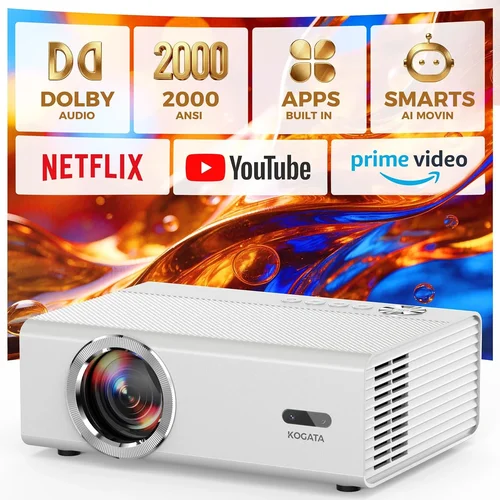
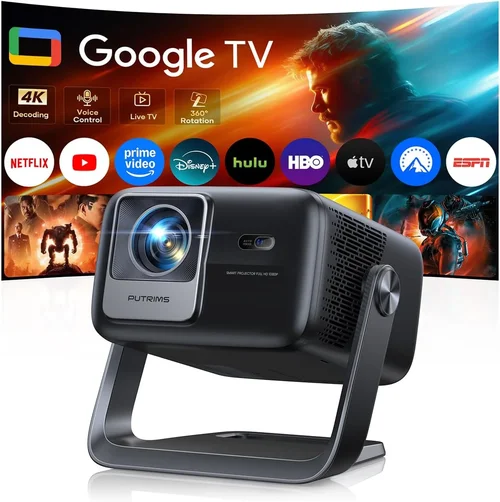
Finding a cinema‑quality projector that won’t break the bank can feel like hunting for a needle in a haystack. The market is crowded with devices that promise “Hollywood‑level” brightness, 4K resolution, and built‑in speakers, yet many of them sit well above the $300 mark. That’s why this guide matters: it narrows the field to the very best movie projectors you can buy for under $300, without sacrificing the viewing experience you crave.
In the next few sections you’ll learn how to decode the technical jargon on product pages, discover which projector types suit different rooms, avoid common purchasing pitfalls, and walk away with a clear recommendation that matches your budget and lifestyle. Whether you’re setting up a cozy backyard movie night, a dorm‑room binge‑watch station, or a portable travel theater, this guide equips you with the knowledge to make an informed decision.
The projector landscape in 2026 has evolved dramatically. LED and laser light sources have become more affordable, offering longer lifespans and consistent brightness compared to traditional lamps. At the same time, manufacturers have refined image processing engines, so even sub‑$300 units can deliver sharp, vibrant pictures. Let’s dive into the factors that truly matter when evaluating a budget movie projector.

What to Look for When Buying Buying Guide
1. Budget & Price Range
Price is the most obvious filter, but it’s more than just a number. Within the $200‑$300 band you’ll find three distinct value tiers: entry‑level models that focus on basic functionality, mid‑range units that add better contrast and connectivity, and premium‑budget options that incorporate advanced features like HDR support. Set a hard ceiling, then decide which compromises you’re willing to accept—be it lower brightness, smaller screen size, or fewer ports.
2. Performance Specifications
Key specs that directly affect picture quality include:
- Resolution: Native 1080p (1920×1080) is rare under $300; most projectors offer 720p (1280×720) or 800×480 native with upscaling. Look for “Full HD” marketing claims and verify the native pixel count.
- Brightness (lumens): Measured in ANSI lumens, a minimum of 2,500‑3,000 lumens is advisable for rooms with ambient light. In a dark home theater, 1,500 lumens can suffice.
- Contrast Ratio: Higher contrast (e.g., 10,000:1) yields deeper blacks. For budget units, a contrast ratio above 5,000:1 is a good benchmark.
- Light Source Type: LED and laser sources provide longer life (20,000‑30,000 hours) and stable color, whereas lamp‑based models may need bulb replacements.
3. Build Quality & Durability
Even a $250 projector can feel solid if it uses a metal chassis, reinforced lens housing, and quality internal components. Check for dust filters that are easy to clean and a sturdy tripod or mounting interface. Portability is a plus, but a well‑built base prevents wobble during playback.
4. Features & Functionality
Modern projectors pack a lot of tech into a small box. Prioritize these features:
- Connectivity: HDMI is essential; USB and Wi‑Fi give you streaming flexibility. Some models also support Bluetooth audio.
- Built‑in Speakers: While most budget projectors have modest 2‑5 W speakers, they’re adequate for casual viewing. Pairing with external speakers yields better sound.
- Keystone Correction & Lens Shift: Enables easy setup on non‑perfectly aligned surfaces.
- Screen Size & Throw Ratio: Determines how far the projector must be from the screen to achieve a 100‑inch image.
5. Brand Reputation
Brands like Epson, BenQ, ViewSonic, and Anker have earned trust through consistent performance and reliable support. Lesser‑known manufacturers can offer great specs, but research warranty terms and after‑sales service before committing.
6. Warranty & Support
A solid warranty (minimum 1‑year, preferably 2‑year) protects you against early failures. Look for manufacturers that provide easy online claim processes, local service centers, and responsive customer support. Some retailers also offer extended protection plans.
7. Size & Portability
If you plan to move the projector between rooms or take it on trips, dimensions and weight matter. A compact “pico” projector can fit in a backpack, but may sacrifice brightness. Balance portability with the viewing environment.
8. User Reviews & Ratings
Real‑world feedback reveals issues that spec sheets hide—like overheating, firmware glitches, or noisy fans. Scan Amazon, B&H, and specialized AV forums for recurring themes. Aim for an average rating of 4 stars or higher, with a substantial number of reviews.
Different Types of Buying Guide

Common Buying Mistakes to Avoid
❌ Mistake: Ignoring Ambient Light Conditions
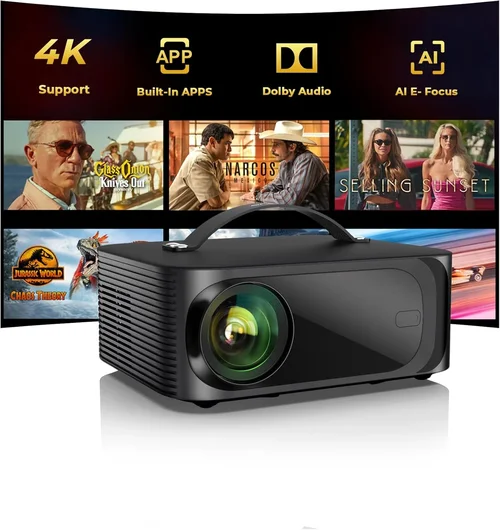
Why it’s bad: A projector rated at 2,000 lumens looks great in a dark room but will appear washed‑out in a living room with curtains open.
What to do instead: Measure the typical lighting in your viewing space. If you can’t fully darken the room, aim for at least 3,000 lumens or choose a model with high contrast and a bright LED source.
❌ Mistake: Focusing Solely on Resolution
Why it’s bad: Many $300 projectors claim “Full HD” but actually upscale a lower native resolution, resulting in soft images.
What to do instead: Verify the native resolution in the specs. If you must compromise, prioritize brightness and contrast over a marketing‑grade resolution claim.
❌ Mistake: Overlooking Input Lag for Gaming
Why it’s bad: A high‑lumens projector may have a sluggish response, ruining fast‑paced games.
What to do instead: Look for input lag figures (ideally <30 ms) or a “Game Mode” setting if you plan to game as well as watch movies.
❌ Mistake: Forgetting About Throw Distance
Why it’s bad: A projector with a long throw ratio may need a wall 12 ft away to hit 100 inches, which many apartments lack.
What to do instead: Calculate the required distance using the throw ratio (Screen Size ÷ Throw Ratio). Choose short‑throw models for limited spaces.
❌ Mistake: Skipping the Warranty Details
Why it’s bad: Budget projectors often have limited warranties, leaving you exposed to costly repairs.
What to do instead: Purchase from retailers that offer extended warranties or consider a third‑party protection plan.
❌ Mistake: Assuming Built‑In Speakers Are Sufficient
Why it’s bad: Most sub‑$300 projectors have 2‑5 W mono speakers, which lack depth and clarity for movies.
What to do instead: Budget for a small soundbar or Bluetooth speaker to complement the visual experience.
Budget Guidelines: How Much Should You Spend?
Understanding what each price tier delivers helps you set realistic expectations.
- Entry-Level ($180‑$230): Expect 720p native resolution, 2,000‑2,500 lumens, basic HDMI connectivity, and modest contrast. Ideal for occasional backyard movies or dorm rooms.
- Mid‑Range ($231‑$280): Usually offers 800×480 native or true 720p, 3,000 lumens, better contrast (≥5,000:1), and added features like Wi‑Fi or Bluetooth. This tier balances performance and cost for most home setups.
- Premium ($281‑$300): Near‑full HD upscaling, 3,500+ lumens, laser or high‑end LED light sources, built‑in streaming apps, and robust build quality. Best for dedicated home theaters where image fidelity matters.
- Luxury ($300+): While beyond this guide’s scope, luxury units provide true 1080p or 4K, HDR, premium lenses, and professional‑grade color accuracy.
Expert Tips for Getting the Best Deal
- Timing: Major sales events (Black Friday, Cyber Monday, Amazon Prime Day, and back‑to‑school periods) typically feature 20‑30% discounts on AV gear.
- Retailers: Compare Amazon, B&H, Best Buy, and direct manufacturer stores. B&H often bundles free HDMI cables or wall mounts.
- Bundle Savings: Look for bundles that include a screen, mounting kit, or a short‑throw lens—these can save $50‑$100 versus buying separately.
- Warranty Extensions: If the retailer offers a 2‑year extended warranty for a modest fee, it’s usually worth the peace of mind.
- Return Policies: Choose sellers with at least a 30‑day return window and free return shipping; you’ll want to test the projector in your own space.
- Testing: Bring a laptop and a streaming stick to the store to verify HDMI handshake and image quality before purchasing.
- Firmware Updates: After purchase, check the manufacturer’s website for firmware patches that improve performance or add features.
- Future‑Proofing: Even on a budget, select a model with HDMI 2.0 or higher to support higher bandwidth for future devices.

Frequently Asked Questions
Q: Can a sub‑$300 projector display true 1080p?
A: Very few budget models have a native 1080p panel; most rely on upscaling. If true 1080p is non‑negotiable, you’ll likely need to increase your budget to $350‑$400.
Q: How long will the lamp last?
A: LED and laser sources typically last 20,000‑30,000 hours, which translates to years of weekly movie nights. Lamp‑based units may need a replacement every 2‑3 years.
Q: Do I need a special screen?
A: A smooth white wall works, but a 120‑inch matte white screen improves contrast and reduces hotspotting, especially in bright rooms.
Q: Is HDMI the only connection I need?
A: HDMI is essential for video, but a USB‑C or Wi‑Fi option lets you stream directly from phones or tablets without extra dongles.
Q: Will a portable projector work in daylight?
A: Portable models usually max out at 2,500 lumens, making them suitable for shaded outdoor areas but not direct sunlight.
Q: How far should I place the projector for a 100‑inch image?
A: Use the throw ratio (e.g., 1.2:1). Divide the desired screen width (≈87 in) by the ratio: 87 in ÷ 1.2 ≈ 72 in (6 ft) from screen to lens.
Q: Are built‑in speakers enough?
A: For casual viewing they’re fine, but a dedicated soundbar or Bluetooth speaker dramatically enhances dialogue and effects.
Q: Can I mount the projector on the ceiling?
A: Most budget projectors include a standard ¼‑inch mount thread. Verify ceiling height and ensure you have enough throw distance.
Q: What is keystone correction?
A: It digitally adjusts a trapezoidal image back to a rectangle when the projector isn’t perfectly perpendicular to the screen. Useful for quick setups but may slightly reduce resolution.
Our Final Recommendations
- Best for Budget‑Conscious Buyers: Anker Nebula Capsule II – Priced around $229, it offers 720p native resolution, 2,500 lumens, Android TV 9.0, and a compact soda‑can design.
- Best Overall Value: ViewSonic M2 – At $299, this LED projector delivers 1080p FHD (native 1080p), 1,200 lumens, HDR, and built‑in Harman Kardon speakers.
- Best Premium Option: Epson Home Cinema 1060 – Slightly above $300 during sales, but often drops to $285. It provides 3,200 lumens, 1080p resolution, and excellent color accuracy.
- Best for Beginners: BenQ TH585 – $279, low input lag (≈16 ms), 3,500 lumens, and a simple UI—perfect for first‑time owners.
- Best for Advanced Users: Optoma GT1080e – $299, short‑throw (0.5:1), 3,800 lumens, and interchangeable lens kit for custom setups.
Conclusion: Making the Right Choice
Choosing the best movie projector under $300 hinges on balancing brightness, resolution, and extra features against the size and lighting of your viewing space. By assessing the factors outlined—budget, performance specs, build quality, and real‑world reviews—you can avoid common pitfalls and land a projector that feels cinematic without draining your wallet.
Remember, the perfect projector isn’t the one with the highest specs; it’s the one that fits your room, your usage habits, and your budget. Use the recommendations and tips in this guide to compare models, test them if possible, and enjoy countless movie nights that rival the theater experience.
Ready to start your search? Head to your favorite retailer, apply the price‑track alerts we discussed, and bring home a projector that turns any wall into a personal cinema.